

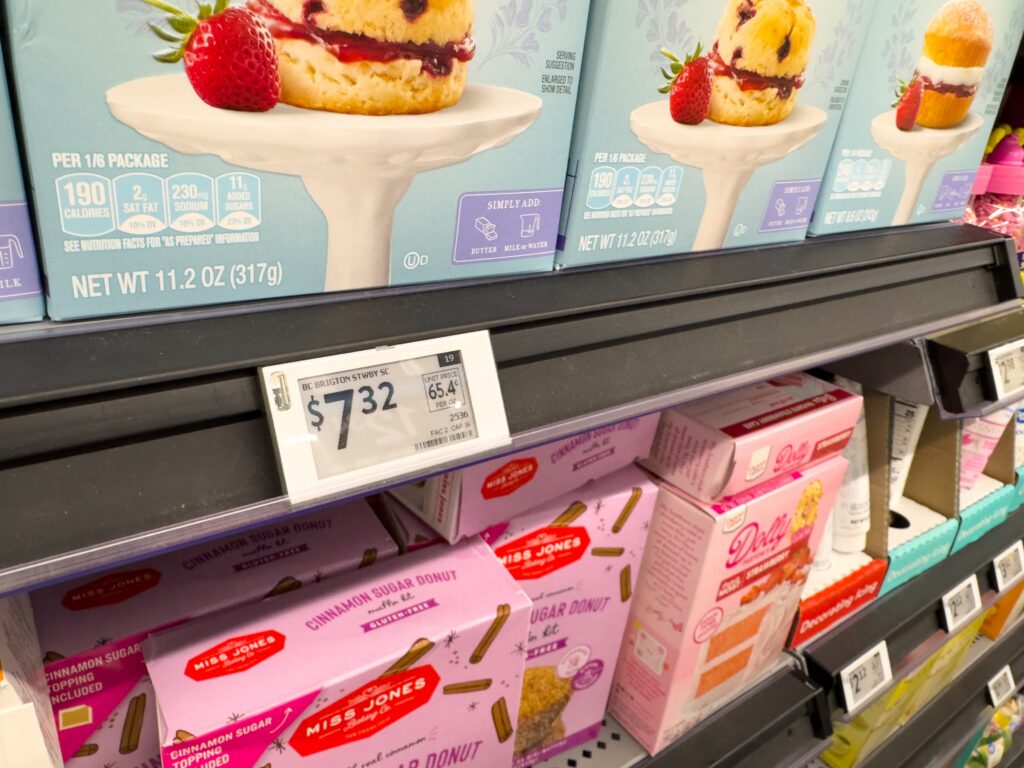

It sounds like something out of an Orwell novel, but it’s already in the works. Major retailers are racing to replace traditional paper price tags with electronic shelf labels—digital price displays that can update instantaneously. Some have already filed patents to use shoppers’ personal data to set those prices on an individual basis. New Jersey wants to stop it before it starts.
A new poll of 600 registered New Jersey voters, conducted by GBAO Strategies on behalf of the United Food and Commercial Workers union from April 13-17, found that 65% of Garden State voters support proposed legislation to ban electronic shelf labels and so-called “surveillance pricing” from grocery stores. The bill is being led by Sen. Joseph Cryan and Assemblyman Chigozie Onyema.
Polling found overwhelming support for the measure, and it cuts across party lines—73% of Democrats, 66% of independents, and 55% of Republicans.
What Voters Are Worried About
The poll reveals deep anxiety about where this technology is heading.
84% of New Jersey voters believe stores would use dynamic pricing to raise prices during emergencies or demand spikes. 75% think it would lead to price-fixing with competitors. 73% believe stores would actually charge higher prices to customers they think can afford to pay more.
By contrast, only 39% believe the technology would ever be used to lower prices during off-peak times. Voters see far more risk than reward.
The distrust runs deep: 67% of respondents said they do not trust grocery stores to use the technology responsibly. 52% said they would be less likely to shop at a store that uses the technology—compared to just 4% who said they’d be more likely.
Why This Is Happening Now
The urgency is real.
Walmart—the nation’s largest retailer—has announced plans to replace paper tags with digital ones across all of its stores by the end of 2026. The company recently secured patents to use shoppers’ personal data to update prices at scale. New Jersey’s push is part of a broader national movement, with 12 states now taking aim at AI-driven retail pricing.
The timing couldn’t be worse for consumers already stretched thin. 73% of New Jersey voters said they’re worried about the cost of groceries for their household, and 70% expect their grocery spending to increase over the next year.
The idea of stores being able to charge more on a whim is not sitting well with voters—and New Jersey lawmakers are hearing it.

The New Jersey Digest is a new jersey magazine that has chronicled daily life in the Garden State for over 10 years.