

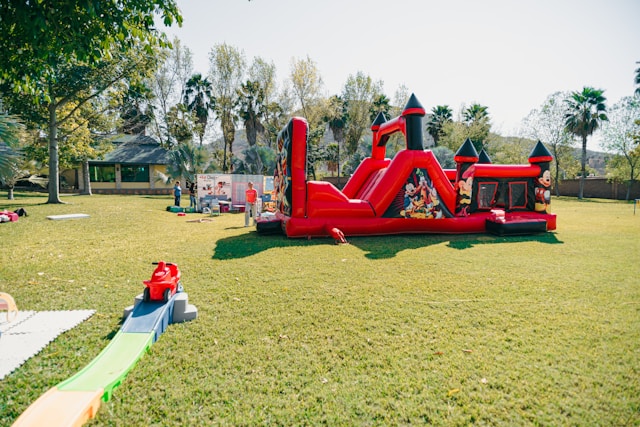
Understanding Common Risks With Inflatable Bounce Houses
Inflatable bounce houses have become a staple at festivals, block parties, and school gatherings throughout the United States. Their colorful designs and energetic atmosphere invite children to play, but event organizers must be aware of certain risks that accompany these popular attractions. Falls at the entrance and exit are frequent, especially if children jump in hurriedly or lose their footing while leaving the inflatable. Collisions can easily occur, particularly when children of various ages and sizes play together.
Tripping hazards from loose cords or improperly anchored components are another point of concern. Additionally, weather plays a critical role—strong winds can destabilize a bounce house that’s not securely fastened, leading to potential injuries. Organizers also need to pay attention to the setup location, avoiding uneven terrain, overhanging branches, or areas near traffic, as each increases the likelihood of accidents. Finally, respecting recommended age and weight limits is crucial for maintaining the structural integrity of the unit and minimizing overcrowding. Recognizing these common risks allows communities to proactively design safer and more enjoyable events for everyone involved.
Choosing A Reputable Rental Provider
Many safety concerns can be mitigated right from the start through thoughtful selection of a rental provider. Event planners are encouraged to rent from companies that transparently address their cleaning, maintenance, and inspection routines. Reliable providers are prepared to show documentation that affirms compliance with safety guidelines and relevant local regulations, which often dictate how equipment may be used and what form of supervision is required.
It helps to inquire about the training of the delivery and setup staff, particularly regarding correct procedures for anchoring and maintaining air pressure. Some providers go beyond basic safety measures to offer tailored advice for specific types of events, whether for school, church, or municipal occasions. Finding a partner that not only rents equipment but also offers expertise on setup and usage can give organizers confidence when welcoming guests. Those looking for a dependable supplier may consider resources like Got Inflatables, which emphasizes professional standards and offers tailored recommendations for community gatherings.
Site Selection, Setup, And Supervision
Location selection is a foundational step in setting up an inflatable bounce house safely. The area should be flat, clear of debris, and positioned away from overhead obstacles or nearby structures. There must be ample room on every side for children to enter and exit comfortably, and to prevent collisions with hard surfaces.
During installation, it is vital for the provider or organizing team to follow manufacturer guidelines for anchoring, whether using stakes, sandbags, or secured lines. Power cords and blowers should be arranged to prevent tripping and to keep emergency routes accessible. Diligent supervision is equally critical; for the duration of the event, adults should continuously monitor play, enforce capacity limits, ensure rules are followed, and watch for any changes in weather. This ongoing vigilance is what transforms safety plans from intention to real protection.
Age Limits, Rules, And Emergency Planning
Establishing and communicating clear rules helps to create a safer environment for all ages. Organizers should enforce designated times or different inflatables for children of various age groups, reducing the risk of injuries caused by size and activity discrepancies. Posting simple instructions such as no roughhousing, no shoes, and no food or drinks within the structure helps minimize falls and accidental collisions. Even with posted rules, verbal reminders from staff and volunteers are effective, especially during busy moments when signage may go unnoticed.
Emergency preparedness forms another layer of protection. Supervisors must know what steps to follow if a child becomes injured or distressed, or if a sudden storm necessitates the rapid deflation of the bounce house. This planning includes mapping out emergency access points, establishing a meeting place for parents and children, and pausing the activity if conditions become unsafe. Viewing these protocols as part of the overall event design supports both fun and well-being, delivering an experience that prioritizes community safety alongside entertainment.

The New Jersey Digest is a new jersey magazine that has chronicled daily life in the Garden State for over 10 years.
