

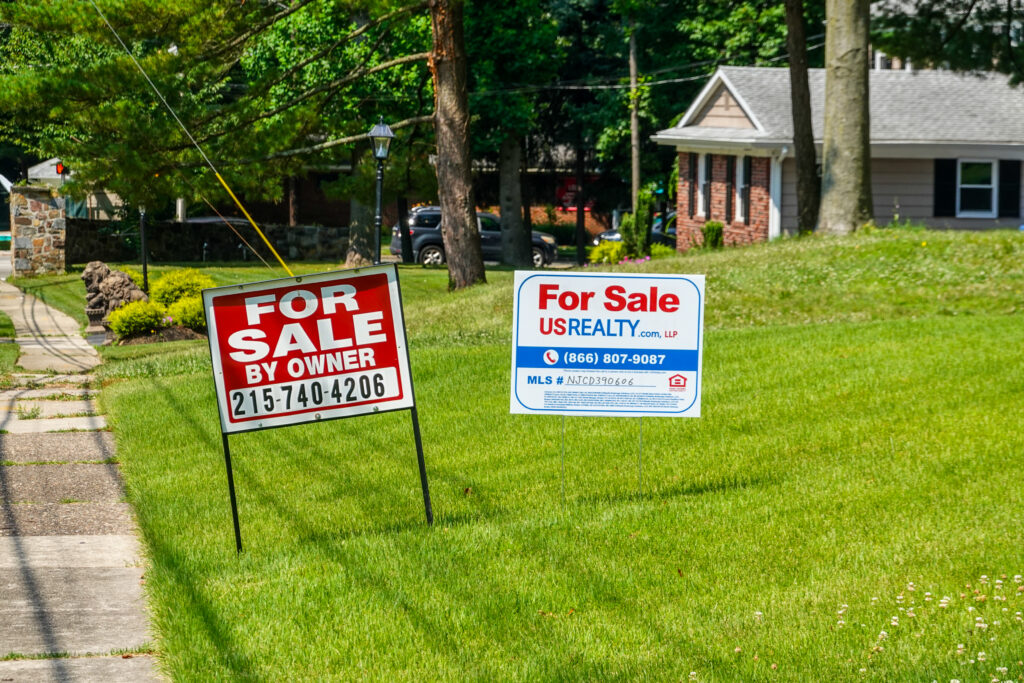

The heirs of a Gloucester County home discovered something terrifying: their late father’s house was sold for just $1, then rented out to tenants who had no idea they were living in a stolen home. It’s a practice known as deed fraud, and New Jersey is near the top in the country for the crime.
Now, a state watchdog is urging lawmakers to move on what is a growing criminal network of real estate scams.
According to a report conducted by the NJ State Commission of Investigation (SCI), and sent to Governor Mikie Sherrill, New Jersey reported 135 incidents of deed theft between January 2020 and March 2026, concentrated within Sussex, Bergen, Cape May, and Ocean Counties.
But the numbers tell just a part of the story. SCI alleges the 135 figure undersells the problem— many victims of deed fraud never report the crime due to embarrassment, cases get handled as civil disputes and aren’t reported, or the fraud isn’t discovered until years later. Other times, the crime is stopped before any deed is recorded.
The real number could be two to five times higher than reported.
How Deed Fraud Works
In New Jersey, deed fraud has snowballed from a simple crime into a vast network of real estate fraud, trailing only Florida in sheer numbers, according to NJ Spotlight News. But how exactly does it work?
It begins with identity theft. Fraudsters gather public info about a property and impersonate the owner. Not every property is a good target for fraud—perpetrators typically look for vacant land, second homes, vacation homes, estates, rental properties, elderly-owned homes, or homes with absentee owners, according to New Jersey Globe.
SCI also identifies common red flags in the schemes. Properties are typically listed below market value, insist on remote closing, use a VOIP phone number, and demand funds wired to an account that doesn’t match the seller’s ID.
The explosion of deed fraud lines up with the beginning of the covid-19 pandemic, which saw an increase in remote closings—making real estate theft easier than ever before.
This has taken many forms in New Jersey. In Hunterdon County, an elderly couple discovered their own wooded lot listed on Zillow, according to New Jersey Monitor. In Middlesex County, a landowner found his vacant lot had been sold when he attempted to pay his property taxes. In Warren County, a buyer purchased property for $60,000 only to meet the true owner in person when they arrived. And the property theft is just the tip of the iceberg—victims become inundated with legal fees and process, which could take years to resolve. A Jersey City case took six years to close, according to NJ Spotlight News.
Current Protections Don’t Go Far Enough
19 of 21 New Jersey counties have some form of property-alert system. These alerts help owners discover fraud after the fact. Hunterdon and Warren Counties—which have seen several cases—notably do not provide these alerts. While the alerts are useful, they do not prevent deed fraud from being recorded in the first place.
Under current law, county clerks are required to record documents when a property is listed; however, they aren’t authorized to investigate whether the signer is the true owner—this leaves victims to file what’s known as a quiet title lawsuit to undo the fraud. During this process—which can take years—the scammers can try to resell or mortgage the property to an unsuspecting third party.
To prevent this, the SCI recommends several solutions:
- Stricter identity verification for real estate agents, notaries, and attorneys involved in property transfers
- Voluntary title freezes (opt-in protection, similar in spirit to a credit freeze)
- Thumbprint requirements for real estate document signers, in addition to signatures
- Centralized electronic notary logs and alerts for potential misuse of notary credentials
- Expedited court proceedings to help victims recover property faster
- Several related bills are already pending in the Legislature (covering things like affidavits of title, LLC ownership disclosure, and statewide property-alert standards), but the SCI says none of them alone is sufficient without a coordinated approach
What Homeowners Should Do
The good news is that general awareness of how the crime works is half the battle. Property owners should check whether their county offers property-alert services to ensure potential fraud is caught early. Owners of vacant lots, second homes, or rental properties should pay extra close attention. If any of your elderly family members own property, it might be worth the extra vigilance of keeping an eye on the address—search real estate sites and make sure property taxes are up to date.
In any instance, acting quickly is the quickest defense against deed fraud.
When it comes to state officials, SCI perhaps puts it best in their report: “The failure to act inevitably will lead to more harm for defrauded New Jersey property owners.”

Lifelong Jersey resident and Rutgers and FDU alumnus, Tom La Vecchia is publisher of New Jersey Digest, one of the state’s leading lifestyle media brands. When he’s not growing the Digest, he’s raising four kids, wrangling four cats and pretending it’s all under control. His mission: keep Jersey interesting and impossible to ignore.
