

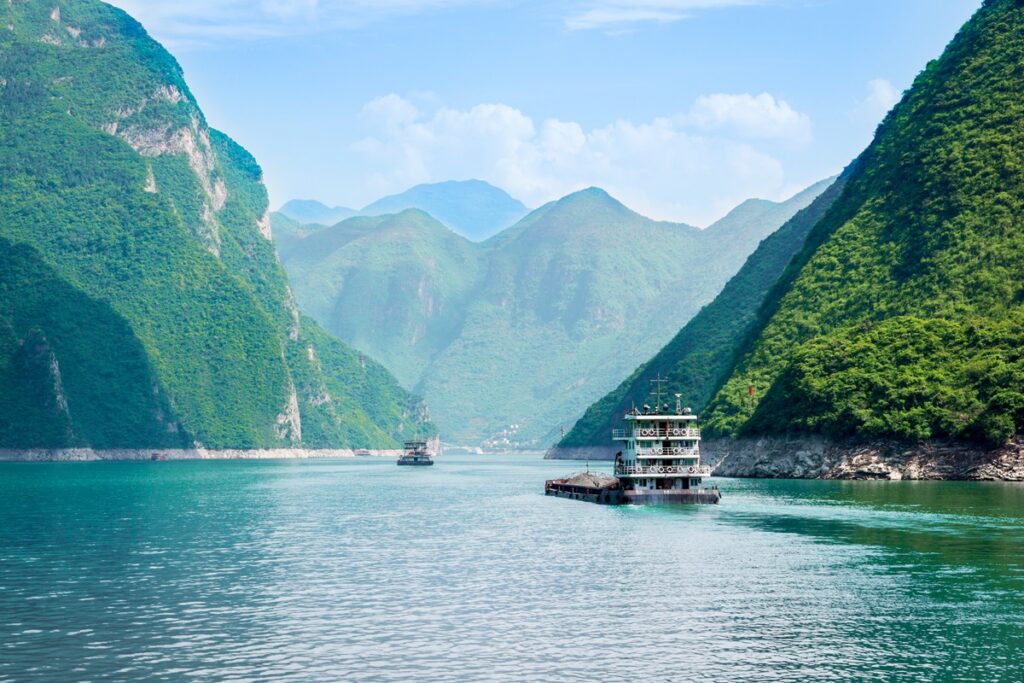

There is a version of China that most American travelers never see. The country’s interior, the part that moves at river speed, where limestone cliffs drop straight to the water and the scale of things stops registering as normal scenery. Century Cruises has been taking people there since the early 1990s. Now with five different ships on the Yangtze—the Century Legend, Century Victory, Century Oasis, Century Voyage, and the incoming Century Vision—the company sees over 300,000 guests a year and has since expanded to Europe’s Rhine and Danube aboard the Century Star and Egypt’s Nile aboard the all-suite M/S Terramar. The Yangtze was first, but for travelers looking to try something new, it’s still worth starting there.
Let me be blunt: most people who should book this trip haven’t booked it yet. They’ve done Paris. They’ve done Los Cabos for the fifth time. They’ve even done the cruise where you see seven countries in nine days and come home with a lanyard and a vague memory of a cathedral. The Yangtze doesn’t fit in that category, and that’s the point.
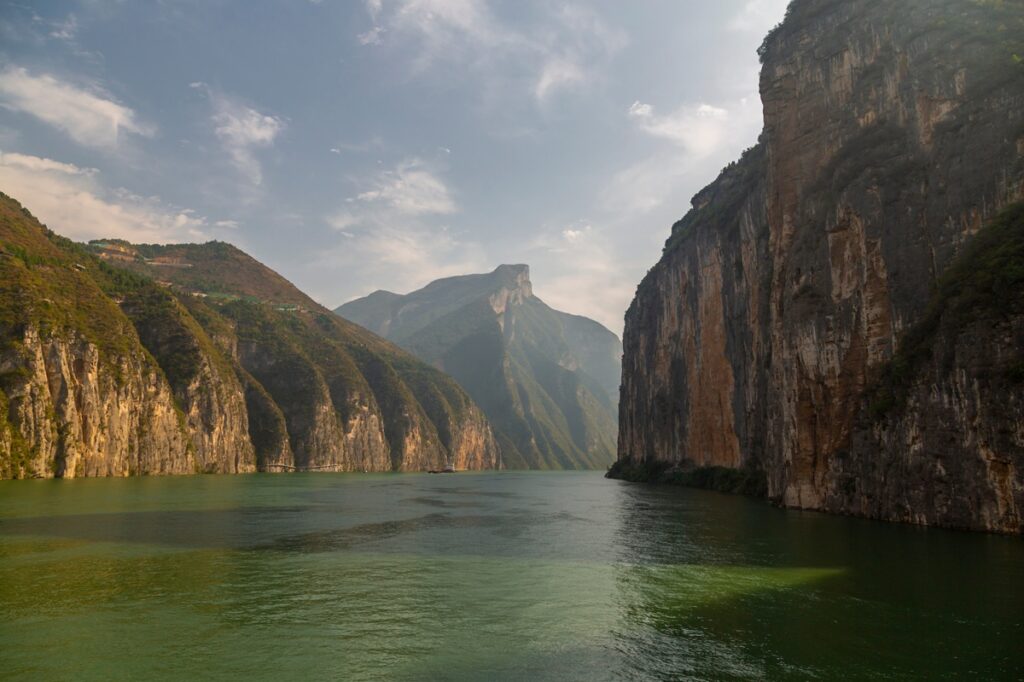
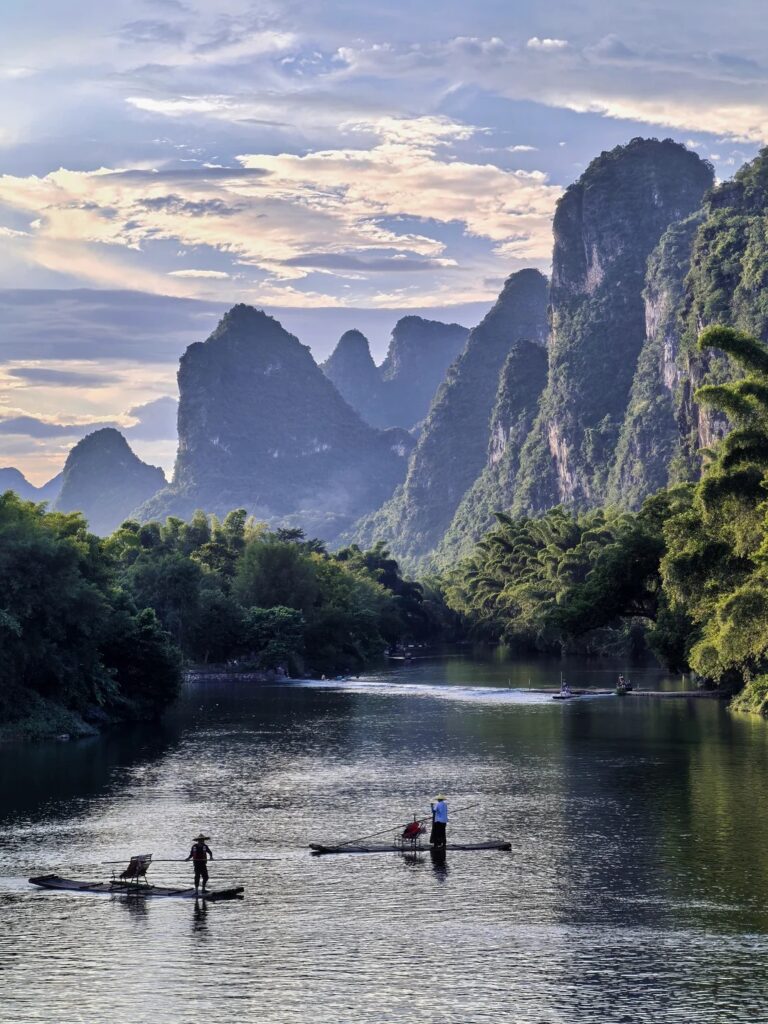
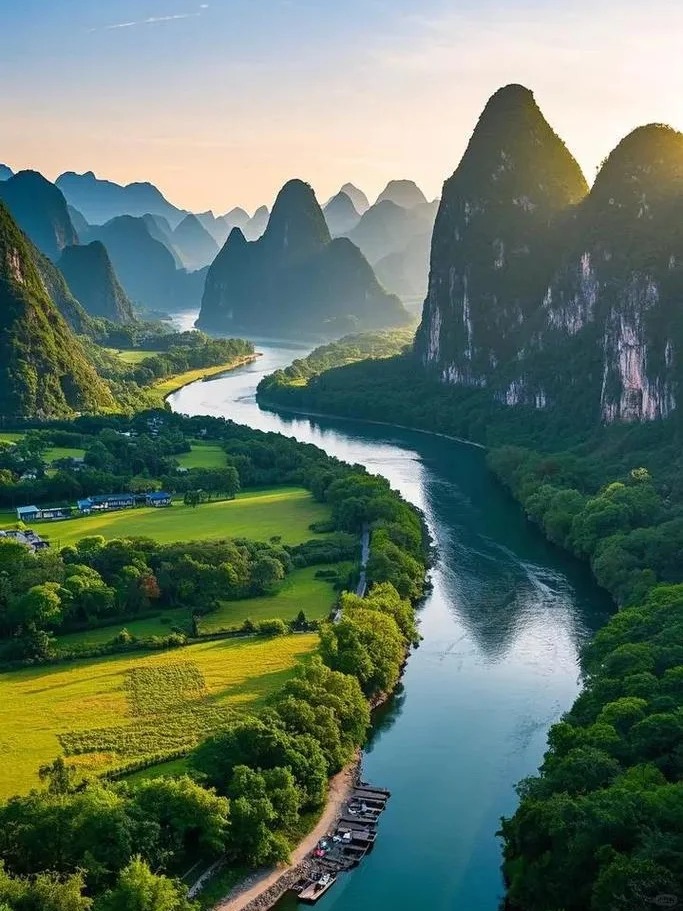
The Yangtze’s most famous stretch runs through three gorges cut into the mountains of central China, the Qutang, the Wu, and the Xiling. Limestone walls dropping hundreds of meters straight to the water on both sides of the ship, close enough that your phone’s camera cannot establish a frame that makes sense of the scale. You will take forty photographs anyway. You will look at them on the flight home and they will look like a screensaver. The gorges are one of the genuinely few places on earth where being there is not transferable to any other format, and the only way to see them properly is from a chair on a private balcony while the ship moves through them slowly enough that you can sit with it.
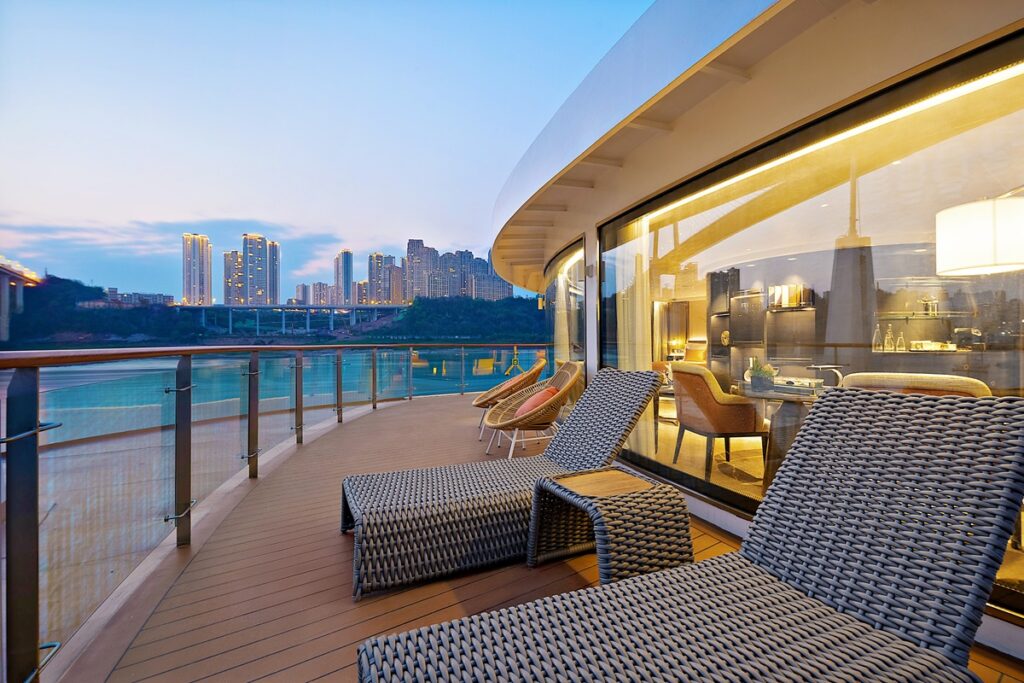
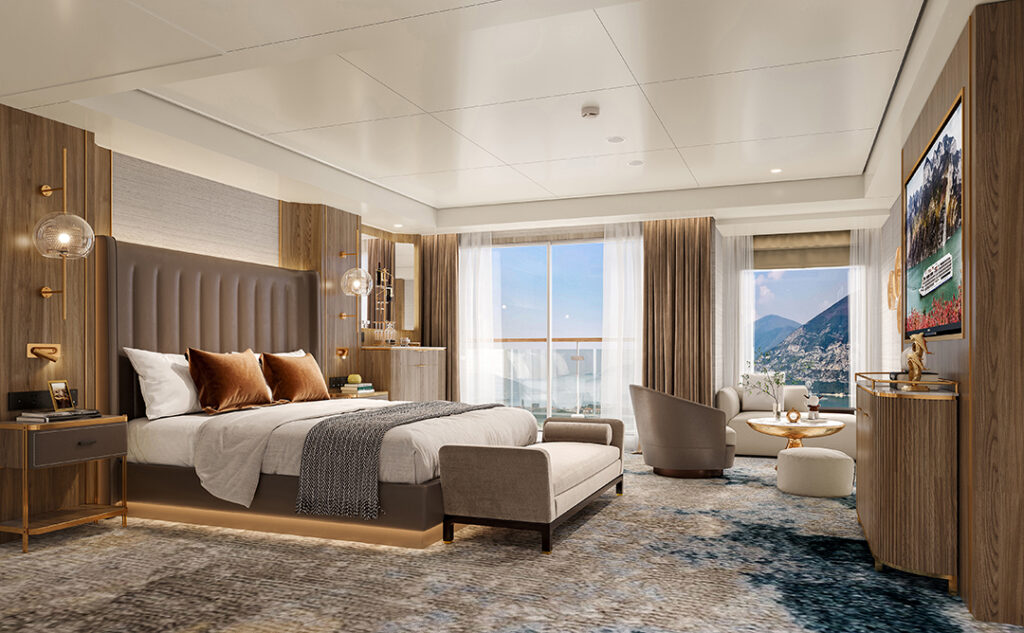
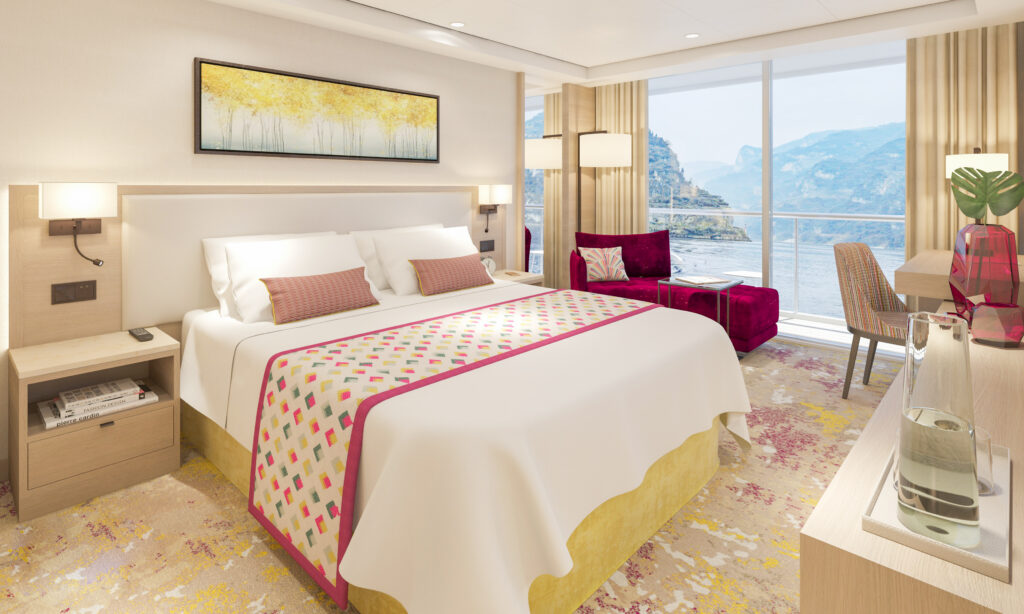
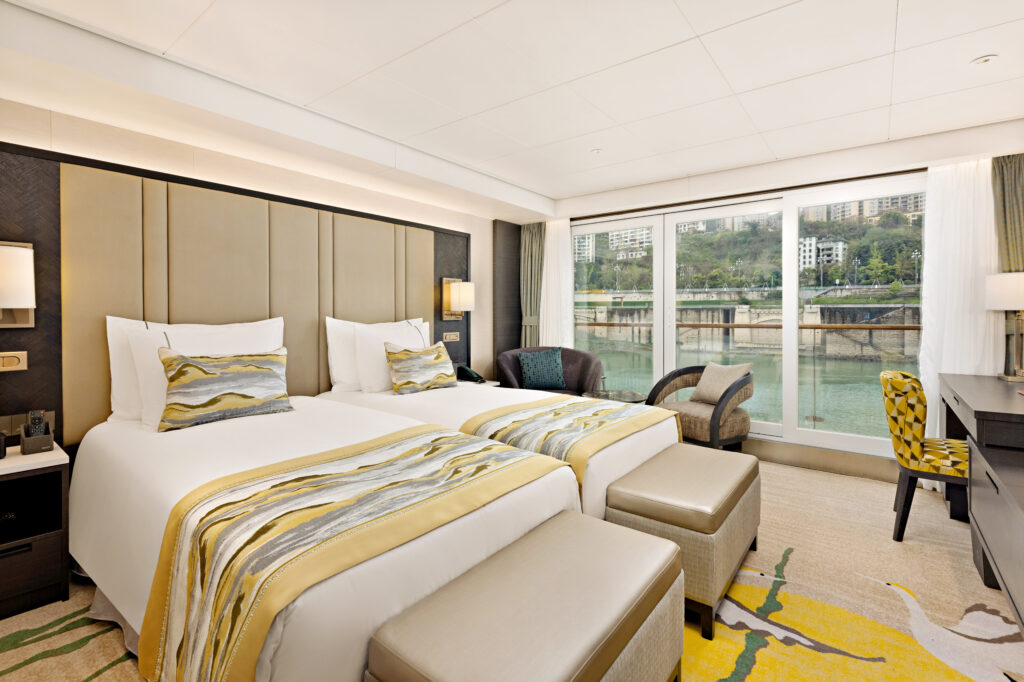
Century Cruises designs its own ships, runs its own operations, handles its own food and hospitality, all under one roof, no contractors working separate agendas inside the same hull. After thirty years that shows up in the specifics. Deluxe cabins run 26 to 28 square meters with balconies and floor-to-ceiling doors that fold completely open, no threshold between the room and the outside air. The company says these are among the largest standard cabins on the river. The more relevant fact is that the balcony fits actual furniture, a chair you can stay in for three hours, because three hours is how long the Wu gorge takes and you’re going to want to be out there for all of it.
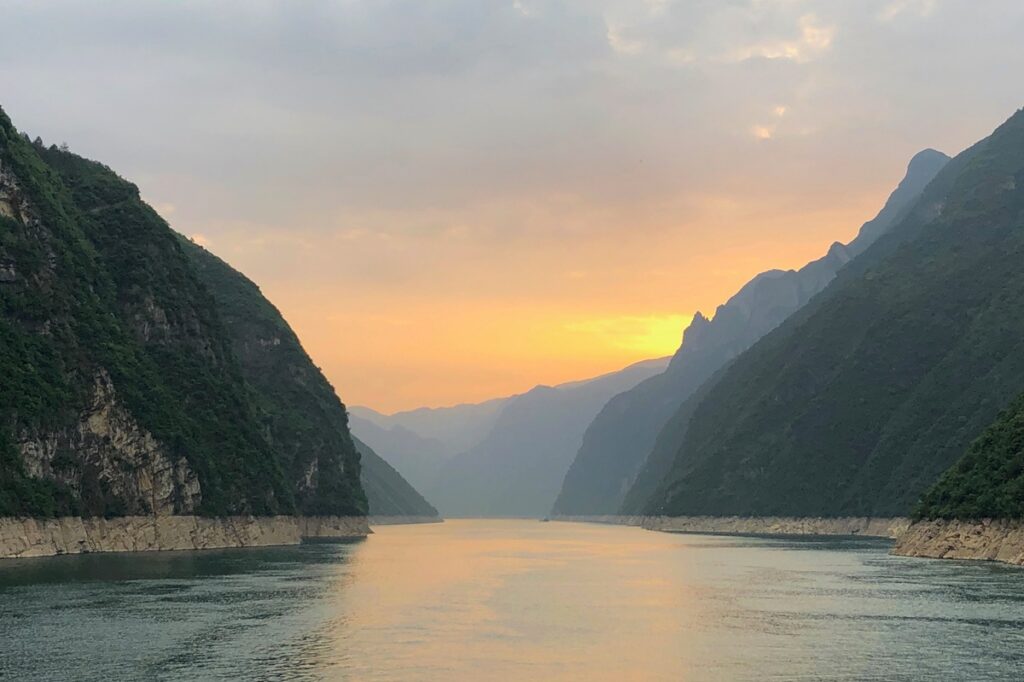
The Wu is the middle gorge and the longest. It follows the Qutang, which is short and almost violent in how fast it closes around the ship, walls coming in on both sides until the scale stops registering as geography and becomes something more atmospheric. The Wu is different. It keeps going past the point where you expect it to end and then keeps going more. Some people read during the Wu gorge. That’s a personal choice and the balcony fits them too. The Xiling comes after, wider, the walls stepping back, the river exhaling into something that feels different from everything before it. Three gorges, three entirely distinct experiences. The people who try to do this trip in three nights and see them all from the sun deck get a version of it. The balcony is the real version.
The Presidential Suites push 85 to 106 square meters with bow balconies and butler service. Bow means you’re at the front of the ship watching what’s coming before anyone else on board can see it. You’re either someone who cares about that or you’re not. VIP inclusions beyond the butler aren’t fully detailed in public materials so if that affects your math, call them.
The Food
The main dining room, the Globe, rotates its menu across the sailing. Chinese regional dishes alongside Western options, seasonal ingredients that shift as the ship moves through different stretches of the river. On a twelve-night trip the rotation is the difference between a dining room that stays alive through the end and one that turns into a cafeteria around day five. The Pavilion is a separate room for VIP guests, its own entrance, the executive chef running his own menu. Not a nicer section of the same room. A different room. It reads quieter and more focused and the distinction matters more than it sounds like it does.
The one nobody tells you about is the Open Kitchen, which runs until midnight with no reservation required. Hot food, noodle bowls, whatever’s going. By the middle of a longer sailing it develops its own gravitational pull. People end up there after the evening show not because they’re still hungry but because it’s warm and the river is right outside and midnight on the Yangtze has a quality to it that nobody thinks to mention when they’re selling you the trip. It’s the only thing on a boat in central China that functions like a diner, and New Jersey readers know exactly why that matters at midnight. Wine and beer come unlimited with main meals throughout, selected labels.
Life Onboard
River cruising is slower than you’re used to if you frequent Caribbean type cruises. The spa onboard does massage and body treatments with an acupressure focus if that’s your jam. The sun decks face the water. There are modern fitness centers for anyone who won’t negotiate on that point even across a dateline. From the top deck to the bottom, there’s everything from Tai Chi lessons and lectures on Chinese history to painting classes and Mahjong (a traditional Chinese game). As you move through the gorge, they’re all worth checking out (or waking up early for).
The tea ceremony workshops actually go somewhere. History, regional variation, why the same leaf brewed at different temperatures produces something almost unrecognizable from one cup to the next. Not the ten-minute orientation version that runs out of material. Cultural lectures run before each shore stop, and on a river this old and this layered, that context is the difference between understanding what you’re standing in front of and just walking past it with a camera.
Going Ashore
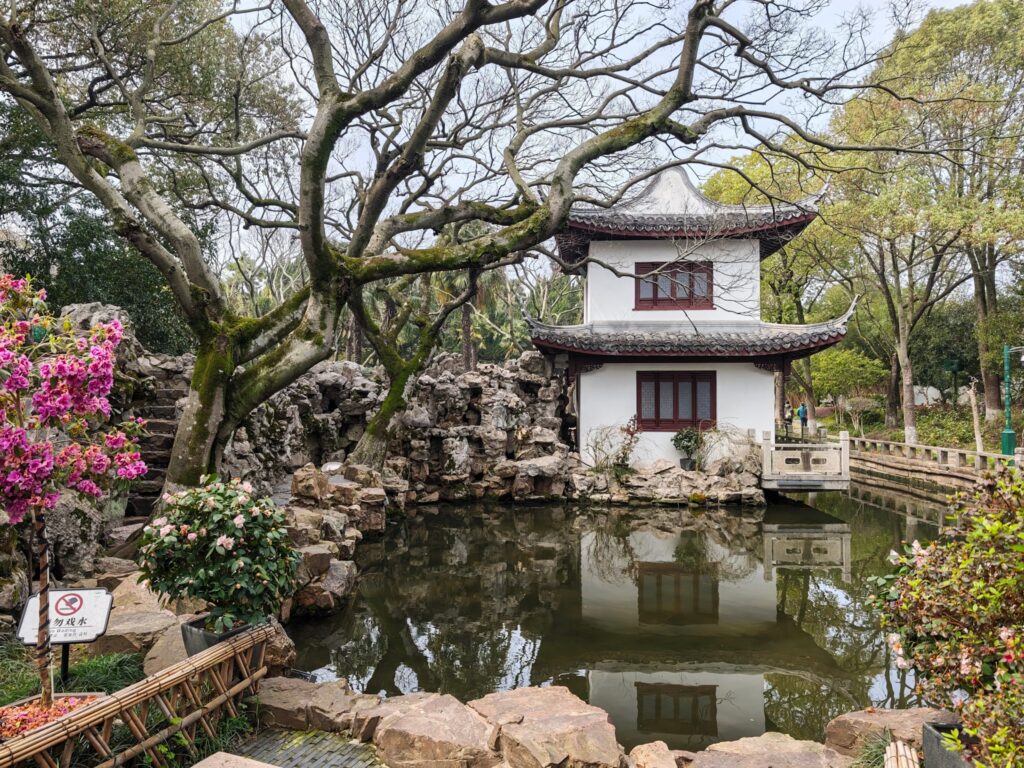
Shore excursions go out in small groups with local guides to places that don’t make the condensed group tour version of China. Ancient temples, river towns that have been working ports since before any current government existed, stone paths worn down by centuries of foot traffic going the same direction, the center of each step visibly lower than the edges. You are somewhere in a very long line of people and the path has the records to prove it.
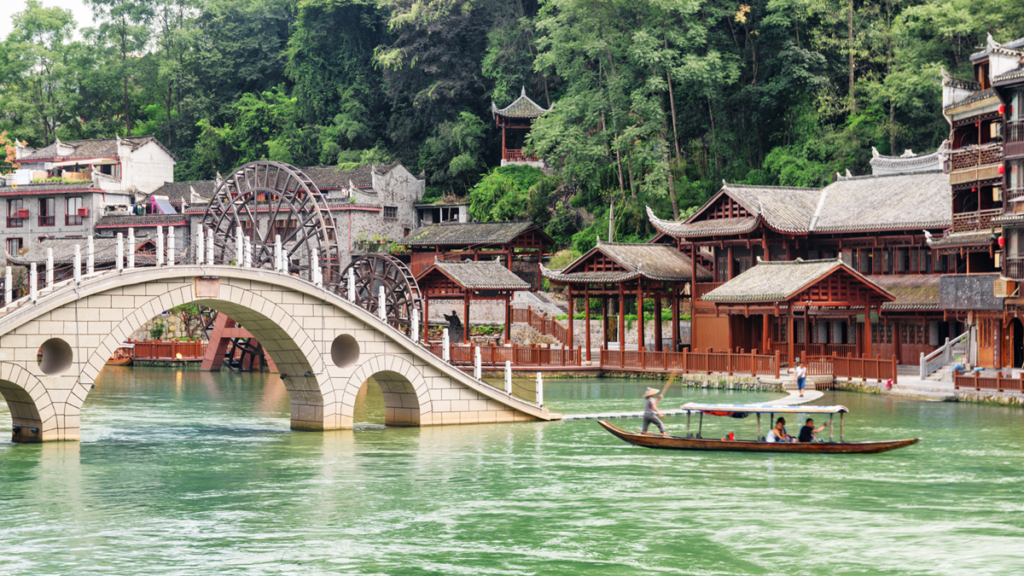
As you walk through on-shore excursions, the part that surprises most people, is that by the middle of the sailing, coming back to the ship feels like coming home, not in the way that cliche travel writers say that about every hotel with good pillows, but in the way that something has quietly gotten comfortable around you while you weren’t paying attention.
The Evenings on Deck
The Century Grand Theatre runs live performances and nightly cabaret in a room that’s actually designed as a theater, wide reclining seats, proper sightlines, not a lounge with chairs rearranged around a temporary stage. The Captain’s Welcome Party falls early in the sailing when everyone is still figuring out who they’re sharing the boat with. None of it is mandatory, which sounds like a small thing until you’ve been on a ship that makes you feel the social weight of skipping events.
Getting There and Planning the Trip
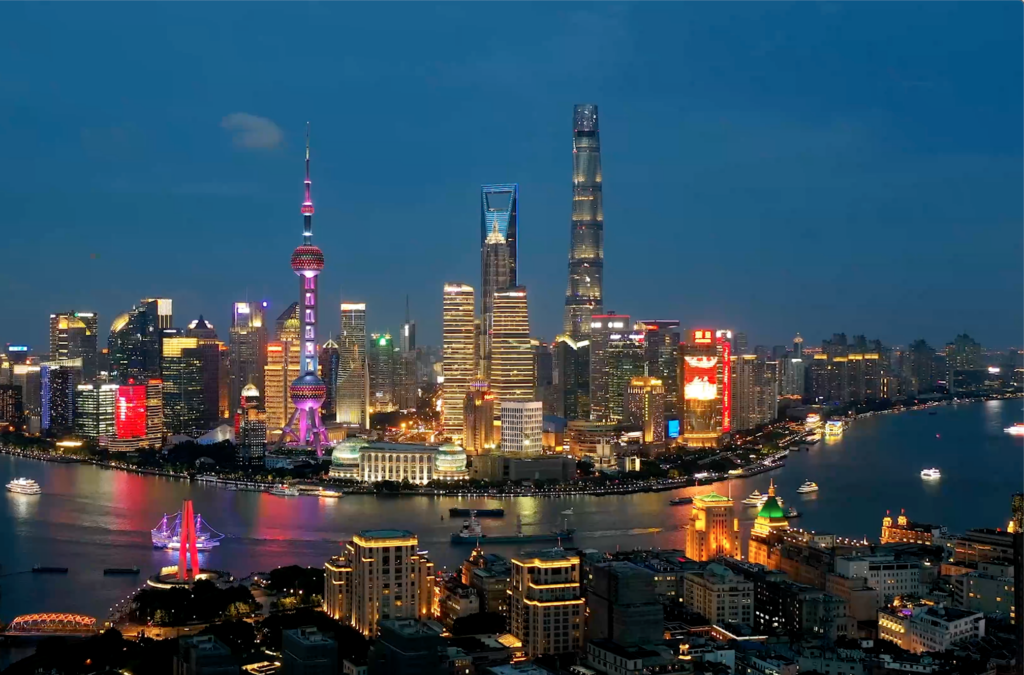
The short Yangtze sailing runs Chongqing to Yichang through the gorges, three or four nights. Longer sailings push east to Shanghai. Century also builds the river into broader China itineraries: 12 days Beijing to Shanghai, and three options with international flights bundled in, 16 days Beijing to Tokyo, 17 days Beijing to Hong Kong, 15 days Beijing to Ho Chi Minh City. For a first trip to China where you want the Yangtze without building every piece of the logistics from scratch, those packages are worth looking at if you’re considering.
The Century Star also runs Europe’s Rhine and Danube as a hybrid eco-luxury vessel, with suites boasting floor-to-ceiling windows that retract completely. The M/S Terramar works Egypt’s Nile, all-suite, Deluxe at 30 square meters and Royal at 42, built around privacy and a pace that gives you room to think.


Lifelong Jersey resident and Rutgers and FDU alumnus, Tom La Vecchia is publisher of New Jersey Digest, one of the state’s leading lifestyle media brands. When he’s not growing the Digest, he’s raising four kids, wrangling four cats and pretending it’s all under control. His mission: keep Jersey interesting and impossible to ignore.
