

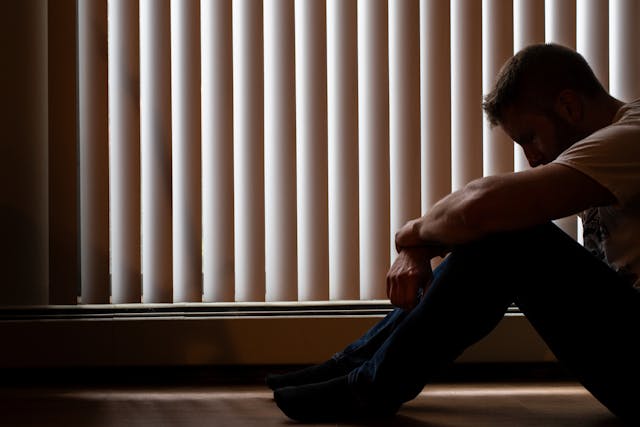

Finding effective treatment for treatment resistant depression represents one of modern psychiatry’s greatest challenges. Someone has tried multiple antidepressants without meaningful improvement. Standard therapy hasn’t helped. At this point, they need specialized approaches. Understanding what options exist offers hope when standard treatment has failed.
Treatment resistant depression affects approximately one-third of people with depression. These individuals experience profound suffering when conventional approaches don’t work. Fortunately, treatment for treatment resistant depression extends far beyond standard medications and therapy.
This article explores evidence-based approaches for treatment for treatment resistant depression, what causes this presentation, and practical options available.
Understanding Treatment Resistant Depression
What Defines Treatment Resistant Depression
Treatment resistent depression describes depression inadequately responding to standard antidepressants. Specifically, depression persisting despite adequate trials of at least two different medications at proper doses for sufficient duration qualifies as treatment resistant.
What causes treatment resistant depression involves multiple factors. Some people’s brains process medications differently due to genetic variations. Others have underlying medical conditions complicating depression treatment. Unaddressed trauma or ongoing severe stress perpetuates depression despite medication.
Incorrect diagnosis sometimes explains apparent treatment resistance. Someone diagnosed with depression when they have bipolar disorder, persistent depressive disorder, or depression secondary to another condition won’t respond to standard depression treatment.
Why Standard Treatment Fails
Treatment resistant depression medication sometimes fails because multiple antidepressants work similarly. If someone doesn’t respond to one SSRI, trying another might not help. The brain chemistry involved might require different medication approaches.
Therapy for treatment resistant depression often fails using standard cognitive-behavioral therapy alone. Someone with untreated trauma maintaining depression won’t benefit from CBT addressing current thoughts. Their depression’s root cause remains unaddressed.
Environmental factors complicate treatment. Someone in an abusive relationship or facing ongoing severe stress might not improve with medication alone. Addressing life circumstances becomes necessary.
Medical Treatment for Treatment Resistant Depression
Advanced Medication Strategies
Treatment resistant depression medication approaches extend beyond standard SSRIs. Augmentation strategies add a second medication to enhance the first’s effectiveness. Adding bupropion to an SSRI helps some people. Adding atypical antipsychotics improves outcomes for others.
Different medication classes work through different mechanisms. Tricyclic antidepressants, monoamine oxidase inhibitors, and other medications help when newer drugs fail. A psychiatrist experienced with treatment resistant depression medication systematically explores options.
Higher doses sometimes help. Someone might respond to doses higher than typically used. Others respond only to specific medication combinations.
Specialized Treatment for Treatment Resistant Depression
Esketamine nasal spray provides rapid relief for severe treatment for treatment resistant depression. FDA-approved in 2019, this medication works through different neurobiological pathways. Some experience improvement within hours.
If you’ve been stuck in treatment-resistant depression and can’t wait weeks for another medication trial that might not work anyway, looking into spravato treatment for depression might give you an option that acts fast when you’re running out of hope.
Transcranial magnetic stimulation represents another treatment for treatment resistant depression. TMS uses magnetic pulses to stimulate specific brain regions. Some experience significant improvement after treatment.
Deep brain stimulation, a more invasive procedure, helps some with severe treatment for treatment resistant depression. Electroconvulsive therapy remains effective for severe cases.
Therapy for Treatment Resistant Depression
Specialized Therapeutic Approaches
Therapy for treatment resistant depression requires different approaches than standard treatment. Trauma-focused therapy addresses underlying trauma maintaining depression. Someone with childhood trauma won’t improve without processing that trauma.
Dialectical behavior therapy helps those with emotional dysregulation. Psychodynamic therapy addresses unconscious patterns maintaining depression. Different approaches help different people.
Intensive therapy programs sometimes benefit people when weekly standard therapy doesn’t. Residential treatment centers combining medication optimization with intensive therapy help severe cases.
Behavioral Interventions
Behavioral activation helps when depression paralyzes. Gradually increasing activity, despite depression’s resistance, eventually improves mood. This requires professional support.
Sleep treatment becomes critical. Untreated sleep disorders perpetuate depression. Addressing sleep through behavioral interventions or medication sometimes provides the foundation allowing other treatments to work.
Understanding What Causes Treatment Resistant Depression
Biological Factors
What causes treatment resistant depression often involves genetic variations affecting medication metabolism. Some people’s genetics make certain medications ineffective. Genetic testing sometimes identifies these variations.
Neurobiological differences characterize treatment resistant depression. Brain imaging shows differences in treatment-resistant presentations. These suggest standard medications may not address the actual neurobiological problem.
Psychological and Environmental Factors
What causes treatment resistant depression sometimes involves unprocessed trauma. Someone whose depression stems from abuse history won’t improve treating only current symptoms. Understanding this guides appropriate treatment.
What causes treatment resistant depression might include ongoing stress or life circumstances preventing recovery. Someone in an abusive relationship or severe poverty won’t improve despite medication alone. Environmental change becomes necessary.
Lack of social support complicates treatment resistant depression. Someone isolated faces greater difficulty recovering. Building connection becomes part of treatment.
Medical Factors
What causes treatment resistant depression sometimes reflects undiagnosed medical conditions. Thyroid problems, chronic illness, hormonal imbalances, or other issues cause depression not responding to standard treatment. Comprehensive medical evaluation identifies these factors.
Medication interactions complicate treatment resistant depression. Other medications might interfere with antidepressants. Substance use worsens treatment resistance.
Treatment options for treatment resistant depression:
- Medication augmentation strategies
- Alternative medication classes
- Esketamine nasal spray
- Transcranial magnetic stimulation
- Deep brain stimulation
- Electroconvulsive therapy
- Intensive psychotherapy programs
- Trauma-focused therapy
- Behavioral activation
- Sleep disorder treatment
- Medical condition identification
- Lifestyle modifications
- Support system building
Comprehensive Treatment Approaches
Integrated Care
Treatment for treatment resistant depression works best through integrated approaches. Combining medication optimization with therapy, lifestyle changes, and support produces better outcomes than any single intervention.
Someone might benefit from treatment resistant depression medication combined with trauma therapy, daily exercise, improved sleep, and social connection. All these factors working together provide the foundation for recovery.
Finding providers experienced with treatment resistant depression matters. Psychiatrists specializing in this area know advanced medication strategies. Therapists trained in trauma treatment help address psychological factors.
Ongoing Assessment and Adjustment
Treatment for treatment resistant depression requires regular evaluation. What’s not working becomes clear. Adjustments happen based on response. Persistence matters—finding what works sometimes takes months.
Partial improvement counts as progress. Someone might not achieve complete remission but experience enough improvement to reclaim functioning. That improvement makes meaningful difference.
Moving Forward
Treatment for treatment resistant depression exists. People haven’t exhausted options. Specialized approaches help those who’ve struggled with standard care.
Finding appropriate treatment requires comprehensive evaluation understanding what causes treatment resistant depression. Medical factors, medication interactions, psychological issues, and environmental circumstances all deserve attention.
Treatment resistant depression options abound for those willing to seek specialized help. Recovery remains possible even when standard treatment failed. Persistence, proper evaluation, and evidence-based specialized treatment provide path toward meaningful improvement.

The New Jersey Digest is a new jersey magazine that has chronicled daily life in the Garden State for over 10 years.