

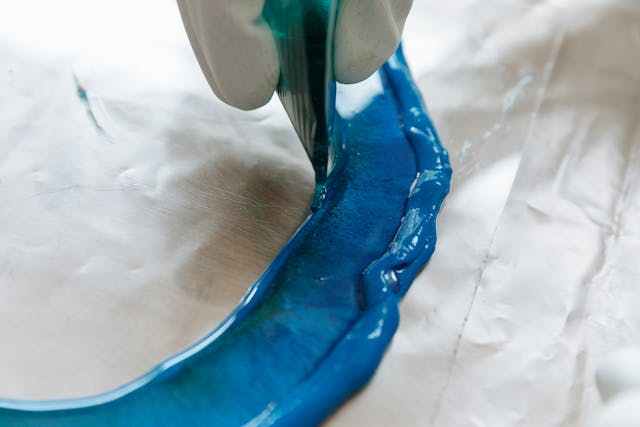

Furniture styles come and go, but every once in a while a design appears that captures people’s attention for years. Epoxy river tables are one of those designs. They combine raw wood with glossy resin in a way that feels both modern and natural at the same time. When you first see one, it’s hard not to stop and look closely. The flowing line of resin cutting through the wood often looks like water moving through a landscape.
The idea behind a river table is simple: two slabs of wood placed side by side with a channel between them. That channel is filled with epoxy resin, which hardens into a smooth, glass-like surface. Many designers experiment with different styles, including pieces inspired by ocean scenery, such as epoxy ocean tables, where colored resin creates the look of waves or coastal water. These variations show how flexible the concept has become.
Yet the real appeal of river tables is not only about appearance. They represent a meeting point between craftsmanship, natural materials, and modern techniques. The result is furniture that feels personal rather than mass-produced.
Where the Idea Came From
River tables began attracting attention in the last decade when woodworkers started experimenting with epoxy resin as a way to stabilize cracked or irregular wood slabs. Instead of hiding those imperfections, they turned them into part of the design.
What started as a practical solution slowly evolved into a style of its own. Woodworkers realized that the empty space between slabs could become a visual centerpiece. The resin, once hardened and polished, looked almost like water flowing between the edges of the wood.
From there, the idea spread quickly. Designers began playing with color, depth, and lighting effects. Some rivers were crystal clear, others deep blue, smoky gray, or even translucent green.
Despite all these variations, the basic concept remained the same: let nature provide the raw shape, and use resin to enhance it.
Why Each Table Is Different
One reason river tables attract so much attention is that no two pieces ever look identical.
Wood is unpredictable. Even boards cut from the same tree can show completely different grain patterns. Knots, mineral streaks, and color shifts appear naturally as the tree grows over decades.
When those slabs are turned into a table, the edges rarely form a straight line. The curves and uneven contours become the path of the “river.” Once resin fills the gap, that path becomes the defining visual element of the piece.
Then there is the resin itself. The color, depth, and transparency can change dramatically depending on pigments and pouring techniques. Some designs resemble shallow water where the wood beneath remains visible. Others look dark and mysterious, like deep water at night.
Because of all these factors, each finished table carries its own personality.
River Tables in Kitchen Spaces
In many homes, the kitchen has become the heart of daily life. Families gather there, conversations happen there, and meals are shared there. Because of that, the table placed in this room often becomes the center of attention.
A river table works especially well in kitchens with open layouts. The natural wood brings warmth to the space, while the resin surface adds a modern touch. Together they create something visually interesting without feeling overly decorative.
Common kitchen uses include:
- dining tables for family meals
- smaller breakfast tables near windows
- kitchen islands with resin running through the center
- bar counters connecting the kitchen and living area
The contrast between wood and resin tends to work nicely with materials often used in kitchens—stone countertops, simple cabinets, and metal lighting fixtures.
Another practical benefit is that epoxy surfaces are relatively easy to maintain. Spills can be wiped away without much effort, and the sealed surface protects the wood beneath.
Offices That Feel Less Corporate
Many workplaces are moving away from rigid, purely functional interiors. Designers now look for ways to make offices feel more comfortable and visually engaging.
River tables often appear in conference rooms or executive offices for exactly that reason. They bring an element of nature into spaces that might otherwise feel sterile.
A large conference table with a resin river running through the center can become the focal point of a meeting room. Instead of a standard rectangular surface, the flowing shape adds movement and character.
In creative industries—design studios, architecture firms, marketing agencies—such furniture can even influence the atmosphere of the room. People tend to respond positively to environments that feel thoughtfully designed.
A well-made river desk can also work as an executive workspace. It offers the professionalism expected in an office while still showing a sense of individuality.
Restaurants, Hotels, and Other Public Interiors
River tables are not limited to homes and offices. Many restaurants and hotels use them to give their interiors a memorable feature.
Walk into a restaurant and see a table with a glowing blue resin river running through it, and chances are you will remember that space. Unique furniture helps create identity.
In hospitality design, these tables often appear as:
- restaurant dining tables
- lobby coffee tables
- bar tops
- reception desks
- display tables in boutique stores
Because resin colors can be customized, designers sometimes match the table to the interior palette of the space. Dark blue resin might echo the tones of a coastal restaurant, while smoky black resin may suit a modern urban bar.
Different Design Approaches
The basic river concept allows for countless variations.
Some designs keep the resin almost invisible, letting the wood remain the main focus. Clear resin highlights the depth of the grain and the organic edges of the slabs.
Other designs take a more dramatic approach. Pigments can turn the river into a bold visual element. Deep blue, emerald green, or charcoal black resin can completely transform the mood of the piece.
Another interesting technique involves layered pours. Resin is added in several stages, creating depth similar to real water. Light seems to travel through the layers, giving the surface a sense of movement.
Some artisans even embed materials within the resin—stones, shells, or fragments of wood. These additions turn the river into something closer to a miniature landscape.
Practical Considerations
Despite their artistic appearance, river tables are designed to function like any other piece of furniture.
Epoxy resin forms a tough surface once it cures. It resists moisture and handles daily use well. With proper finishing and care, the table can last for many years.
Cleaning usually requires nothing more than a soft cloth and mild cleaning solution. The sealed surface prevents most liquids from soaking into the wood.
Of course, like any wooden furniture, river tables still benefit from reasonable care. Avoiding extreme heat or sharp impacts will help preserve the finish.
More Than Just a Table
Part of the fascination with epoxy river tables comes from the way they blur the line between furniture and art.
A typical table is designed mainly for function. It provides a flat surface and little more. River tables, on the other hand, invite people to look closely. The patterns in the wood, the depth of the resin, and the irregular shape of the river often spark conversation.
In many rooms, the table becomes a visual anchor. Other elements of the interior—chairs, lighting, decorative pieces—are arranged around it.
Yet despite their artistic qualities, these tables remain practical. They still serve the everyday purpose of gathering people together.
Why River Tables Continue to Fascinate Designers
Trends in furniture often change quickly, but some ideas remain popular because they connect with something deeper.
River tables combine several elements that people instinctively appreciate: natural materials, handcrafted detail, and a sense of uniqueness. They show the history of the tree through the grain of the wood while adding a modern layer through resin.
That mix of nature and design seems to resonate across many different interior styles—from rustic homes to sleek contemporary offices.For those curious to see how this concept can be interpreted in different ways, examples of handcrafted river table designs can be found at ThunderWood, where the interaction between wood and resin continues to inspire new approaches to furniture design.

The New Jersey Digest is a new jersey magazine that has chronicled daily life in the Garden State for over 10 years.