

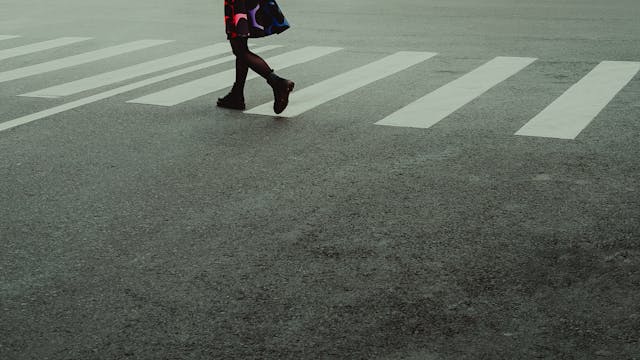

Mesa residents who walk, jog, or cross streets daily have reason to feel optimistic. While Arizona still faces challenges with pedestrian safety, local leaders and city initiatives are delivering tangible improvements. New safety plans, road upgrades, and community focus are creating measurable change right here in Mesa.
At the same time, clear legal protections ensure that anyone injured while walking has real options for recovery and justice. This combination of prevention and support marks positive forward movement.
Mesa’s Comprehensive Safety Action Plan Takes Effect
In May 2025, Mesa City Council approved the Comprehensive Safety Action Plan, with Mayor Freeman signing it into action. The plan sets a clear, ambitious target: reduce fatalities and serious injuries from motor vehicle crashes by 30 percent by 2030. It was developed with public input and a $750,000 federal Safe Streets and Roads for All grant, making it a data-driven framework rather than vague promises.
The plan emphasizes a “safety culture” that involves everyone—drivers, cyclists, and pedestrians. Key strategies include separating pedestrians and vehicles in space and time, improving visibility at crossings, and encouraging slower speeds through infrastructure and enforcement. These aren’t future ideas; implementation has already begun, with specific projects rolling out across the city. For Mesa families who rely on walking to schools, parks, or bus stops, this coordinated effort signals that city leaders are treating pedestrian safety as a priority, not an afterthought.
Concrete Infrastructure Upgrades Improving Daily Walks
Mesa is turning plans into pavement. In October 2025, construction started on Hampton Avenue between Crismon Road and Signal Butte Road. The upgrades include a new pedestrian crossing with a raised median that makes crossing safer and more visible. Pavement resurfacing, fresh lane striping, and the median work together to slow turning traffic and give walkers clearer priority.
Farther east, a $38.5 million project along old U.S. 60 (now Main Street and Apache Trail) is adding sidewalks and bike lanes over five miles near the Apache Junction border. Work began in early 2024 and continues to enhance connectivity for pedestrians and cyclists while improving business access. Similar efforts, such as the Extension Road project, repurpose space for buffered bike lanes and protected crossings near parks, schools, and light rail.
These changes address real pain points: high-speed turns, poor visibility, and missing sidewalks. By installing mid-block crossings and separating users where possible, Mesa is reducing conflict points that have historically led to injuries. The result is quieter, more walkable neighborhoods where residents can move confidently.
Your Rights After a Pedestrian Accident: Justice and Recovery Options
Even with these safety gains, accidents still occur—often through no fault of the person on foot. Arizona follows a pure comparative negligence rule, meaning injured pedestrians can recover damages even if they bear some responsibility, though the amount is reduced by their percentage of fault. Victims can seek compensation for medical bills, lost wages, pain and suffering, and other losses.
When a driver is distracted, speeding, or fails to yield, professional legal guidance helps victims navigate insurance claims, investigations, and court processes. A dedicated attorney can handle communications with insurers, gather evidence quickly, and fight for fair outcomes. If you or a loved one has been struck while walking in Mesa, consult with an experienced Mesa pedestrian accident lawyer today to understand your options and protect your rights. Free consultations are available, and many firms work on a contingency basis, so you pay nothing unless they win.
Community and Education Efforts Building Momentum
Safety improvements go beyond concrete. Mesa promotes shared responsibility through public education on yielding laws, distracted driving risks, and proper crosswalk use. The city’s Safer Streets initiative encourages residents to report near-misses and participate in safety discussions. Local feedback—such as concerns about busy intersections near bus stops—directly shapes project priorities.
This bottom-up approach builds trust. When pedestrians, drivers, and city staff collaborate, small habits compound into big results. Programs that highlight eye contact at crossings, reduced speeds in residential areas, and visibility enhancements reinforce the infrastructure work already underway.
National Trends Offer Broader Hope
Mesa’s efforts align with encouraging national data. According to the Governors Highway Safety Association, pedestrian fatalities dropped 10.9 percent in the first six months of 2025 compared to the same period the year before—the largest annual decline in 15 years. The fatality rate per 100,000 people fell to its lowest level since 2020.
While Arizona’s overall pedestrian death rate remains higher than the national average, the state’s Strategic Highway Safety Plan targets vulnerable road users with strategies like better lighting, separated paths, and speed management. Cities across Arizona are adopting similar action plans, creating a statewide push that supports Mesa’s local progress. The message is clear: consistent, targeted action works.
Everyday Steps Pedestrians Can Take Right Now
Progress at the city level pairs with simple personal actions. Make eye contact with drivers before stepping into the crosswalk. Use well-lit routes at night. Avoid distractions like phones when crossing. Teach children to look left, right, then left again. Small choices like these, combined with Mesa’s new crossings and medians, multiply safety.
Drivers also play a role: slow down in neighborhoods, yield to pedestrians in crosswalks, and stay alert near schools and parks. When everyone follows these basics, the streets become safer by design.
Mesa is moving in the right direction. The Comprehensive Safety Action Plan, ongoing road upgrades, and supportive legal framework show that pedestrian safety is no longer an overlooked issue. These steps won’t eliminate every risk overnight, but they deliver real, measurable improvements today. Whether you walk for exercise, errands, or commuting, the city’s commitment—and the rights you hold if something goes wrong—create a stronger foundation for everyone who steps outside.
Stay informed about local projects through Mesa’s transportation updates, practice safe habits, and know that help is available if you ever need it. The good news is that change is happening, and Mesa pedestrians are at the center of it.

The New Jersey Digest is a new jersey magazine that has chronicled daily life in the Garden State for over 10 years.