

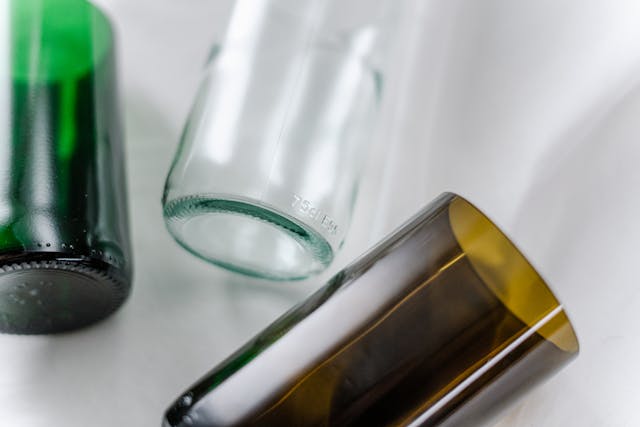

When discussions about sustainable packaging arise, glass is often one of the first materials mentioned. Its reputation for being environmentally friendly is not accidental. Glass is a permanent material, meaning it can be recycled endlessly without losing its quality, purity, or strength.
Besides, the single property of glass already gives it a prominent position among the most eco-friendly packages. Nevertheless, the tale of glass does not stop with recyclability. It gives a lot of environmental benefits throughout its life cycle. Going on a glass factory visit will show you more about production, reuse, recycling, and, even more so, its involvement in the circular economy.
A Permanent, Infinitely Recyclable Material
One of the defining qualities of glass is that it is infinitely recyclable. Once manufactured, a glass container can become the core ingredient for producing new bottles again and again. This closed bottle-to-bottle loop preserves material quality and reduces the need for virgin raw materials.
Because recycled glass (or cullet) melts at a lower temperature than raw materials, the manufacturing process becomes significantly more energy-efficient.
Across Europe, the success of glass recycling systems demonstrates just how effective this circular approach can be. Nearly eight in ten glass bottles are currently collected for recycling.
A Material Rooted in Nature, and Sourced Responsibly
Glass production begins with simple, natural raw materials: sand, soda ash, limestone, and recycled glass. These materials are sustainably sourced and selected according to strict environmental and quality standards. Because they are locally available in many regions, sourcing supports minimal transportation and reduced supply chain emissions.
Glass as a Reusable, Returnable, and Refillable Option
Beyond recycling, glass also stands out because it can be reused multiple times before it ever needs to be melted down again. Refillable glass bottles can be used up to 50 times, depending on their design and local systems. After completing their reuse cycle, they are recycled back into new glass packaging, completing a full circular loop.
Driving Progress Toward Climate Neutrality
The glass packaging industry is committed to becoming a climate-neutral packaging solution by 2050. Considerable advancements have already been made: production is lighter, more efficient, and less carbon-intensive than in previous decades. But the ultimate goal is to reach zero carbon emissions.
To achieve this, the industry invests around €600 million annually in energy efficiency, decarbonisation, and modernising production sites. This investment represents more than 10% of overall production costs and underscores the sector’s long-term commitment to sustainability.
Aligned With Global Sustainability Goals
Glass packaging also supports major global commitments such as the United Nations Sustainable Development Goals and the European Union’s Green Deal. With sustainability now at the forefront of political, business, and social priorities, materials like glass play a vital role in shaping a healthier, more resilient future.
By providing packaging that is circular, climate-friendly, and safe, the glass industry is positioned as a leader in both environmental stewardship and responsible production.
Reducing Waste and Conserving Resources
Environmental awareness is growing among consumers, businesses, and policymakers. As packaging waste becomes an urgent concern, glass offers a responsible alternative that helps reduce litter and supports conservation.
Energy Savings Through Recycling
The energy-saving benefits of glass recycling are significant. Since cullet melts at a lower temperature than natural raw materials, using recycled glass reduces the energy required to manufacture new bottles.
Lowering Carbon Emissions Through Recycling
Recycling not only conserves energy but also directly reduces CO2 emissions. Each tonne of recycled glass can eliminate up to 670 kg of CO2 emissions. Every 10% increase in the amount of recycled glass used in production results in a 5% reduction in carbon emissions.
Given Europe’s focus on increasing recycling rates and reducing environmental footprints, these emissions savings play a crucial role in supporting broader climate objectives.
To Wrap It Up
So, how eco-friendly is glass? The answer is clear: glass is one of the most sustainable packaging materials available today. Its permanent nature, infinite recyclability, reusability, and contribution to the circular economy make it a powerful ally in the transition toward a more sustainable world.
Backed by strong industry commitments to decarbonisation and resource efficiency, glass stands not only as a practical packaging choice but as a long-term solution aligned with global environmental goals.

The New Jersey Digest is a new jersey magazine that has chronicled daily life in the Garden State for over 10 years.