

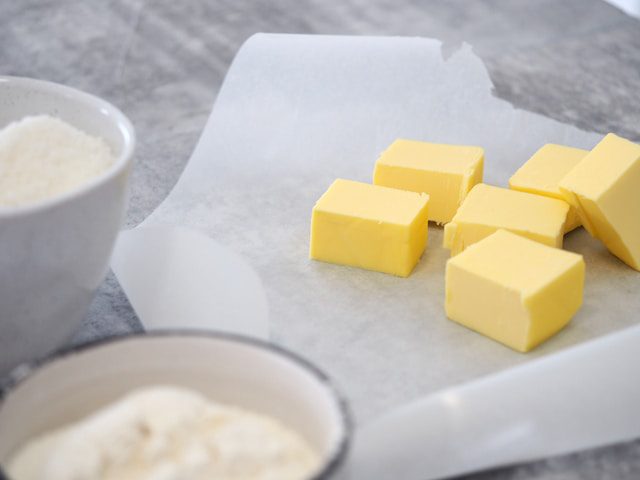

Butter sits at the core of food manufacturing, hospitality kitchens, and retail supply chains across the globe. Buying it in commercial volumes, though, is a different exercise entirely from restocking a restaurant cooler. It calls for strategic planning around price volatility, grading standards, supplier vetting, and temperature-controlled shipping. Getting each of these elements right helps procurement teams protect margins, cut waste, and deliver a consistent finished product. Here is how the process typically unfolds, stage by stage.
Assessing Volume Requirements and Product Specifications
Any serious procurement effort starts with a clear picture of what the business actually needs. That means estimating monthly or quarterly usage against active production schedules. Butter is available in a range of grades, fat percentages, and physical formats, from frozen slabs to individually wrapped prints with any wholesale butter supplier.
Different product lines often call for different specs. A commercial bakery producing laminated dough will likely need unsalted 82% butterfat blocks. A chilled-meals operation might order salted butter in 25-kilogram cartons instead. Pinning down these details early prevents order mismatches and the costly returns that follow.
Identifying and Qualifying Suppliers
With specifications documented, procurement teams begin evaluating potential vendors. Most businesses prefer to qualify at least one primary source and a reliable backup. Partnering with a proven supplier helps stabilize recurring orders and offers greater pricing predictability across longer contract windows. During this phase, buyers typically weigh production capacity, food safety certifications, average lead times, and distribution reach before formalizing any commitment.
Trade directories, dairy industry conferences, and B2B commodity platforms are common starting points for discovery. Facility audits or third-party inspection reports add a useful layer of due diligence before contracts are signed.
Understanding Pricing Structures
Butter pricing moves with milk fat availability, seasonal production cycles, broader dairy commodity trends, and grades. Bulk buyers rarely pay a static retail figure. Instead, they settle on one of several negotiated pricing arrangements.
Spot Pricing vs. Contract Pricing
Spot purchases reflect the going market rate on a given day and tend to suit businesses with irregular or unpredictable demand. Contract pricing locks in a fixed rate over an agreed term, often ranging from three to twelve months. Contracts shield buyers from sudden cost surges, though they can limit upside if the open market softens.
Volume-Based Discounts
Tiered pricing structures reward larger commitments. An order of ten metric tons per month, for example, will almost always carry a lower unit cost than a two-ton purchase. Getting the most from these tiers depends on accurate demand forecasting and honest internal consumption data.
Managing Cold-Chain Logistics
Butter degrades quickly outside controlled temperatures. Keeping the cold chain intact from a supplier’s loading dock to the buyer’s receiving bay is non-negotiable. Even a brief lapse can affect texture, taste, and remaining shelf life.
Sound procurement agreements spell out refrigerated transport requirements, acceptable temperature bands during transit, and inspection steps at the point of delivery. Many large-volume buyers now require real-time temperature tracking throughout each shipment. Freight partners, with proven dairy handling experience, significantly reduce spoilage risk and the headache of rejected loads.
Quality Assurance and Compliance
All commercially traded butter must satisfy strict food safety rules. Buyers who distribute across multiple markets need suppliers capable of meeting both domestic regulatory requirements and relevant international frameworks.
Key Checkpoints
Quality teams review certificates of analysis for every incoming batch. These documents confirm fat content, moisture levels, microbial counts, and freedom from contaminants. Periodic audits of supplier facilities help verify that manufacturing practices stay consistent between inspections.
Traceability is gaining importance as well. A growing number of retailers and food service operators expect full origin records, tracing the product from farm-level milk collection through processing and final packaging.
Building Long-Term Supplier Relationships
Transactional, one-off purchases rarely serve high-volume buyers well over time. Developing ongoing partnerships with vetted vendors unlocks advantages that go beyond unit price. Reliable allocation during peak seasons, priority access during supply shortages, and joint product development all become realistic once both sides invest in the relationship.
Scheduled performance reviews, transparent communication, and shared demand forecasts strengthen these ties further. A supplier who understands a buyer’s production calendar can align output and delivery timing to reduce gaps and keep lines running without interruption.
Conclusion
Buying butter at a commercial scale is a disciplined, multi-step process that reaches far past selecting the lowest quote. Careful coordination is required at each stage, from writing precise specifications to safeguarding cold-chain integrity and nurturing vendor partnerships. Businesses that commit to a structured procurement approach gain stronger pricing, steadier supply, and more predictable product quality. As consumption patterns shift and commodity markets move, a well-built buying framework keeps operations efficient and competitive over the long run.

The New Jersey Digest is a new jersey magazine that has chronicled daily life in the Garden State for over 10 years.