

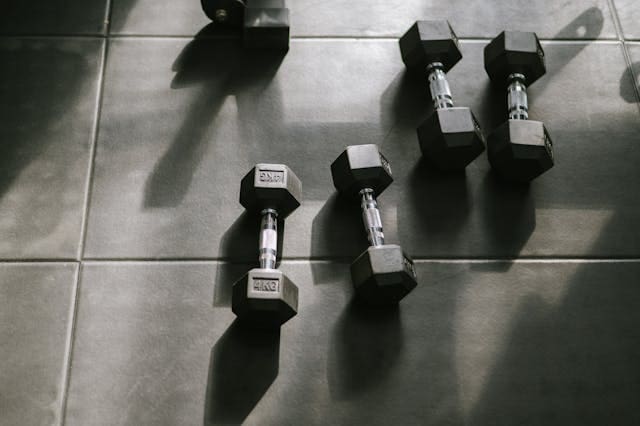

Creating a home gym has become a practical way to stay active without relying on a commercial fitness facility. Whether you want to improve strength, focus on conditioning, or simply maintain daily movement, having your own training space gives you flexibility and long-term convenience. With a clear plan and the right setup, anyone can build a home gym that fits their space, budget, and fitness goals.
Choosing Your Home Gym Space
The first step is deciding where your gym will go. Many people begin with compact equipment, and you can build your home gym with Fitness Avenue, which offers a wide range of tools suitable for different fitness routines. Nevertheless, the key is choosing an area that is accessible and comfortable enough for consistent use.
- Make sure the flooring is stable and can support the equipment’s weight.
- Check ceiling height if you plan to use overhead movements or tall racks.
- Consider ventilation and lighting to ensure the space feels safe and comfortable.
A large room is not necessary. Even a 4×6 ft area is enough for bodyweight exercises, adjustable dumbbells, and compact strength tools.
Setting Your Fitness Goals
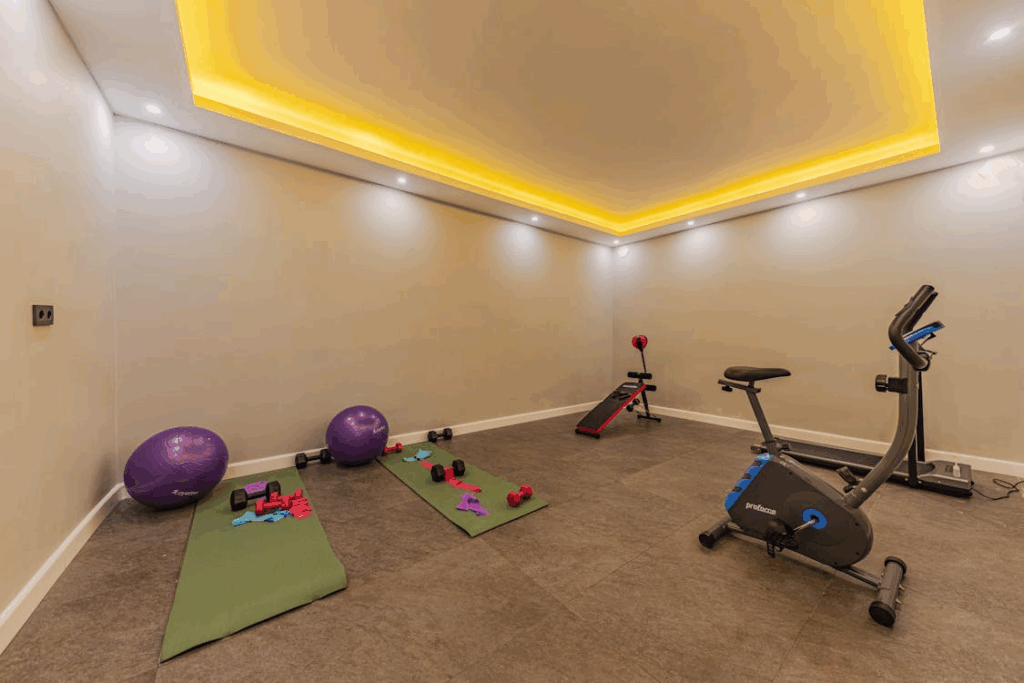
Define what you want from your home gym before purchasing equipment. Your intended results determine your equipment and setup.
Ask yourself:
- Do you want to build muscle?
- Are you focusing on general fitness or weight loss?
- Do you need a setup for strength training, cardio, or both?
Setting clear goals helps you avoid buying unnecessary items and ensures your gym aligns with your daily routine.
Selecting Essential Home Gym Equipment
You don’t need commercial equipment to train well. Start with versatile items that allow progress.
Basic equipment options include:
- Adjustable dumbbells: Good for strength training without taking up much space.
- Resistance bands: Useful for mobility work, warm-ups, and full workouts.
- Kettlebells: Great for strength, conditioning, and explosive movements.
- Yoga mat or exercise mat: Provides cushioning for floor exercises and stretching.
- Jump rope: A Compact cardio tool that requires very little space.
When room and budget permit, expanding your setup with barbells, plates, or a squat rack can be a smart next step.
Adding Strength Training Equipment
If strength is your priority, invest in equipment that supports progression.
Strength equipment to consider:
- Power rack or squat stand: Allows squats, bench presses, and pull-ups.
- Barbell and plates: Essential for progressive overload and compound lifts.
- Bench: Enables pressing exercises and step-up variations.
- Weight storage: Keeps everything organized and reduces hazards.
A barbell and rack setup requires more space, so make sure your flooring and room layout can accommodate it. Many compact racks are designed for smaller home gyms and still offer full functionality.
Incorporating Cardio Training Options
Cardio equipment is optional but useful if you prefer structured conditioning.
Cardio tools for home gyms include:
- Treadmills: Ideal for walking or running indoors.
- Stationary bikes: Space-efficient and low-impact.
- Rowing machines: Provide a full-body workout with smooth motion.
- Compact stair steppers: Good for short, high-intensity sessions.
If you’re working with limited space, jump ropes or kettlebell swings can replace large cardio machines.
Planning Your Home Gym Layout
A well-organized layout helps you maximize your training space and keeps everything accessible.
Here’s how to plan your setup:
- Place larger equipment first, such as racks or cardio machines.
- Designate zones—a lifting area, a stretching area, and a small space for accessories.
- Keep walkways open for safety and easy movement.
- Install wall hooks or shelves for storing bands, mats, and small items.
A tidy setup is more motivating and lets you train without constant reorganizing.
Ensuring Proper Gym Flooring
Good flooring is one of the most overlooked elements of a home gym. It protects your floor, reduces noise, and provides a safe training surface.
Flooring options include:
- Rubber mats: Durable and ideal for strength training.
- Foam tiles: Comfortable for stretching or yoga routines.
- Horse stall mats: An affordable rubber option often used in garage gyms.
Choose flooring based on your exercises. For heavy lifting, rubber is usually the best choice.
Improving Safety and Comfort
A safe gym helps reduce injury risks and promotes consistency.
Consider adding:
- Mirrors to support proper technique by giving you a clear view of your alignment.
- Provide fans or proper ventilation to keep the area cool and breathable.
- Basic first-aid supplies for minor injuries.
- Adequate lighting to help you see clearly and stay focused.
Safety is especially important in smaller spaces where equipment is close together.
Organizing Your Gym Accessories
Small accessories can pile up quickly if not stored properly.
You can keep everything organized with:
- Wall-mounted hooks
- Storage bins or crates
- Shelving units
- Dedicated storage racks for dumbbells or kettlebells
An organized space helps reduce distractions and makes your workouts smoother.
Setting a Realistic Home Gym Budget
Creating a home gym can be affordable when you begin with essential items and upgrade over time.
Two common budget strategies:
- Start small: Begin with dumbbells, bands, and a mat, and add equipment as your routine evolves.
- Invest in key pieces: Purchase a quality rack, barbell, and plates if heavy lifting is your main goal.
Track your budget and look for local deals or second-hand equipment to reduce costs.
On A Final Note
A home gym provides a long-term approach to maintaining fitness with added everyday ease. With planning and the right setup, you can create a space to support your goals and lifestyle. Start with essentials, expand as needed, and keep your gym organized to help you stay consistent and motivated at home.

The New Jersey Digest is a new jersey magazine that has chronicled daily life in the Garden State for over 10 years.