

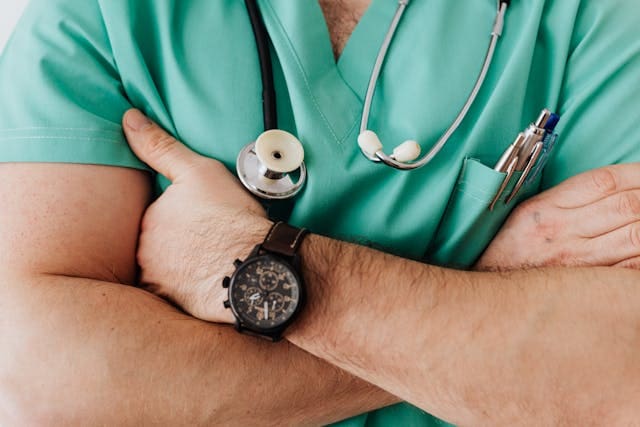

Varicose veins can be more than just a cosmetic concern: they often signal underlying health issues that require attention. Consulting a vein specialist can help us understand the condition and explore the multitude of treatment options available. In this text, we’ll investigate the causes, symptoms, and effective treatments for varicose veins, guiding us to make informed decisions for healthier, more comfortable legs.
Understanding Varicose Veins
Varicose veins occur when veins become enlarged, swollen, and overfilled with blood. They usually appear dark blue or purple. But why do they happen, and how can we recognize them?
Common Symptoms and Risks
Often, those suffering from varicose veins experience symptoms like aching, heaviness, or swelling in the legs. In more severe cases, we might notice skin changes or even the development of ulcers. Ignoring these symptoms can lead to more significant risks, such as blood clots. So, it’s vital to listen to our bodies and seek treatment when needed.
Causes and Contributing Factors
Several factors can contribute to the development of varicose veins. Genetics plays a significant role, if our parents had them, we might be predisposed as well. Other contributing factors include hormonal changes due to pregnancy or menopause and prolonged standing or sitting. Understanding these can help us recognize our risk and make informed choices about prevention and treatment.
Evaluating Treatment Options
When it comes to treating varicose veins, we have several options, each with its advantages. It’s essential to explore these thoroughly to determine what might work best for us.
Non-Invasive Treatment Methods
Starting with the least invasive, we can consider compression stockings, which improve circulation and alleviate symptoms. Lifestyle changes like regular exercise and weight management can also significantly impact our condition, helping to reduce symptoms and prevent further worsening.
Minimally Invasive Procedures
For those needing more than conservative management, several minimally invasive options exist. Sclerotherapy involves injecting a solution directly into the vein, causing it to collapse and fade from view. Endovenous laser treatment (EVLT) uses laser energy to seal off the affected vein, providing effective results with minimal downtime.
Surgical Options
In more severe cases, surgical treatment may be necessary, like ambulatory phlebectomy. A less invasive technique where small veins are removed through tiny skin punctures. While it may sound daunting, it’s essential to understand that advancements in techniques have improved outcomes and recovery times.
Consulting with Healthcare Professionals
Consulting with a healthcare provider is a crucial step in our treatment journey. They can provide tailored advice based on our unique health profile.
Questions to Ask Your Doctor
When we meet with our doctor, it’s helpful to prepare a list of questions. Some important queries may include:
- What treatment options do you recommend for my condition?
- What are the potential risks and side effects associated with these treatments?
- How long is the recovery period for each option?
By asking these questions, we ensure that we fully understand our choices and what to expect.
Evaluating Specialist Credentials
Finding a qualified specialist is vital. We should look for board-certified vascular surgeons or dermatologists who have extensive experience in treating varicose veins. Checking reviews and asking for referrals can also guide us in making the right choice.
Assessing Your Health and Lifestyle
Our health and lifestyle significantly influence the treatment we choose. Assessing these factors can help tailor the right approach for us.
Personal Factors to Consider
When considering treatment, we need to evaluate our overall health, any comorbid conditions, and lifestyle habits. For example, if we lead a sedentary lifestyle, opting for procedures that require mobility during recovery may not be the best choice.
Financial Considerations
Cost is another aspect we can’t overlook. Some treatments may not be covered by insurance, so we will need to understand our insurance coverage and out-of-pocket expenses for each option. Prioritizing treatments that fit our financial situation while still providing the best outcomes is key.
Making an Informed Decision
After evaluating our options, we can confidently approach our decision-making process.
Pros and Cons of Each Treatment Type
It’s wise to list the pros and cons of each treatment method. For instance, while non-invasive methods may have fewer risks, they may not provide the permanent solution we want. Conversely, surgical methods might come with a more extended recovery time but offer lasting results. By understanding these nuances, we empower ourselves to make a choice that aligns with our personal needs and goals.
Setting Realistic Expectations
Finally, it’s crucial to set realistic expectations about our treatment outcomes. Understanding that full recovery may take time and that results vary from person to person can help us maintain a positive outlook as we navigate our treatment journey.
Conclusion
To conclude, choosing the right varicose vein treatment requires thorough consideration of various factors, from understanding the condition to evaluating treatment options. By consulting healthcare professionals, assessing our lifestyle and health, and weighing the pros and cons of each option, we can make a well-informed choice that suits our needs. Remember, we’re not alone in this process; many resources and professionals are available to support us in achieving healthier, happier legs.

The New Jersey Digest is a new jersey magazine that has chronicled daily life in the Garden State for over 10 years.