

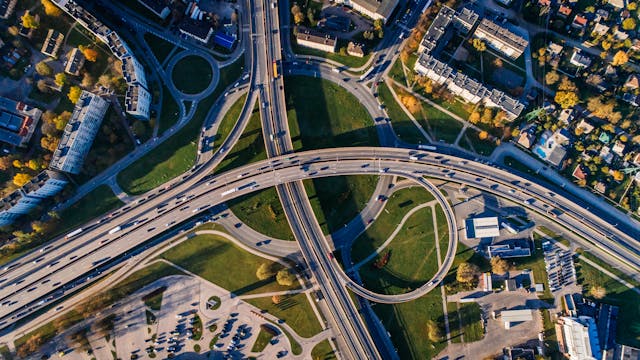

Driving in city streets can often feel like a maze full of potholes and bumpy roads. Bad road conditions can damage vehicles and cause accidents, frustrating drivers and cyclists. As more people move to cities, keeping roads in good shape has become a major concern for city planners and officials. The task is challenging, but cities can improve their road conditions with practical solutions.
Here’s how you can help improve your city’s roads.
Regular Inspections
Consistent road inspections are essential for improving road conditions. City officials should regularly check roads to find problems before they get worse. This way, they can prioritize repairs and spend funds wisely. Inspections should assess surface conditions, drainage systems, road markings, and signage, all of which are important for safety.
Encouraging the community to report road problems can also help. Many cities now have online platforms or mobile apps for residents to report potholes and other hazards. This helps identify issues quickly and involves the community in maintaining the city.
Innovative Materials
Using advanced materials for road construction and maintenance can provide long-term benefits. Traditional asphalt can wear out quickly, especially in extreme weather. Cities are increasingly using stronger materials that last longer and require less maintenance. For example, permeable pavement allows rainwater to soak in, which can help reduce flooding and the need for complex drainage systems.
Using recycled materials in road construction is becoming more popular. Materials like reclaimed asphalt or old rubber tires can lower costs and reduce environmental impact while creating a strong, durable surface. These innovations not only improve road conditions but also show a commitment to sustainability.
Salt Brine for Roads
In winter, icy roads can be dangerous. Regular salt can work, but it has downsides, like harming the environment and corroding vehicles. Salt brine, a mix of salt and water, is a better choice for safe winter roads.
Cities that apply salt brine for roads before a snowstorm can prevent ice from sticking to roads, making cleanup easier. It works as a pre-treatment, reducing overall salt use and harming the environment less. This proactive approach improves safety and reduces the work and resources needed after a storm.
Community Involvement
Involving the community is key to improving road conditions. When city officials talk with residents about road upgrades, people feel more connected to their neighbourhoods. Feedback can highlight specific needs, such as better pedestrian signage or more bike lanes.
Community volunteer projects can also help. Organizing clean-ups or tree-planting days can beautify roads and build pride among residents. These activities foster a sense of ownership and responsibility for local infrastructure, leading to better-maintained roads.
Smart Technology
Using technology can help manage and maintain roads more effectively. Many cities now implement smart traffic signals that adjust to real-time traffic, improving flow and reducing congestion. By analyzing data, officials can identify areas needing immediate attention based on traffic patterns and accident reports.
Additionally, systems that monitor road conditions can alert maintenance teams to issues such as potholes or surface damage. This proactive approach helps cities address problems before they escalate.
Sustainable Practices
Sustainable methods are important for improving roads. Green infrastructure, such as bioswales and rain gardens, can manage stormwater and reduce flooding risks. These solutions not only extend the life of roads but also benefit the environment.
Promoting alternative transportation, such as biking and walking, can reduce vehicle traffic and road wear. Expanding bike lanes, upgrading sidewalks, and offering public transport options help ease road congestion. A well-planned transportation network helps reduce stress on roads, prolonging their lifespan.
Budgeting Wisely
Cities need to budget wisely for road maintenance and upgrades. New projects often compete for limited funds, but maintaining roads saves money over time. Investing in proper upkeep reduces costly repairs and vehicle damage.
By carefully using resources and keeping a clear budget process, city officials can focus on important projects that genuinely improve road conditions for everyone.
Improving road conditions involves many efforts. By combining strong materials, community involvement, smart technology, and sustainable practices, cities can create safer and more reliable roads. Every contribution matters, and with individual participation, we can all help enhance our local infrastructure.