

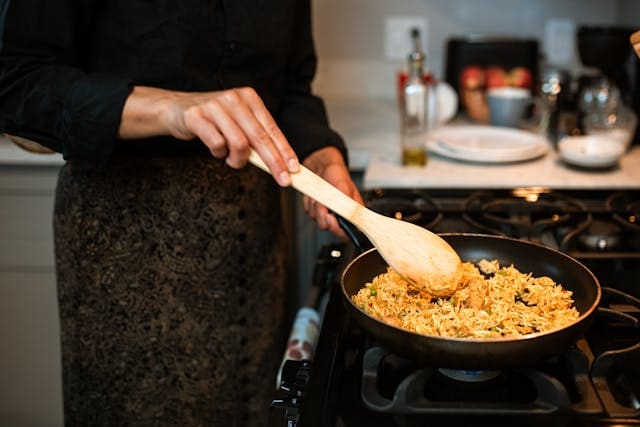

Paella brings the warmth and flavor of Spain to any table. This iconic rice dish blends saffron, tender meats, seafood, and vegetables in one pan, creating rich layers of taste and color. To make paella, one combines short-grain rice with quality stock, saffron, and a mix of proteins and vegetables cooked together until the rice absorbs every bit of flavor.
The process remains simpler than it seems. With the right ingredients and attention to timing, anyone can prepare an authentic paella using a wide skillet or sturdy pan. The key lies in patience as the rice cooks evenly and forms the golden crust known as socarrat.
A paella catering company in Melbourne shares their secret sauce to elevating this beloved dish: the perfect balance of fresh, locally sourced ingredients combined with traditional Spanish techniques. They emphasize the importance of using homemade stock and high-quality saffron to deepen the dish’s aroma and flavor.
Essential Ingredients for Paella
Authentic paella relies on specific rice varieties, carefully chosen proteins, aromatic spices, and proper equipment. Each element contributes to the dish’s texture, depth, and balance of flavors.
Rice Varieties and Their Importance
The choice of rice determines how the dish absorbs liquid and maintains texture. Traditional Spanish rice varieties like Bomba, Calasparra, and Senia are preferred because they absorb broth without becoming sticky. These short-grain types expand uniformly, capturing the saffron and stock flavors essential to paella’s identity.
Paella rice should remain separate but tender. Long-grain rice is unsuitable because it lacks the starch necessary to bind flavors properly. Bomba rice is widely regarded as ideal, expanding up to three times its volume while staying firm. Calasparra rice offers similar qualities but tends to produce a slightly drier finish, which some cooks prefer for a crisped bottom layer or socarrat.
When selecting rice, cooks should look for products labeled “arroz para paella.” These are designed for even absorption and reliable texture. Using other rice types may alter the cooking time and reduce the authenticity of the final dish.
Selecting Proteins: Seafood, Meat, and Vegetarian Options
Traditional Valencian paella uses rabbit, chicken, and sometimes snails, reflecting Spain’s regional ingredients. Modern variations often replace these with seafood such as shrimp, mussels, squid, or clams. The type of protein affects both flavor and cooking method.
Seafood paella requires careful timing to prevent overcooked shellfish. Cooks often add seafood near the end of cooking, allowing it to steam gently in the rice’s residual heat. Chicken and chorizo combinations are common outside Valencia, offering a heartier, smoky flavor. Vegetarians can replace meat with artichokes, beans, or roasted peppers. These ingredients add substance while maintaining balance with the rice and broth.
Protein should complement rather than dominate. A good rule is to use modest portions per serving, allowing the rice and spices to remain central. Consistency in protein size helps with even cooking and presentation.
Key Spices and Flavor Bases
Saffron gives paella its signature golden hue and subtle aroma. Only a small amount is needed, but quality matters. Ground turmeric can add color but not the same depth of flavor. Other essentials include paprika, preferably pimentón de la Vera, which introduces a mild smokiness.
The sofrito—a base of olive oil, tomatoes, garlic, and onions—creates the foundation. Some recipes include bell peppers for sweetness and color. Cooking the sofrito slowly until it darkens enhances the dish’s richness and binds the rice to the flavor of the broth.
A precise balance between saffron, paprika, and sofrito ensures the rice develops layered savory notes. Using too many spices can overwhelm the natural flavor of the stock, so restraint and accuracy are key.
Choosing the Right Pan and Equipment
The paella pan, or paellera, is wide and shallow, designed to maximize surface area so the rice cooks evenly and forms the crispy socarrat. Stainless steel and carbon steel versions are common. Carbon steel heats quickly and develops a seasoned surface over time but requires regular maintenance to prevent rust.
Pan size matters. A large pan allows a thin layer of rice, usually no deeper than 1–2 centimeters, which promotes even cooking. Crowding rice leads to uneven texture and steaming rather than frying. A 14–16 inch (35–40 cm) pan suits meals for four to six people.
Heat source consistency also influences results. Many cooks prefer gas burners or open flame for even heat distribution. In outdoor settings, wood fires can impart a light smokiness that traditional Valencian cooks value.
Step-by-Step Paella Cooking Process
Paella relies on precise layering of ingredients, controlled heat, and careful observation. Each stage—building the flavor base, arranging the rice and additions, managing heat, and developing the socarrat—determines the texture and taste of the final dish.
Preparing the Sofrito
The sofrito forms the foundation of the dish’s flavor. It typically includes finely chopped onions, garlic, and tomatoes, slowly cooked in olive oil until reduced to a thick, aromatic paste. The goal is to release natural sugars and concentrate flavors without browning the vegetables.
Cooks often add smoked paprika and a small amount of saffron, blooming these spices gently in the oil to infuse color and aroma into the base. Timing is crucial—undercooked sofrito leads to bland rice, while overcooked ingredients create bitterness.
To verify readiness, the mixture should appear glossy, cohesive, and deep red in tone. Once complete, this base coats the rice evenly, ensuring consistent seasoning throughout the dish.
Layering Ingredients for Maximum Flavor
Once the sofrito is complete, the cook spreads short-grain rice—commonly bomba or calasparra—across the pan in a level layer. These rice varieties absorb liquid slowly and retain structure, preventing mushiness. Even distribution helps each grain absorb sauce and broth uniformly.
Next, broth—chicken, seafood, or vegetable depending on the chosen variant—is poured in measured amounts. Ratios matter; typically, three parts liquid to one part rice produces balanced texture. Any proteins or vegetables are arranged after the broth to avoid overhandling.
Achieving the Perfect Socarrat
The socarrat—the thin, crisp layer of toasted rice at the pan’s bottom—signals well-executed technique. It forms through careful manipulation of heat near the end of cooking. When most liquid has evaporated, the cook increases heat briefly to allow the rice to caramelize without burning.
Listening helps gauge progress. A faint crackling indicates proper browning, while a harsh smell suggests scorching. The pan should remain unmoved during this stage so the crust develops evenly.
Paella specialists often test the base by running a spatula gently under the rice. If it lifts with light resistance and a toasty scent, the socarrat is ready. This texture contrast enhances the dish’s appeal without overpowering its delicate flavors.
Timing and Cooking Techniques
Paella requires steady heat control and observation rather than constant manipulation. Cooks start over high heat to bring broth to a boil, then reduce to medium-low for even absorption. Uneven heat produces undercooked or gummy rice, so rotating the pan on the burner ensures consistent results.
Typical cooking time ranges from 15 to 25 minutes, depending on rice type and pan size. Adding broth too early cools the pan, while too little leaves the rice undercooked. Clear visual cues—small craters forming as steam escapes—indicate the liquid has been properly absorbed.
After removing the pan from heat, it rests for several minutes under a clean cloth. This step allows moisture redistribution, stabilizing texture while the aromas settle. The result is a cohesive, balanced paella that highlights each ingredient’s contribution.
Serving and Presentation Tips
Serving paella involves more than taste; it reflects tradition, texture, and complementary flavors. The dish’s final touches and beverage choices influence how diners experience its color, aroma, and richness.
Traditional Garnishes and Accompaniments
Presentation begins with the pan itself. Paella is customarily served directly from the wide, shallow paellera, letting each guest admire the golden rice and crisp socarrat along the bottom. Before serving, cooks often rest the dish a few minutes to let the rice absorb remaining moisture and firm its texture.
Common garnishes include lemon wedges, fresh parsley, and occasionally roasted red peppers for a bright visual contrast. Lemon adds acidity that balances the olive oil and seafood flavors, while parsley provides color and freshness. In some regions, aioli accompanies seafood paella, offering a creamy garlic counterpoint without overpowering the rice.
For a shared experience, paella is typically placed at the center of the table. Diners eat directly from the pan or are served portions that reveal the distribution of ingredients—seafood, chicken, or vegetables—arranged neatly on top for an appetizing presentation. Keeping ingredients visible preserves the rustic, communal style central to this Spanish dish.
Pairing Paella with Beverages
Selecting the right beverage enhances paella’s flavor balance. White wines with good acidity such as Albariño, Verdejo, or Sauvignon Blanc pair well with seafood-based versions, cutting through the richness of the rice. For meat or mixed paellas, a medium-bodied red like Rioja or Tempranillo complements the smoky paprika and saffron tones.
Sparkling wines—including Cava—refresh the palate and suit both seafood and vegetarian options. Some prefer light beers or citrus-infused sparkling water to cleanse between bites.
When serving outdoors or at gatherings, chilled beverages maintain contrast against the warm, savory rice. Balanced pairings emphasize paella’s regional identity while ensuring every component—grain, protein, and garnish—retains its intended character.

The New Jersey Digest is a new jersey magazine that has chronicled daily life in the Garden State for over 10 years.