

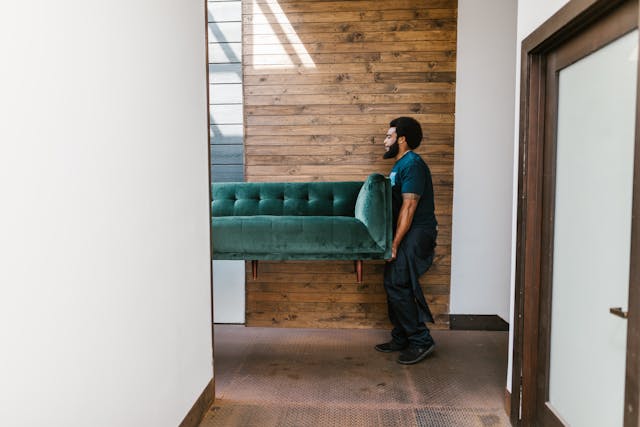

Moving a heavy safe is not just about strength—it’s about strategy, preparation, and safety. Safes are designed to be extremely heavy and awkward to handle, which makes moving them one of the most challenging tasks during a relocation or home reorganization.
Whether you’re moving a safe across a room, into a new home, or up a flight of stairs, understanding how to move a heavy safe properly can help you avoid injuries, prevent property damage, and protect the safe itself.
This guide walks you through expert tips, essential tools, and professional techniques to help you move a safe like a pro—or know when it’s time to call in experts.
Plan Before You Move
Before attempting to move a safe, take time to assess the situation carefully. Start by determining the weight, size, and dimensions of the safe. Many residential safes weigh anywhere from 300 to over 1,000 pounds, which significantly impacts the tools and manpower required.
Next, map out the exact route the safe will take. Measure doorways, hallways, and staircases to ensure the safe will fit. Look for obstacles such as tight corners, uneven flooring, thresholds, or stairs. Identify where you may need ramps, extra support, or protective padding.
Planning ahead allows you to minimize surprises and significantly reduces the risk of accidents.
Gather the Right Equipment
Using the best equipment for moving a safe is critical. Improvised tools or standard furniture dollies often aren’t strong enough and can lead to dangerous failures.
Essential equipment includes:
- Heavy-duty moving dolly or trolley
Choose a reinforced dolly designed for appliances or safes, with a high weight capacity and solid wheels. - Moving straps or ratchet tie-downs
These keep the safe firmly secured to the dolly, preventing shifting or tipping. - Work gloves with grip
Gloves protect your hands while providing better control during lifting and guiding. - Closed-toe, slip-resistant shoes
Steel-toe or sturdy work shoes help protect your feet if the safe shifts or slips. - Protective blankets or padding
Use these to shield floors, walls, door frames, and the safe’s exterior. - Pry bar or crowbar
Helpful for lifting one side of the safe just enough to slide the dolly underneath.
How to Move a Safe with a Trolley
Once you have the proper equipment, moving a safe with a trolley becomes much more manageable.
Follow these steps carefully:
- Recruit at least two people—more for larger safes.
- Use a pry bar to lift the safe slightly and slide the trolley underneath.
- Secure the safe tightly to the trolley using moving straps.
- Tilt the trolley slowly until the safe is balanced over the wheels.
- Move slowly and deliberately, keeping the safe upright at all times.
Avoid sudden movements, sharp turns, or uneven surfaces whenever possible. Maintaining balance and a low center of gravity is key to preventing tip-overs.
How to Move a Safe Upstairs
Moving a safe upstairs is one of the most dangerous scenarios and should never be taken lightly. The combination of gravity, limited space, and extreme weight increases the risk dramatically.
If you must move a safe upstairs:
- Use a stair-climbing dolly designed for heavy loads.
- Assign spotters both above and below to guide the safe and communicate clearly.
- Move one step at a time, pausing frequently to ensure stability.
- Never rush the process or attempt it alone.
If you feel unsure at any point, stop. In many cases, hiring experienced safe movers is the safest and smartest decision.
Professional Tips for Moving a Heavy Safe
To further reduce risk, keep these expert tips in mind:
- Empty the safe completely
Removing contents reduces weight and prevents internal damage. - Lock the door securely
A swinging door can throw off balance and cause serious injury. - Communicate clearly
Establish verbal cues so everyone moves together and knows when to stop. - Use ramps whenever possible
Ramps eliminate lifting and make transitions smoother and safer. - Protect your flooring
Heavy safes can crack tile, dent hardwood, or tear carpet without proper protection.
Safety Comes First
No safe is worth risking serious injury. Back strains, crushed fingers, damaged staircases, and broken floors are common results of improper safe moving. If the safe is extremely heavy, located on stairs, or positioned in a tight space, professional movers with specialized equipment are often the safest option.
Final Thoughts
Moving a heavy safe is a task that demands respect, preparation, and the right approach. With proper planning, professional-grade equipment, and careful teamwork, it’s possible to move a safe safely and efficiently. Just as important is knowing your limits—when in doubt, calling professionals can save time, money, and prevent serious injuries.
Move smart, move slow, and always put safety first.

The New Jersey Digest is a new jersey magazine that has chronicled daily life in the Garden State for over 10 years.