

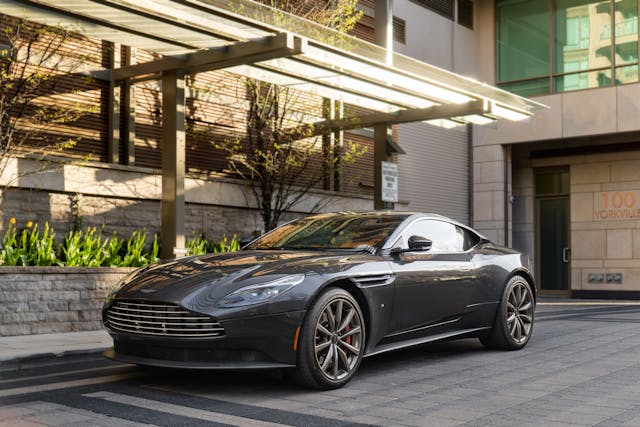

Selling a luxury car is a different game entirely. Buyers are more exacting; the gap between a well-prepared sale and a careless one can run into thousands of dollars, and the whole process demands more from you upfront. Whether you’re moving on from a high-end sports car, a premium sedan, or something genuinely exotic, what you do before the first inquiry lands matters more than most sellers realize.
Here’s what actually moves the needle.
Know What Your Car Is Really Worth
Start with an honest valuation. Luxury vehicles don’t depreciate in a clean, linear curve. Make, model, mileage, trim, and condition all pull the number in different directions, and a vehicle with a thorough service history can command a meaningfully higher price than one with documentation gaps.
The reality is that most sellers price off listings, not sales. Listings tell you what people are asking. Actual sale data, from auctions, private transactions, and dealer records, tells you what buyers are willing to pay. Pull from multiple sources and find a realistic range before you commit to a number.
And don’t price based on what you paid or what the car means to you. That’s not how buyers think. They’re looking at market value, condition, and whether the number makes sense on paper.
Timing Your Sale Strategically
Seasonality is real in this segment. Convertibles and sports cars attract stronger interest in spring and early summer. All-wheel-drive vehicles often see a bump in demand as fall approaches. If your timeline has some flexibility, these patterns are worth factoring in.
When you’re ready to move and decide to sell your luxury car through a reputable buyer or dealer network, walk in with your paperwork organized. Service records, original purchase documents, and details on any aftermarket work all signal that you’ve taken care of the vehicle. Buyers at this end of the market read the paper trail closely, and a complete history makes it easier to defend your asking price.
Presentation Makes a Real Difference
In the luxury segment, buyers notice everything. A minor paint scuff, a worn armrest, a slightly off-center panel gap — none of it goes unnoticed when someone is spending serious money. Before you list, have a professional detail done and address any mechanical issues that could surface during an inspection. Don’t give a buyer a reason to discount you before the conversation even starts.
Photography matters more than most sellers expect. High-quality, well-lit images that show every angle, inside and out, attract more inquiries. This isn’t the market for phone snapshots in a driveway. Buyers frequently decide whether to reach out based solely on photos, which means a weak listing can screen out your best prospects before they even see the price.
Be upfront about modifications, too. Some buyers will view certain upgrades favorably; others won’t. Either way, transparency cuts down on wasted back-and-forth and builds credibility with the people who are actually interested.
Choose the Right Selling Channel
Where you sell is just as consequential as what you charge. The main routes are private sale, consignment, dealer trade-in, or a specialist buyer focused on luxury and exotic vehicles. Each one involves a different tradeoff between price, effort, and speed.
Private sales put you in control, but they come with real work. You’re managing inquiries, negotiations, test drives, and paperwork yourself. You’ll also need to vet buyers carefully; high-value vehicles attract more bad-faith inquiries than most people anticipate.
Dealer trade-ins are fast and simple. The catch is that you’ll pay for that convenience through a lower offer. Dealers need margin on the resale, and that comes out of your number.
Consignment through a luxury specialist often lands somewhere in the middle. They handle the process while you maintain some say over the minimum acceptable price, and your vehicle gets in front of a buyer pool that’s already in the market for premium cars. Specialist buyers, companies that focus specifically on acquiring luxury and exotic vehicles, offer a different kind of value: speed and certainty. If you need to close the transaction quickly, a fair offer without the friction of a private sale is often worth more than the last few percentage points of price.
Negotiate Without Undermining Your Position
Expect some negotiation. Buyers in this segment almost always push, and going in with a price that leaves a small, realistic buffer gives you room to move without caving on the first counteroffer. That said, pricing too high to “leave room” tends to backfire. Serious buyers recognize inflated listings and move on.
Set your floor before negotiations start, and stick to it. Walking away from a buyer who’s pushing well below what the market and the vehicle’s condition support isn’t stubbornness. It’s discipline. Impatience costs sellers more money in this category than almost anything else.
On payment: for transactions at this price point, wire transfers are generally the safer option. Cashier’s checks can be counterfeited, and releasing a vehicle before funds are verified is a risk not worth taking.
The Takeaway
Price it right, prepare the car properly, choose the selling channel that fits your timeline, and negotiate from facts rather than frustration. None of these steps is complicated on its own. Done together, they put you in the strongest position when a serious buyer shows up.

The New Jersey Digest is a new jersey magazine that has chronicled daily life in the Garden State for over 10 years.