

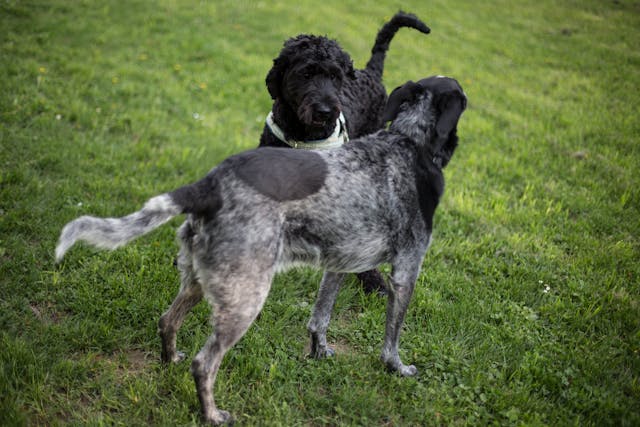

As the temperature drops, even energetic dogs often move a little slower in the early hours, rise more cautiously after naps, or prefer curling up in warm spots rather than racing to the door for a walk. Cold weather affects dogs much like it affects us — joints feel stiffer, muscles warm up more slowly, and everyday movement requires a little more care.
You can feel confident supporting your dog’s joint health this winter with some simple adjustments and a bit more awareness of how their body responds to the season. With the right approach, winter can be a comfortable, cozy time for them.
Why Winter Impacts Joint Comfort
Cold air and chilly floors can tighten muscles and slow circulation, which makes joints feel less fluid. Dogs who are older, larger, or naturally prone to stiffness often notice it the most. Even younger dogs can feel winter’s effects if their routines shift, walks get shorter, or they spend more time resting indoors.
None of this means that something is wrong. It simply means their body adapts differently when temperatures drop. Being aware of these seasonal changes helps you support your dog with patience and intention.
Warmth Makes a Bigger Difference Than You’d Expect
Warmth helps the body stay loose and comfortable. Keeping your dog’s sleeping area cozy with blankets, raised beds, or a soft surface can make mornings easier for them. You might notice that they gravitate toward warmer areas, sunlit patches, or tucked-away corners — these are self-soothing choices for greater comfort.
One great small adjustment you could try if your home has hardwood or tile is to place rugs or padded mats in your dog’s usual walkways. This can soften (and warm) the environment, increasing their comfort while also reducing joint tension as they move around.
Shorter, Gentler, More Intentional Movement
Movement is key to keeping the joints mobile, but winter doesn’t always allow long walks or outdoor play. Instead, focus on gentle movement throughout the day. Frequent short walks can be more supportive than one long one, especially when the ground is cold or icy.
Slow sniff walks are one of the best forms of winter enrichment. Sniffing stimulates your dog’s brain, lowers stress, and encourages low-impact movement that keeps their joints warm. Even 5–10 minutes of quiet sniffing can help their body loosen up without strain.
If your dog enjoys mild indoor games, light movement, like hide-and-seek, slow fetch on a soft surface, or puzzle feeders that encourage shifting weight, help them stay limber and engaged.
Maintaining a Calm, Predictable Routine
Dogs with joint sensitivity often do best when their days feel steady. Winter disrupts routines with shorter days, unpredictable weather, holiday travel, and changes in household pace, all of which can throw dogs off their norm.
Establishing consistent feeding times, reasonable exercise rhythms, and regular rest periods helps your dog’s body and nervous system stay balanced. A predictable routine supports joint comfort by keeping stress low, which can intensify physical discomfort.
Even simple anchors, like a gentle morning stretch session or a slow evening walk, can help your dog settle into a winter rhythm.
How to Recognize Subtle Winter Discomfort
Discomfort in dogs doesn’t always show up dramatically. Sometimes it’s subtle, slower transitions, hesitating before jumping into the car, choosing shorter routes on walks, licking certain areas, or shifting positions more often while resting.
These behaviors are important signals, and your dog’s way of telling you what they need. Noticing them helps you adjust proactively so they can stay comfortable rather than pushing through stiffness.
Connection Also Supports Comfort
Warm companionship often matters just as much as physical support. Dogs relax when they feel safe and connected. Slow brushing sessions, gentle massage (if your dog enjoys touch), quiet time together, or simply sitting near them while they settle can help their body soften.
Winter encourages everyone, including dogs, to slow down a little. Lean into this quieter rhythm together, and it can help your dog feel grounded in both body and mind.
Supporting Your Dog Through the Coldest Months
Winter doesn’t need to be hard for dogs, even those with aging joints or seasonal stiffness. With warmth, intentional movement, predictable routines, and attentive care, you can help your dog move comfortably through the season. This is a time for gentleness. A time to pay attention to the small changes in their behavior and respond with kindness. A time to honor the chapter of life they’re in, whatever that looks like.You may also try out CBD for dogs to support joint mobility and calmness, especially during the winter months, and for aging dogs or dogs who seem more sensitive to temperature changes. While it’s not a cure or a quick fix, it can be one piece of a broader, supportive winter routine. Your vet may recommend a certain type of joint supplement for your dog, so check with them for further information beforehand for more guidance.

The New Jersey Digest is a new jersey magazine that has chronicled daily life in the Garden State for over 10 years.