

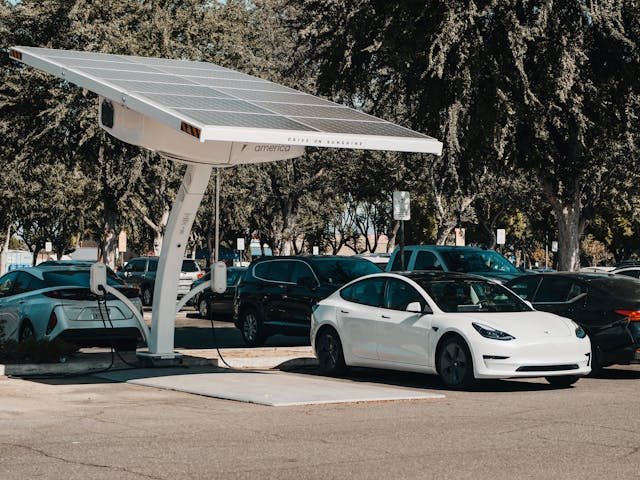

More dealerships across New Jersey are letting buyers pay with Bitcoin and Ethereum as electric vehicles make up 13% of new car sales statewide. This article breaks down how blockchain tech is changing the way cars get bought and sold in New Jersey.
Electric vehicle registrations in New Jersey jumped from 4.8% in 2021 to 13.56% in 2024, according to data from the New Jersey Department of Environmental Protection. At the same time, select dealerships now accept digital currency payments for new and pre-owned inventory. Payment platforms now handle Bitcoin and Ethereum deals. Dealers get paid immediately in dollars, so they’re not impacted by swings in eth price or other crypto prices. Younger buyers seem to prefer paying this way over taking out car loans, especially after new car sales dropped for two straight model years.
Crypto Payments Gain Traction At NJ Dealerships
A handful of New Jersey used-car dealers started working with payment platforms that convert cryptocurrency on the spot. Buyers pull out their digital wallets. Dealers get the money seconds later. Reports from early adopters have been largely positive so far. The younger tech crowd of buyers who’ve built up crypto holdings finally have a way to use them for something big. Dealers aren’t complaining about instant payments that skip the usual financing headaches.
Payment processors lock in the exchange rate the moment a buyer clicks purchase. Dealers don’t worry about Bitcoin crashing overnight or the price dropping during paperwork. According to analysis shared on Binance Square, platforms now guarantee dollar deposits within minutes of confirmation, insulating dealerships from crypto volatility entirely. Binance research shows buyers under 40 drive most of the demand for crypto car purchases, particularly after new car demand declined over the past two model years.
Want to buy a Honda with Bitcoin? A Tesla with Ethereum? Go ahead. Secure platforms now make it possible across select Jersey dealerships. Dealers cash out instantly at whatever the market rate is that second. And automakers are exploring blockchain’s potential as cryptocurrency continues gaining a foothold in the mainstream global economy, particularly across markets in Asia, Europe and throughout communities in New Jersey.
Tokenized Assets Could Transform Automotive Finance
Catherine Chen, Head of VIP and Institutional services at Binance, recently addressed the institutional shift toward tokenized real-world assets. “Our integration of tokenised real-world assets demonstrates our continued focus to enhance user experience,” Chen said. “By supporting [RWAs], we are offering our institutional clients more choices to optimise their capital efficiency while balancing risk control requirements.”
Chen added that “[Tokenization] will unlock further crypto adoption” as more institutional clients recognize opportunities to optimize capital efficiency while maintaining risk control requirements. Automotive finance companies in New Jersey could apply similar frameworks to vehicle ownership and leasing arrangements.
Converting car titles into blockchain-based tokens would streamline transfers between buyers, lenders and insurers. Most traditional banks hesitate without regulatory certainty, though pilot programs nationwide show pretty clear efficiency gains. Financial institutions serving Garden State residents could leverage tokenization to reduce administrative costs while improving transaction speed for title transfers and loan processing.
EV Data Management Drives Blockchain Applications
Electric vehicles generate massive amounts of data throughout their operational lifespan. Electric cars generate tons of data. Every charge and battery check. Every trip to the mechanic. All of it needs somewhere safe to live where nobody can mess with the numbers later. Blockchain keeps permanent records that can’t be altered once they’re written.
Smart contracts might eventually handle payments at charging stations around New Jersey. Plug in your car, and the system checks your account automatically. According to RWA-focused analysis cited on Binance Square, global automotive blockchain markets were valued at approximately $690 million in 2023 and are projected to reach over $4.41 billion by 2030, growing at a compound annual growth rate of 30.8%. Supply chain management and enhanced data security drive much of that projected expansion. Used car transactions have historically suffered from information asymmetry between sellers and buyers.
What if every oil change, every inspection, every repair got uploaded to a system nobody could tamper with? Blockchain does exactly that. Buyers could see everything about a car’s history before handing over cash. For Jersey shoppers dealing with pushy salespeople and sketchy listings, that kind of personal finance transparency would change everything.
Regulatory Hurdles Slow Widespread Adoption
Jersey’s motor vehicle agencies haven’t given the green light to digital title transfers. State officials need to approve these systems first, and they’re taking their time. Bank regulations pile on more problems since nobody wrote the rulebook for crypto down payments on car loans.
Insurance companies want clear standards for how they can access vehicle data stored on blockchains. Who owns that information? Who’s liable if something goes wrong? Until regulators answer those questions, most institutions are sitting tight. Catherine Chen’s comments about institutional adoption of tokenized assets reflect a global trend that could eventually reshape how Garden State residents finance and insure vehicles.
Now, nobody expects this to happen overnight. Electric vehicle sales keep climbing in New Jersey, from 13.56% now toward a projected 15% of new registrations, according to DEP data. As those numbers grow, blockchain tools will probably catch on with dealers who aren’t afraid to try something new.
Dealerships that cater to younger, tech-comfortable buyers stand to win here. People who grew up with smartphones expect buying a car to feel as smooth as ordering takeout. Early movers on crypto payments and blockchain ownership records might just give those customers what they’re looking for.