

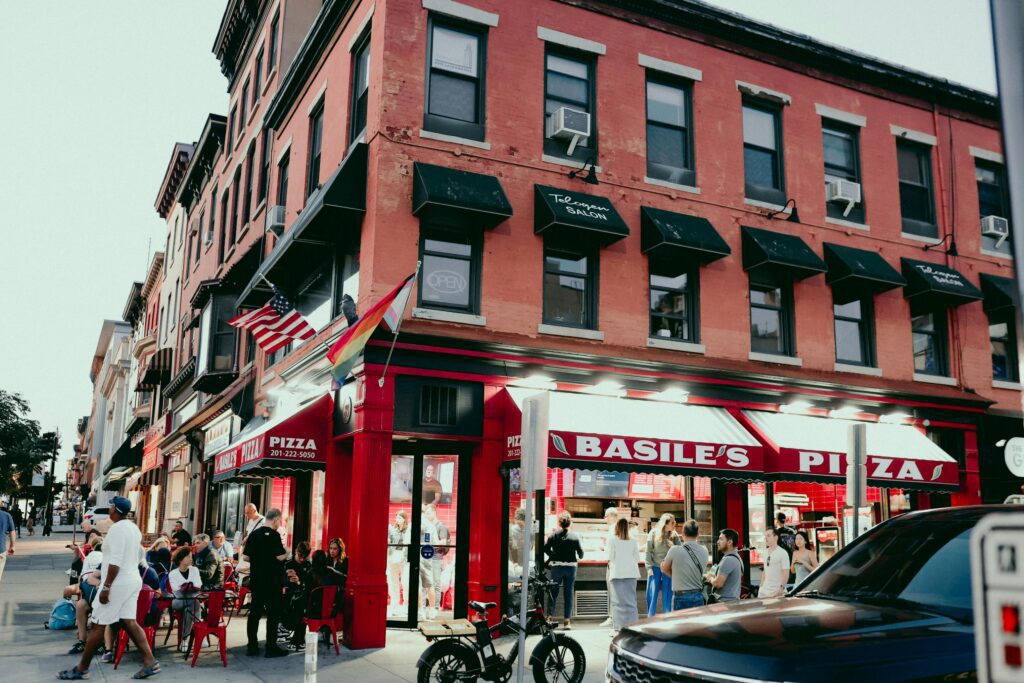

New Jersey has long been underestimated in the hospitality industry, but for operators, investors, and restaurant groups, it offers a strong case study in how diverse concepts can thrive within a competitive regional market.
From high-end dining to casual concepts, the state demonstrates how execution, positioning, and operational efficiency, not just food quality, drive repeat business and long-term profitability. These are the ones that stand out.
1. Forno’s of Spain: Leveraging Authenticity for Market Differentiation
Located in Newark, Forno’s of Spain has built a strong reputation by leaning heavily into authenticity. Rather than diluting its concept, it commits fully to traditional Spanish cuisine, creating a clear brand identity.
From a business perspective, this is a textbook example of niche positioning done right. The restaurant attracts both local regulars and destination diners, proving that authenticity can outperform generic, broad-market menus.
Operationally, its high demand, especially on weekends, demonstrates effective capacity utilization and reservation management. For restaurant owners, this reinforces the importance of aligning brand identity with operational planning to maximize revenue per service.
2. Ryland Inn: Premium Pricing Through Experience Design
Ryland Inn operates in the premium segment, using a farm-to-table model to justify higher price points. What stands out isn’t just the food, but the full dining experience. Menu rotation, sourcing transparency, and ambiance all contribute to perceived value.
For hospitality businesses, this highlights a key principle: pricing power is earned through experience, not just ingredients.
Seasonal menus also introduce operational efficiencies. By aligning offerings with local supply, the restaurant reduces procurement costs and improves freshness, while simultaneously reinforcing its brand narrative. This approach is particularly relevant for operators looking to increase margins without relying solely on volume.
3. Tops Diner: Scaling Volume Without Losing Brand Identity
Tops Diner represents a different but equally valuable business model. It operates in a high-volume segment while maintaining quality and consistency, which are two factors that are often difficult to scale together.
Its success lies in balancing operational efficiency with customer experience. A broad menu, 24/7 availability, and strong brand recognition allow it to serve multiple customer segments, from families to late-night diners.
For operators, this is a case study in throughput optimization. High table turnover, consistent food quality, and streamlined kitchen processes enable sustained revenue generation across all dayparts. It also demonstrates how comfort food concepts can be elevated without alienating core audiences.
4. Razza Pizza Artigianale: Product Obsession as a Competitive Advantage
Razza Pizza Artigianale has built its reputation on a single-minded focus: making exceptional pizza. This level of product obsession translates directly into brand equity.
By prioritizing ingredient sourcing, dough quality, and consistency, the restaurant creates a differentiated product that commands demand–even with constraints like limited seating and a cash-only model.
This reinforces the value of specialization. Rather than expanding menus or chasing trends, doubling down on a core product can drive stronger brand loyalty and operational simplicity. It also shows how scarcity and demand can be strategically managed to enhance perceived value.
Operational Takeaways for Restaurant Businesses
Across these examples, several consistent themes emerge:
- Clear positioning, whether premium, casual, or niche, drives customer expectations and pricing strategy
- Operational efficiency is just as critical as food quality for long-term success
- Experience design plays a major role in perceived value and customer retention
- Consistency and brand identity are essential for scaling without dilution
Equally important is the infrastructure supporting these operations. From reservations to payments, seamless backend systems are no longer optional.
A reliable payment system restaurant setup ensures transactions are fast, secure, and aligned with modern customer expectations–directly impacting turnover rates and customer satisfaction.
Conclusion
New Jersey’s restaurant landscape offers more than just great dining. It provides practical insights into how different business models can succeed within the same market.
For hospitality operators, the lesson is clear: success isn’t about following a single formula. It’s about aligning concept, operations, and customer experience into a cohesive, scalable system. Businesses that get this right don’t just attract diners–they build sustainable, high-performing restaurant operations.