


Upper body discomfort and restricted movement are common challenges that affect people of all ages. From difficulty reaching overhead to stiffness in the shoulders and upper back, these issues can interfere with daily activities, work, and exercise. While minor discomfort may be temporary, persistent stiffness or pain often requires targeted techniques and professional guidance to restore proper function. By combining at-home exercises, strength training, posture adjustments, and expert care, individuals can regain comfort, mobility, and overall upper body health.
Understanding Upper Body Movement Limitations
Limited upper body movement can result from several factors. Muscle imbalances, poor posture, repetitive strain, and natural aging often contribute to stiffness and reduced flexibility. Injury or overuse can also restrict the range of motion, making simple activities like lifting, reaching, or carrying items difficult. Early signs that intervention is needed include persistent soreness, difficulty performing routine movements, and reduced strength in the arms and shoulders. Understanding the cause of discomfort is the first step toward effective management and prevention.
Simple At-Home Techniques to Improve Mobility
Regular at-home exercises can significantly improve upper-body flexibility and movement. Stretching exercises targeting the shoulders, upper back, and chest help relieve tension and improve circulation. Range-of-motion exercises, such as arm circles or wall slides, can gradually increase shoulder mobility without placing excessive strain on the joints. Daily practice of these exercises is essential for maintaining progress and preventing stiffness from returning. Incorporating warm-ups and gentle stretching before activities further supports long-term mobility and comfort.
Strengthening Exercises for Upper Body Comfort
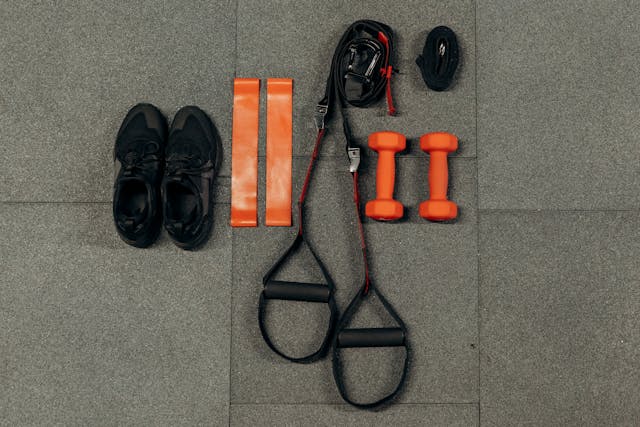
Strengthening the muscles that support the shoulders and upper back is crucial for long-term comfort and stability. Resistance training with light weights, bodyweight exercises, or resistance bands can help improve muscle tone, support joint function, and prevent injuries. Key exercises include shoulder presses, rows, and scapular stabilizing movements that target smaller muscles around the shoulder joint. Proper form is essential to avoid strain and maximize benefits. Strength training should be gradually progressed to build endurance and maintain upper-body strength over time.
The Role of Posture and Ergonomics
Posture plays a significant role in upper body comfort. Poor posture can lead to muscle tension, uneven load distribution, and limited range of motion. Simple adjustments to workstation setup, such as chair height, monitor placement, and keyboard positioning, can reduce strain. Maintaining proper posture during daily activities, including lifting or carrying objects, helps prevent discomfort from recurring. Combining posture correction with regular stretching and strengthening exercises ensures the upper body remains functional and pain-free.
When to Consult a Shoulder Specialist
Persistent pain or limited movement may require professional evaluation. Consulting a Cleveland Shoulder Specialist can provide an accurate diagnosis and targeted treatment plan for specific shoulder or upper back issues. Specialists assess joint function, identify underlying problems, and recommend therapies tailored to individual needs. Treatment may include manual therapy, guided exercises, or other rehabilitative strategies. Professional care ensures that recovery is safe, effective, and sustainable, helping individuals regain comfort and function more quickly.
Integrating Professional Care with Daily Techniques
Combining expert guidance with home-based exercises creates a comprehensive approach to restoring upper-body health. Following a specialist’s recommendations ensures exercises are performed safely and effectively. Regular monitoring allows adjustments to the routine as mobility and strength improve. This integrated strategy enhances long-term results, reduces the risk of reinjury, and reinforces healthy movement habits. Consistency and adherence to both professional guidance and daily exercises are key to lasting upper-body comfort.
Sustaining Upper Body Health for Daily Life
Maintaining mobility and strength requires ongoing attention and practice. Incorporating stretching, strengthening, and posture exercises into daily routines ensures that progress is preserved and future discomfort is minimized. Activities such as yoga, resistance band workouts, and mindful posture checks help reinforce upper-body health. Staying proactive by addressing minor stiffness or pain early can prevent it from developing into chronic issues. By adopting these strategies, individuals can enjoy better movement, increased comfort, and improved function in everyday life.

The New Jersey Digest is a new jersey magazine that has chronicled daily life in the Garden State for over 10 years.