

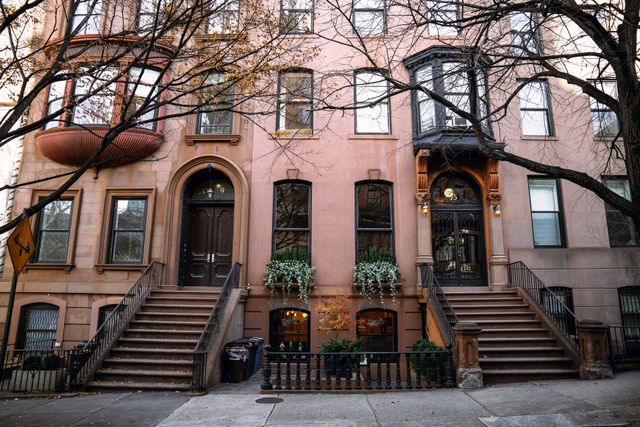
Jersey City is known for its striking mix of historic architecture and modern development, but some of its most distinctive streets are defined by brownstones and masonry row houses dating back more than a century. From Van Vorst Park and Hamilton Park to Paulus Hook and Harsimus Cove, these buildings contribute much of the character that makes Jersey City’s historic neighborhoods unique.
Owning a historic brownstone, however, comes with responsibilities that differ from maintaining a modern building. Natural stone, traditional mortar and decorative architectural features require appropriate materials and repair methods if they are to survive for another generation.
Why Brownstone Requires Specialized Care
Brownstone is a natural sandstone that was widely used during the 19th century because it could be carved into the detailed lintels, window surrounds, stoops and decorative features associated with historic townhouses.
While beautiful, brownstone is relatively porous and can be vulnerable to prolonged moisture exposure. Rain, snow and repeated freeze-thaw cycles gradually affect both the stone and surrounding mortar.
This is one reason brownstone should not simply be treated like modern masonry or even ordinary brick. Repairs that appear successful initially can sometimes accelerate deterioration when incompatible materials are used.
Water Is Often the Real Problem
Visible cracking or surface deterioration may be the first thing an owner notices, but the underlying problem is frequently moisture.
Water can enter through deteriorated mortar joints, failed window sealants, coping stones, flashing and small cracks. Once moisture reaches the masonry, repeated freezing and thawing can gradually cause the surface to flake, separate or deteriorate.
For that reason, repairing the visible damage without identifying the source of moisture may only provide a temporary solution.
According to NYC Facade Company, which specializes in brownstone and historic facade restoration, one of the most important steps is identifying and addressing the source of water infiltration before completing cosmetic surface repairs. Using overly hard repair mortars, aggressive cleaning techniques or non-breathable coatings can also cause additional damage to historic masonry.
Preserving Original Materials
A successful restoration should preserve as much of the building’s original character as practical.
Historic brownstone repairs may require carefully matched restoration materials rather than standard modern cement products. Mortar should also be compatible with the surrounding masonry. A repair material that is significantly harder than the original stone can place additional stress on the historic material instead of protecting it.
Decorative elements deserve similar attention. Cornices, window surrounds, lintels and stoops contribute significantly to the appearance of a historic brownstone, and unnecessarily replacing these features can alter the character that makes the property distinctive.
Historic Preservation in Jersey City
Jersey City’s historic districts are an important part of the city’s identity. Properties within designated historic areas may be subject to preservation requirements when owners make visible exterior alterations.
Before beginning significant exterior work, owners should determine whether their property falls within a historic district and whether approvals are required. This is particularly important when proposed work changes original architectural features, materials or the appearance of the facade.
Experienced historic facade restoration contractors can help property owners approach repairs with an understanding of traditional masonry, compatible materials and the importance of preserving original architectural details.
Should You Paint a Brownstone?
Natural brownstone was traditionally left exposed rather than painted, although many buildings have been painted or coated during previous renovations.
If an existing coating begins peeling or blistering, simply adding another coat may hide rather than solve the underlying problem. Moisture trapped behind incompatible coatings can contribute to deterioration of the stone beneath.
Before painting, repainting or removing an existing coating, owners should first understand the condition of the underlying masonry and any historic preservation requirements that apply to the property.
Maintenance Can Prevent Larger Repairs
Historic masonry deterioration usually develops gradually. Small cracks, deteriorated mortar or failed sealant may not initially appear urgent, but allowing water to repeatedly enter the building envelope can turn relatively localized repairs into a much larger restoration project.
Periodic exterior inspections can help identify problems early. Owners should pay particular attention to mortar joints, window openings, coping and flashing, stoops, cornices and areas where previous repairs are beginning to deteriorate.
Preventative maintenance is not about making a historic building look new. The goal is to protect original materials and address deterioration before significant architectural fabric is lost.
Protecting Jersey City’s Architectural Character
Jersey City’s brownstones are more than individual homes. Together, they form streetscapes that tell the story of the city’s growth and architectural history.
As Jersey City continues to develop, preserving these buildings allows historic neighborhoods to retain the craftsmanship and character that distinguish them from newer construction. Appropriate restoration can also allow owners to modernize and maintain their properties without unnecessarily sacrificing original architectural details.
The most successful approach combines regular maintenance, compatible materials and an understanding of how historic masonry was originally designed to perform.
Final Thoughts
A well-maintained brownstone can remain a defining part of Jersey City’s streetscape for generations. Preserving one requires more than repairing what is immediately visible—it means understanding the building’s materials, controlling moisture and respecting the craftsmanship that has already survived for more than a century.
By addressing problems early and approaching restoration with preservation in mind, property owners can protect both their investment and an important piece of Jersey City’s architectural heritage.

The New Jersey Digest is a new jersey magazine that has chronicled daily life in the Garden State for over 10 years.
