

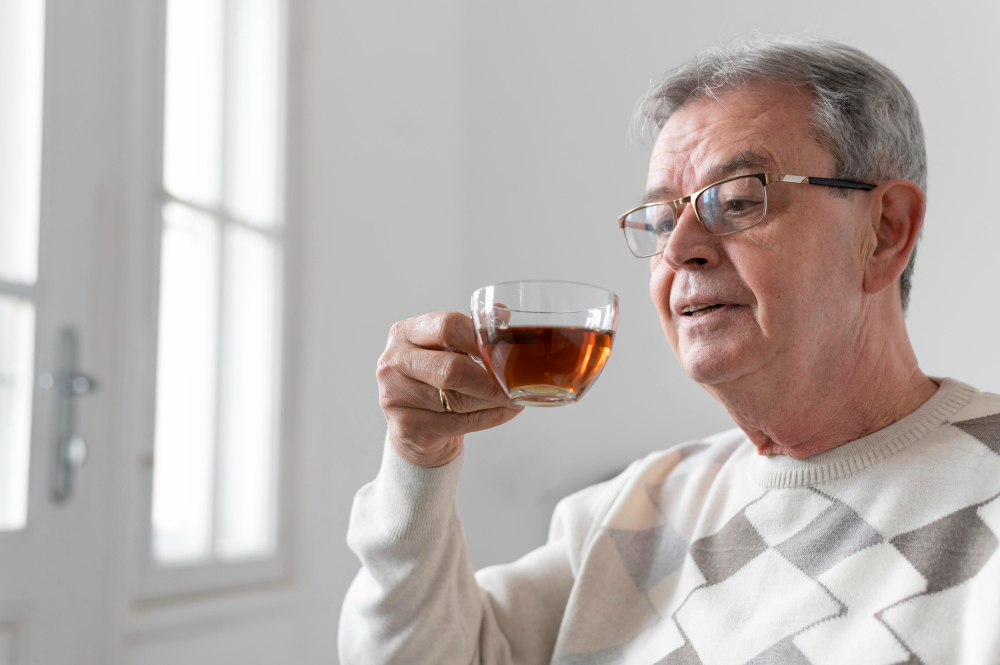

What is it about a cup of tea that feels like a universal hug? For countless people around the globe, tea is a ritual, a moment of pause, and a source of comfort. It might be the sharp, waking warmth of a morning brew, the steady companion of an afternoon break, or the calming, gentle steam of a pre-bedtime mug. In all its forms, tea often transcends the definition of a mere beverage, acting instead as a powerful cue for relaxation and well-being.
However, for older adults, this ancient, humble drink offers benefits that extend far beyond simple pleasure. As the body and mind age, the focus on sustainable, gentle, and natural methods of supporting health and vitality becomes increasingly important. Tea, with its rich history in herbal medicine and its complex profile of beneficial compounds, is perfectly positioned to play a significant and often underestimated role in promoting senior health and wellness.
We’ll dive into the scientific evidence behind its reputed benefits, uncovering how specific compounds can assist with everything from cognitive function and hydration to sleep quality and inflammation reduction. We’ll break down which types of tea, from classic green and black to various potent herbal infusions, are most useful, and provide practical advice on how seniors can safely and enjoyably incorporate this powerful, yet gentle, tonic into their daily routine.
Why is tea good for older adults?
Tea is full of natural compounds like antioxidants and flavonoids, which protect the body from damage caused by stress and aging.
But what does that actually mean for seniors?
- For the heart: Drinking green or black tea regularly has been linked to lower blood pressure and cholesterol, which means a healthier heart and reduced risk of heart disease.
- For the bones: Some studies show that tea drinkers may have stronger bones and a lower risk of fractures (a big plus for preventing falls and osteoporosis).
- For the brain: Tea contains small amounts of caffeine along with an amino acid called L-theanine. Together, they can sharpen focus and support memory, while also reducing the risk of cognitive decline.
- For overall health: The antioxidants in tea support the immune system, helping older adults fight off everyday infections.
It’s a simple habit that can make a meaningful difference in everyday health.
Which teas are best?
The world of tea is wide, but here are a few standouts when it comes to wellness:
- Green tea: Packed with antioxidants, green tea may help with blood sugar control, weight management, and brain health.
- Black tea: This type supports heart health and can give a gentle energy boost without being overwhelming.
- Chamomile tea: Naturally caffeine-free, chamomile is known for its calming properties. It may help with sleep and relaxation.
- Herbal teas: Options like peppermint, hibiscus, or rooibos can aid digestion, reduce inflammation, and keep the body hydrated.
The best part is that there’s something for everyone. If sleep is an issue, chamomile might help. If heart health is the focus, green or black tea could be the way to go.
How can seniors enjoy tea safely?
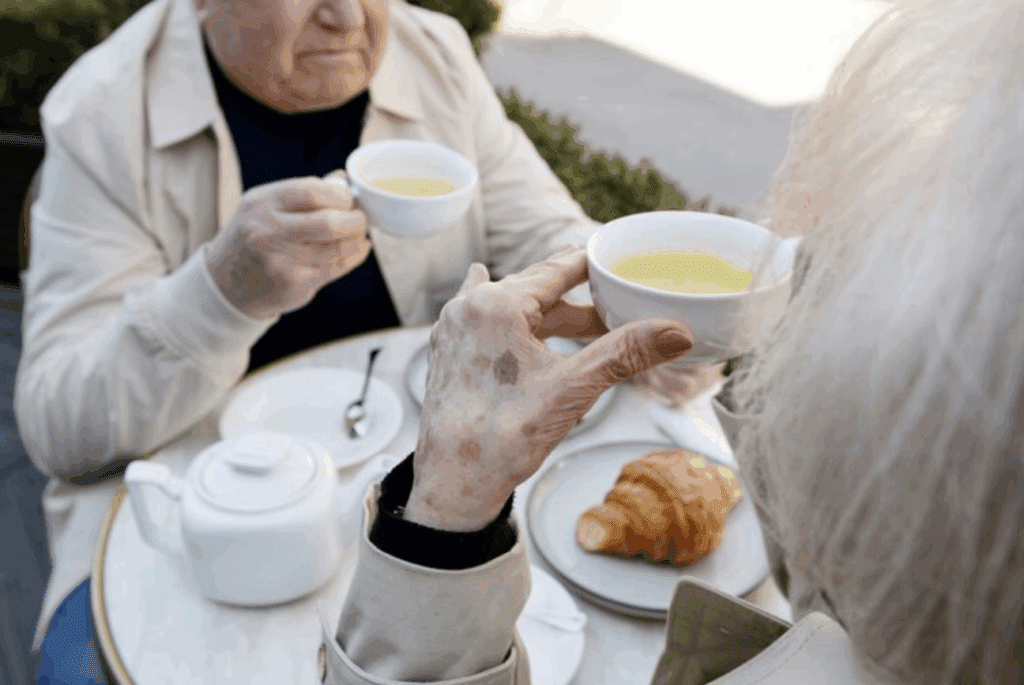
Image Source
Like most things in life, balance matters. Here are a few tips to keep in mind:
- Be mindful of caffeine: Green and black teas contain caffeine, which can interfere with sleep. Drinking them earlier in the day usually works best.
- Check for interactions: Tea may affect how the body absorbs certain medications, especially blood thinners. Talking with a healthcare provider is a smart step.
- Don’t overdo it: Strong tea can sometimes upset the stomach. A moderate brew is usually just right.
- Make it part of the routine: Morning tea for energy, or chamomile before bed for calm. It’s an easy way to bring structure and comfort into the day.
- Hydration counts: Tea also contributes to daily fluid intake, which is important since dehydration is more common in older adults.
Tea and healthy aging go hand in hand
The beauty of tea lies in its simplicity. Just a few minutes to steep a bag or brew loose leaves, and you’re not only creating a soothing moment but also supporting long-term health.
For many seniors, these small choices (whether it’s walking daily, eating balanced meals, or drinking tea) add up to a better quality of life.
This is also where healthcare providers play an important role. For example, professionals trained through agnp online programs are prepared to guide older adults in making practical, everyday changes like adding tea to their diet.
These small steps often complement medical care and help seniors stay healthy and independent longer.
–
At the end of the day, tea is more than just a drink. It’s comfort, routine, and wellness wrapped into one.
For older adults, it supports heart and bone health, sharpens the mind, and even helps with rest.
So the next time you or a loved one reaches for a cup, remember, it’s a small, everyday way to support aging well.