


Spreadsheets used to be the responsible adult thing to do, but most people in Jersey City or Hoboken will tell you the same thing: after a long day, the last thing they want to open is another grid of numbers. So it’s no surprise that a lot of residents are ditching old systems and turning to simpler, more intuitive ways to understand where their money goes. These tools run quietly in the background, making financial awareness feel less like a chore and more like a natural part of daily life.
What People Are Using Instead of Spreadsheets
If you ask around, you’ll likely hear a similar story from various people: they’re using simple mobile apps and the spending dashboards built right into most major bank apps. These tools allow for passive trend tracking: they usually categorize purchases automatically, show trends without any setup, and let you check in whenever you are curious. It’s a big shift from the days of entering every coffee or rideshare into a spreadsheet, which many beginners abandon after a week or two.
Plenty of New Jersey residents don’t realize their current bank app already includes built-in spending summaries. These features, such as monthly dashboards, category breakdowns, and year-over-year comparisons, are often tucked neatly between checking balances and transfer options. For someone who wants to start tracking trends with zero effort, these tools can be the easiest first step.
Another common issue is that people often think they need a strict budget to be good with money, but that’s not necessarily the case: trend tracking offers a softer entry point. Budgets set limits, while trend tracking shows behavior. For many locals who deal with unpredictable monthly costs, from parking to transit to apartment expenses, understanding patterns is far more helpful than enforcing hard caps they will not stick to anyway. Trend awareness gives people the ability to make natural adjustments without guilting them.
Traditional Budgets vs Trend Tracking
Traditional budgets can be laborious and time-intensive to set up and maintain, whereas trend tracking will generally require far less time and effort. They’re also less prescriptive; instead of directing your behavior, a passive tracker will simply show you what is happening, which is often all people need. A student in Jersey City might notice the quick snacks between classes adding up. A young professional in Hoboken may realize weekday lunches are quietly eating into their fun money. Passive tracker apps allow people to track patterns that become obvious once they’re spotlighted.
One reason these tools stick is that they do the tedious part for you. Many of them sync automatically with your income and expenses in real-time, and each transaction gets grouped into categories like groceries, transit, dining out, or subscriptions using merchant data. You don’t even have to label anything unless you want to (and most people never do). It’s a sharp contrast to spreadsheets where missing a day or two can ruin the whole system.
But Is Linking Accounts Actually Safe?
This is the question that most beginners worried about privacy ask first. Most tools use the same encryption frameworks banks rely on and offer read-only connections, which means they can view transactions but cannot touch your money. Once people understand that distinction, they tend to feel more comfortable giving these tools a try.

Why Automation Keeps People Consistent Without Effort
A funny thing happens when a tool does the work for you: you actually check it more (the same way you might glance at the weather before leaving the house). And even if you ignore it for days, the app doesn’t punish you for your inattentiveness. Rather, it faithfully keeps track of your monetary reality until you’re ready to look. That makes a hugedifference for anyone juggling commutes, shifting work schedules, or weekend plans across the Hudson
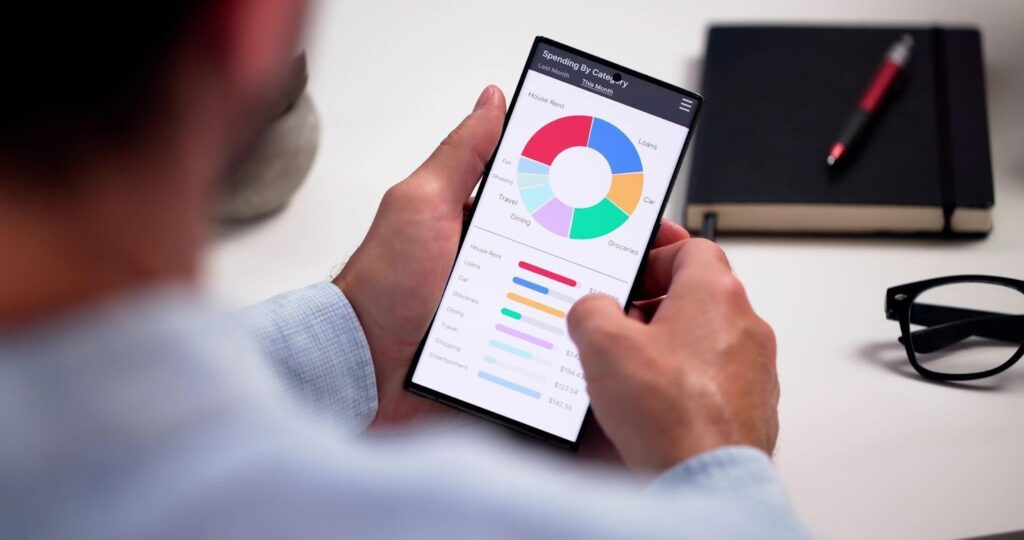
Another thing that makes automated apps great is their graph and chart capabilities. With spreadsheets, it can be difficult to figure out patterns and trends; after all, rows of numbers don’t tell a story. But a quick pie chart showing that half your weekend spending went to restaurants along Washington Street absolutely does. Many apps use color coding, timelines, and category bubbles that reveal trends without needing financial fluency. Visuals are especially helpful for beginners who want clarity, and research shows they make people more likely to stick with the habit.
A huge benefit of trend-tracking tools is that they can help you correct any financial hiccups on a day-to-day basis. Maybe you spot a forgotten streaming subscription. Maybe you notice transport costs spike during certain weeks. Maybe a string of weekend brunches finally shows up in a bright orange restaurant category. These discoveries can help you understand your habits, and that awareness alone can make people feel steadier and more in control, no spreadsheets required.
And while it’s true that most beginners mainly use banking tools, some people eventually get curious about bigger patterns, such as how inflation or local price shifts influence their spending. That’s where more robust trend-tracking platforms like TradingView can offer another layer of visibility, with clear charts that help users see how wider economic trends move over time.
Trend Tracking As a Path to Financial Freedom
Money tracking is finally catching up with the way people actually live. For New Jersey residents who want clarity without complication, automated tools can make the process feel lighter and more intuitive. Once you start seeing your patterns, even casually, you naturally begin making choices that feel better for your budget and your lifestyle.