

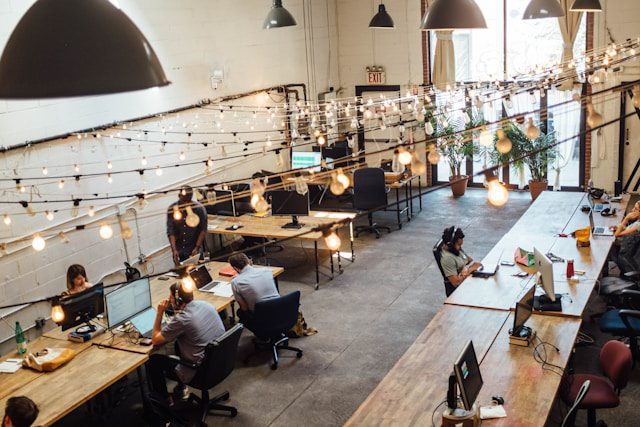

The benefits of ergonomic office furniture reach far beyond comfort; they influence productivity, employee retention, and long-term financial performance.
Organizations sometimes overlook how workplace design directly impacts output, yet subtle changes in furniture selection can shift daily operations in measurable ways.
Modern offices rely heavily on office chairs that need to support long hours of focused work. Poor seating can lead to discomfort that builds throughout the day.
This discomfort often reduces concentration and slows task completion. Investing in ergonomic chairs introduces a different experience; employees feel supported, which helps maintain steady performance levels during demanding schedules.
Work environments are also changing with sit/stand office desks, giving employees flexibility in how they work throughout the day.
Some businesses go with flexible acquisition models such as rent or lease furniture, allowing them to adapt layouts without large upfront costs. These options create opportunities to test ergonomic solutions before making long-term commitments.
Productivity Gains That Compound Over Time
Workplace productivity rarely shifts overnight. Small improvements accumulate into meaningful outcomes across weeks and months. Ergonomic furniture plays a quiet yet powerful part in this process.
When employees sit in poorly designed chairs, they often adjust positions frequently. Each adjustment breaks focus, even if only for a moment.
Ergonomic setups reduce these interruptions. Proper lumbar support, adjustable armrests, and seat height alignment allow individuals to stay engaged with their tasks. Over time, fewer distractions lead to higher output without extending work hours.
Organizations that track performance metrics often notice subtle increases in efficiency after upgrading furniture.
Tasks are completed with greater consistency. Meeting fatigue declines. Teams maintain momentum during longer sessions.
These outcomes translate into real financial value, even though the furniture itself is not directly tied to revenue generation.
Reduced Absenteeism and Health-Related Costs
Employee health has a direct connection to workplace conditions. Long hours spent in uncomfortable positions can lead to musculoskeletal strain, particularly in the back, neck, and shoulders. These issues contribute to missed workdays and increased healthcare expenses.
Ergonomic office furniture supports better posture throughout the workday. Adjustable features allow each individual to line up their workstation with their body’s natural positioning. This reduces strain and lowers the likelihood of chronic discomfort developing over time.
Fewer health-related absences mean fewer disruptions to workflow. Teams remain stable, and projects move forward without delays caused by unexpected leave.
Over a full year, this consistency can represent a distinct financial advantage that often goes unnoticed during initial purchasing decisions.
Employee Retention and Workplace Satisfaction
Workplace satisfaction extends beyond salary and benefits. Physical comfort plays a major part in how employees perceive their environment. An office that prioritizes well-being signals that leadership values its team.
Ergonomic furniture contributes to a positive daily experience. Employees who feel physically supported are less likely to associate work with discomfort. This shift influences overall job satisfaction and can reduce turnover rates.
Replacing employees involves recruitment costs, onboarding time, and temporary productivity loss. Retaining experienced staff avoids these expenses.
While ergonomic furniture may seem like a simple upgrade, its impact on retention creates long-term financial advantages that outweigh initial investment.
Adaptability for Changing Work Styles
Workplace expectations continue to shift. Hybrid schedules, collaborative spaces, and individual focus zones require flexible environments. Traditional office layouts often struggle to meet these changing needs.
Ergonomic furniture supports adaptability. Adjustable desks and seating allow workstations to accommodate different users without major reconfiguration.
This flexibility becomes especially valuable in shared office settings where multiple employees use the same space throughout the week.
Businesses that adopt flexible furniture solutions position themselves to respond quickly to operational changes. This agility reduces the need for frequent redesigns, which can be costly and disruptive.
Over time, adaptable furniture contributes to sustained efficiency without repeated investment.
Financial Efficiency Through Strategic Investment
At first glance, ergonomic furniture may appear more expensive than standard options. This perception often leads decision-makers to delay upgrades or choose lower-cost alternatives. However, focusing only on upfront pricing overlooks the broader financial picture.
When evaluating return on investment, it is important to consider long-term outcomes. Increased productivity, reduced absenteeism, and improved retention all contribute to financial performance.
These things often outweigh the initial cost difference between ergonomic and non-ergonomic furniture.
Flexible acquisition strategies also play a part in financial planning. Options like renting or leasing allow organizations to manage budgets more effectively. This approach reduces large capital expenditures while still giving access to high-quality ergonomic solutions.
Supporting Focus in High-Demand Jobs
Certain jobs require extended periods of concentration. Analysts, designers, developers, and administrative professionals often spend hours working at a desk with minimal breaks. In these environments, even minor discomfort can disrupt focus.
Ergonomic furniture creates a stable basis for sustained attention. Proper positioning reduces physical strain, allowing mental energy to remain directed toward tasks. Over time, this leads to higher-quality work and fewer errors.
Accuracy matters in many industries. Mistakes can lead to rework, missed deadlines, or financial loss. By supporting consistent focus, ergonomic setups contribute to improved outcomes without increasing workload.
Workplace Image and Professional Perception
Office design influences how a business is perceived by clients, partners, and prospective employees. A well-designed workspace reflects attention to detail and operational discipline.
Ergonomic furniture contributes to this impression by creating a polished and functional environment.
Visitors often notice seating arrangements and desk layouts during meetings. Comfortable, thoughtfully designed spaces leave a positive impression. This can influence business relationships and hiring decisions.
A professional workspace also affects internal culture. Employees take pride in their environment when it reflects thoughtful planning. This pride can translate into more focused staff members who are more attentive to organizational goals.
Long-Term Value That Extends Beyond Furniture
The return on ergonomic office furniture is not limited to physical products. It extends into how employees work, how teams collaborate, and how organizations perform over time.
These outcomes are interconnected, creating a ripple effect that influences multiple areas of business operations.
Short-term savings from cheaper furniture often lead to higher long-term costs. Discomfort, reduced productivity, and increased turnover create challenges that are difficult to quantify in advance.
Investing in ergonomic solutions shifts this dynamic by supporting sustainable performance.
Decision-makers who recognize this broader impact position their organizations for stronger outcomes. The value lies not only in the furniture itself but in the environment it creates.
A well-designed workspace supports people; when people perform at their best, the organization benefits as a whole.