

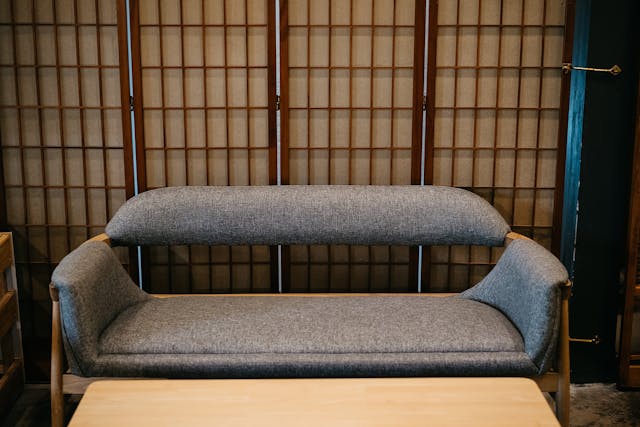

Living wood desks pull strength straight from the tree’s heart. Grain twists like old riverbeds. Knots rise boldly. Live edges wander freely. In 2026 biophilic design makes this raw authenticity non-negotiable. Wooden furniture by Maxiwoods reflects this return to nature through solid slabs that bring calm back into workspaces drowning in screens. Stress fades. Thoughts clear. Hands rest on something real, breathing, not a dead imitation.
Trends flip in wild ways. Pale minimalism ruled for decades. Now reclaimed slabs, visible flaws, and deeper tones flood in. Knots once planned away become heroes. Cracks stay open as character or fill quietly. Live-edge keeps the tree’s wild outline. Sort of defiant, right? A desk that refuses to fake perfection.
Handcrafted pieces capture it best. Makers select solid walnut for depth, cherry for evolving warmth, oak for ruggedness, reclaimed timber for stories. Hand-finishing lets grain breathe. Subtle epoxy seals rare deep checks, adds spill-proof layers without stealing focus. Their walnut slabs reveal natural power, intricate patterns, a patina that deepens slowly. Wood leads. Everything else is supported quietly.
Biophilic Design Roots Run Deep
Biophilic design reconnects spaces to nature. Effects appear quickly. Wood-rich rooms drop daily stress by up to 30% according to recent studies. Concentration rises noticeably. Creativity climbs around 15%. Productivity edges higher by 6% in natural-material environments. Wood’s warmth, texture, and even faint forest scent calm the nervous system. Home offices feel this need most. Quiet corners crave grounding more than open-plan offices ever did.
2026 pushes earthy palettes harder. Deep walnut browns mix with olive undertones. Caramel veins glow under soft light. Matte oils avoid glare, letting the grain play naturally. Organic curves replace sharp lines. Desks follow wood’s own rhythm. Trees ignore straight grids. Why force them?
Experts underline the tactile power. “Irregular grain and knots remind us of cycles beyond notifications,” a biophilic researcher noted after recent design weeks. Sustainable sourcing becomes essential. FSC-certified hardwoods dominate. Reclaimed timber searches spiked 35–40% last year. The eco-friendly furniture market is expected to approach $59 billion in 2026, growing 8–10% annually. Buyers invest in longevity, ethics, and pieces that age beautifully.
Materials That Carry History
Walnut stays the favorite for drama. Dark chocolate tones, swirling grain patterns. Cherry starts light honey, ages to rich red-brown patina. Oak brings rugged strength, visible medullary rays, and subtle texture. Reclaimed wood adds layers — old barn beams, factory salvage, urban timber. Each knot, scar, color shift tells a past.
Live-edge profiles preserve bark lines. Light sanding smooths touch without erasing the origin. Subtle resin fills only when needed — clear or muted amber, never loud. Purpose stays functional: prevent splinters, seal moisture. Wood’s character never gets buried.
Mixing tones gains ground. Light maple accents on a walnut base. Cherry tops with oak legs. Variety keeps spaces dynamic. Hand-carved edges appear in premium pieces. No mass-produced sameness. Real craftsmanship shines.
Patina becomes a feature. Cherry darkens over months. Walnut deepens with oils. Reclaimed timber shows wear proudly. Aging turns flaws into beauty. 2026 celebrates this natural evolution. No need for constant refinishing. Wood tells its story.
Durability Through Daily Use
Solid slabs stand up to real life. Thickness fights warping. Live edges handle uneven weight. Natural oils repel coffee, sweat, and crumbs. Subtle epoxy inlays waterproof cracks, block dust. Wood carries the load.
Examples show range. Compact 54-inch walnut live-edge desks fit micro-apartments. They shift to the entry tables after work. Wider 72-inch slabs take dual monitors, graphics tablets, and stacked notebooks. Hybrid workers choose them for video backgrounds that quietly impress. Grain draws attention from clutter.
Gamers love wide surfaces. Texture cushions wrists through long sessions. Creative studios turn live-edge slabs into collaboration hubs. Organic shapes invite leaning in, sketching. One agency used reclaimed oak desks in an open layout. Knot patterns sparked conversations. Team focus improved.
The design firm picked cherry live-edge with matte black legs. Soft curves eased harsh overhead lights. Collaboration flowed naturally. Productivity rose. The remote editor used a compact walnut piece in the bedroom nook. Natural texture cuts eye strain during 10-hour days.
Another case: a small marketing team outfitted shared space with oak live-edge desks. Rugged grain grounded chaotic brainstorming. Ideas flowed more easily. One freelancer chose a reclaimed timber slab for a tiny balcony office. Natural flaws became inspiration points during calls.
Benefits stack up:
- Grain texture eases hand fatigue over hours
- Unique knots, burls break monotony, start talks
- FSC/reclaimed woods fit eco priorities
- Matte finishes kill screen glare
- Patina over time adds deeper character
- Thick slabs carry heavy setups easily
- Seasonal movement makes wood feel breathing
Forms, Lighting, Textiles, Plants Integration
Live-edge forms the core. Bark edges stay raw. Light sanding for comfort. Resin enters sparingly. Clear fills for voids. Muted tones blend. Wood dominates.
Organic shapes spread. Soft waves mimic growth. Asymmetrical ends breathe. L-shaped desks fit corners, keep flow. Matte steel legs add contrast warmly.
Lighting transforms everything. Warm LED strips under the edges highlight the grain softly. Natural window light plays across the texture. Plants (ferns, monstera, fiddle-leaf figs) amplify the biophilic vibe. Textiles (linen chair covers, wool rugs, cotton throws) soften sound, echo wood warmth.
Accessories matter too. Minimal brass or matte black organizers. Ceramic mugs. Leather pads. All complement natural tones. No plastic clutter. Simplicity keeps focus on wood.
Care That Respects Evolution
Maintenance stays simple. Soft cloth dusts the grain. Mild soap wipes spills. Harsh cleaners skipped. Sunlight lightens tones gradually. Placement matters. UV protectants optional.
Wood expands, contracts with the seasons. That breath adds life. Minor scratches buff out gently. Patina builds slowly, richly. Scars become stories. These desks reward daily touch. They evolve with owners, gain depth.
Wood That Roots and Evolves
Living wood desks capture 2026’s deepest urge: materials that ground, restore, and inspire quietly. They turn sterile corners into calm sanctuaries. Focus sharpens on the grain that breathes. Creativity flows freer amid natural texture. Screens lose dominance when raw strength anchors everything.
Anyone seeking that rooted power with thoughtful craftsmanship should explore the epoxy desks from MaxiWoods. Their walnut-centered handmade desks honor the tree’s core strength. Subtle touches enhance without overpowering. Quiet endurance like that reshapes how work feels. Workspaces finally feel part of the living world again.