

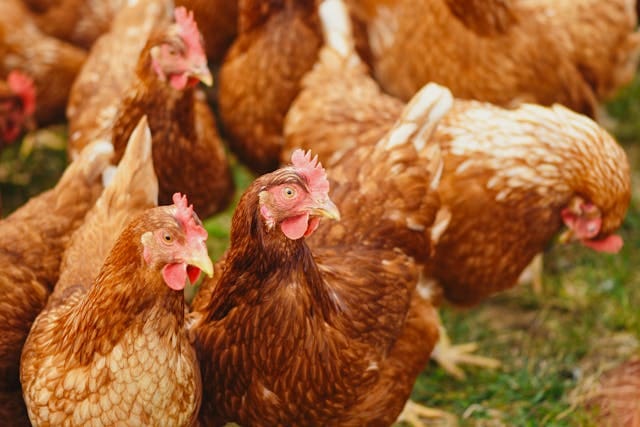

Backyard poultry keeping is moving from rustic hobby to practical investment, with households and small farms reshaping routines around efficient gear. Reliable egg production has become more than a perk—it’s a way to trim grocery runs and add resilience to the food budget. Smarter tools are shaping how flock care looks in compact spaces and shifting climates.
Manufacturers are answering with low-maintenance, space-saving solutions that balance bird health and keeper convenience. The new season highlights gear tuned for efficiency: feeders that prevent waste, waterers that resist contamination, and nesting boxes that protect fragile eggs. These upgrades cut daily chores while keeping both flocks and households running steadily.
Chicken Waterers and Feeders Designed for Efficiency
Efficient chicken waterers and feeders make flock care less demanding by streamlining daily tasks. Wide-mouth reservoirs paired with five- to ten-liter jugs allow quick refills that cut spills and contamination. Raised stands between twelve and eighteen inches lift feed clear of bedding, reducing waste while keeping pests away. Predator-guard legs with adjustable feet add stability even on uneven terrain, giving both durability and balance.
Modern designs also combine features that reduce maintenance and extend usability. Dual-use units hold both feed and water or incorporate a locked grit compartment for convenience. Built from stainless steel or UV-stabilized plastic, they resist wear and simplify cleaning through wide ports. A five-liter waterer set on a twelve-inch riser with sealed base helps keep pests out, cuts spill risk, and lengthens refill intervals.
Nesting Boxes Improving Egg Collection
Morning light hits a snug box where a rollaway tray cradles a cooling egg. Rollaway trays slope so eggs roll into a protected drawer, keeping them out of reach of pecking hens and reducing cracked shells. Liners of textured silicone or removable plastic snap into place, allowing a quick rinse or dishwasher cycle and cutting deep scrubbing.
Roofs angled at about thirty degrees discourage birds from perching above boxes, cutting feather droppings and smashed eggs below. Flared entrances keep hens from roosting while offering easy access. A three- to four-inch drawer lip with a fitted silicone liner that lifts out for cleaning reduces mess and speeds upkeep.
Automated Coop Doors Increasing Security
Moonlight settles on a coop as an electric door clicks closed at dusk, keeping birds tucked without a morning run. Timer models provide reliable schedules with sunrise/sunset offsets, weekday profiles, and manual override for checks. Motors rated for frequent cycles avoid stalling; stainless housings resist moisture and chewing, while hidden wiring and tamper screws limit predator access.
Battery or solar options suit yards without mains power; small 12V panels pair with gel or lithium backups for extended uptime. Locks include spring-latched plungers and motor-driven deadbolts that resist leverage attacks. Pairing a sealed battery bank with a modest panel keeps timed doors closing through cloudy spells.
Ventilation Systems Supporting Year-Round Flock Health
Seasonal extremes make ventilation a cornerstone of flock health, keeping coops balanced against both frost and heat. Effective systems pair lower intake vents with higher exhaust ports, allowing warm, moist air to rise out while fresh air circulates gently below perch level. This balance reduces dampness, ammonia buildup, and temperature swings that strain birds through seasonal changes.
Protective features strengthen the design. Fine-gauge wire shields openings from pests, while solar-powered fans maintain airflow into the evening with compact battery support. Mounted high along the roofline, such fans direct circulation across the coop, preventing stagnant corners. Together, these details create an environment that stays comfortable and breathable year-round with minimal oversight from the keeper.
Roosting Bars Built for Comfort and Durability
Rounded roosts mimic branches so toes curl naturally and pressure distributes along the foot pad. Use 1.25–1.5 inch diameters for most hens and about 1 inch for bantams; a smooth, slightly textured finish reduces slipping without chafing. Hardwood like oak or maple, or UV-stable PVC wrapped with cord, gives grip and cleans easily. Fasten bars with stainless brackets to a solid frame for long service life.
Adjustable brackets let roosts shift between 6 and 24 inches to suit chicks, pullets, and heavy breeds. Space bars 8–12 inches apart and favor powder-coated or marine-grade hardware to resist rot. A good baseline is 1.5-inch round bars, 10 inches apart, at about 18 inches high for mixed flocks.
The latest poultry equipment highlights a clear trend toward durability, simplicity, and practical gains. Raised feeders cut waste, rollaway trays protect eggs, and solar fans maintain steady airflow through seasonal extremes. Automated doors now close at dusk without supervision, offering both safety and peace of mind. Such tools don’t simply lighten daily chores—they improve predictability, reduce stress, and give flocks a more stable environment. Each upgrade represents time returned and eggs gathered with ease. Adding even one of these innovations this season lays the groundwork for smoother routines, calmer birds, and steadier returns in the year ahead.