

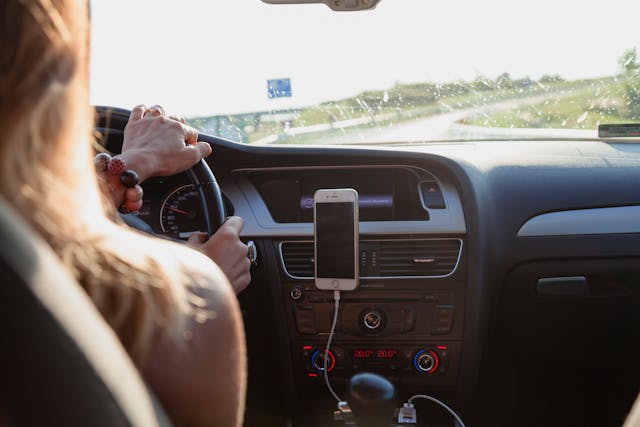

Distracted driving crashes often leave victims with a frustrating problem: you know the driver wasn’t paying attention, but proving it can feel difficult. Many distracted drivers deny wrongdoing. They may claim they “just looked away for a second,” insist they were driving normally, or argue the crash was unavoidable. Meanwhile, the injuries, medical bills, and lost income are very real. Because distraction happens inside the vehicle—behind the driver’s eyes and hands—strong evidence is essential to turn suspicion into proof.
The good news is that distracted driving is often traceable. Modern vehicles, phones, road cameras, and witnesses can all help reveal what the driver was doing in the moments before impact. The key is acting quickly so records and footage aren’t lost. If you were injured and believe distraction caused the crash, distracted driving accident lawyers can help identify the best evidence, preserve it early, and build a case that shows the crash was preventable.
Cell Phone Records And Digital Data
Cell phone records are some of the strongest evidence in distracted driving cases. Call logs, text timestamps, and data usage can show whether the driver was actively using a phone at the time of the crash. Even if the driver denies it, carrier records may reveal outgoing texts, app activity, or calls that align with the collision timeline.
In some cases, phone data can show more than a single message. It can reveal patterns of use, like frequent texting, social media activity, or navigation changes. When paired with crash time data, phone records can create a clear story: the driver was interacting with the phone when they should have been watching the road.
Vehicle Event Data Recorders (Black Box Evidence)
Many vehicles store crash-related information in an event data recorder (EDR), often called a “black box.” This data may include speed, braking, steering input, throttle position, and whether the driver attempted to avoid the crash. If the data shows no braking or delayed braking, it can support the argument that the driver was distracted and didn’t react in time.
EDR data can also reveal whether the driver was accelerating, drifting, or failing to slow down in a high-risk area. While it doesn’t directly say “the driver was texting,” it can show the absence of reasonable driving response—something that often happens when attention is elsewhere.
Dashcam Footage And Surveillance Video
Video is one of the most persuasive forms of evidence because it shows the crash and the moments leading up to it. Dashcam footage from your car, another driver, or a nearby commercial vehicle can capture erratic driving, lane drifting, sudden swerves, or failure to stop.
Surveillance cameras from gas stations, traffic lights, businesses, and residential security systems may also capture the driver looking down, holding a phone, or failing to respond to traffic. Even if the footage doesn’t show inside the car, it can show the driver’s vehicle behavior—like running a red light without slowing or drifting into another lane.
Witness Statements And Passenger Testimony
Witnesses often notice distracted driving patterns. A bystander may see a driver looking down, holding a phone, or weaving before the crash. Other drivers may observe the vehicle drifting between lanes, braking late, or failing to respond to obvious hazards.
Passenger testimony can be especially strong. If someone in the distracted driver’s car saw them texting, scrolling, or adjusting something inside the vehicle, that testimony can support the claim. Passengers may also confirm whether the driver was using GPS, eating, or interacting with screens just before impact.
Police Reports And Officer Observations
Police reports can provide useful early documentation. Officers may note whether a driver admitted to being distracted, appeared inattentive, or was holding a phone. They may document statements like “I didn’t see them” or “I looked away for a second,” which can support distraction claims.
Officers sometimes issue citations for phone use or unsafe driving behavior. While a citation is not required to prove distraction, it can strengthen the case. The report may also identify witnesses, capture roadway conditions, and provide crash diagrams that help reconstruct what happened.
Social Media Activity And App Usage
Some distracted driving cases involve social media, messaging apps, streaming platforms, or camera use. A driver may deny phone use, but posts, live streams, or app activity can reveal that they were engaged on a platform at the time of the crash.
In some cases, drivers post immediately after the crash, which can show they were using the phone in the minutes surrounding the collision. Social media evidence can be time-stamped and powerful, especially if it aligns with witness observations or phone records.
Traffic Camera Evidence And Intersection Data
Intersections are common crash points, and many intersections have cameras or sensor systems that record timing data. Traffic camera footage can show whether a driver ran a red light, rolled through a stop sign, or failed to yield during a turn. These behaviors often connect to distraction.
Intersection timing can also help prove that the driver had adequate time to stop or respond. If a light had been red for several seconds and the driver still entered the intersection at speed, it supports the argument that they were not watching the road.
Driving Patterns That Suggest Inattention
Distracted driving is often proven through consistent driving patterns rather than a single piece of direct evidence. When a driver’s behavior shows no real awareness of what’s happening ahead, it can strongly suggest inattention. Common patterns include:
- Drifting out of a lane: Gradual lane departure without signaling, overcorrecting, or appearing to notice the vehicle leaving its lane.
- Rear-ending stopped or slow traffic: Especially when traffic was clearly visible and other drivers had time to slow down.
- Failing to brake or braking late: Little to no braking before impact, or braking only at the last moment.
- Inconsistent speed: Sudden speed changes, weaving, or erratic pacing that suggests the driver wasn’t focused on the road.
- Delayed reaction to hazards: Slow response to red lights, stopped vehicles, pedestrians, cyclists, or road changes.
- Striking someone in a clearly visible area: Hitting a pedestrian or cyclist in broad daylight or in an area with unobstructed sightlines can indicate the driver wasn’t watching the roadway.
These patterns are often supported by evidence such as:
- Skid marks or lack of skid marks
- Crash reconstruction findings
- Vehicle damage patterns
- Event Data Recorder (EDR) data showing braking, speed, and steering input
The Best Distracted Driving Evidence Is Often Time-Sensitive
Evidence of distraction can come from phone records, vehicle black box data, video footage, witnesses, and police reports. The strongest cases often use multiple sources to show that the driver was not focused on the road and failed to react in a way a careful driver would have. Because digital evidence can be deleted and video can be overwritten, early action matters.
If you believe distraction caused your crash, focus on medical care first, then preserve evidence as soon as possible. A well-supported claim can make it harder for the driver and insurance company to deny responsibility—and can help you pursue compensation that reflects the true impact of the collision.

The New Jersey Digest is a new jersey magazine that has chronicled daily life in the Garden State for over 10 years.