

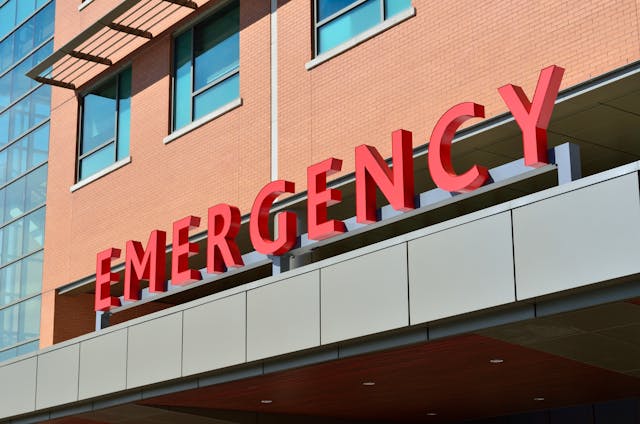

Emergency rooms can often be the most hectic, overcrowded, and fast-paced environments. Nevertheless, healthcare workers have a solemn duty to protect the safety of their patients. When the duty is breached, even the slightest error can have adverse consequences for the patients.
The high-pressure nature of emergency rooms, miscommunication, and carelessness of the healthcare providers lead to errors that change the trajectory of the victims negatively forever, ranging from lifelong disability to even death.
Determining who was at fault in emergency room error cases is often very hard due to the complex nature of emergency rooms. If you or your loved one fell victim to an emergency room error, it’s vital that you hire a medical malpractice lawyer to get justice.
Most Common Emergency Room Errors
The most common emergency room errors involve the following factors:
Misdiagnosis
Misdiagnosing or wrong diagnosis and delaying diagnosis are some of the most common medical errors. Many conditions have similar symptoms, and sometimes severe conditions like heart attack, stroke, and internal bleeding can show less severe symptoms.
Regardless of the chaotic situations, ED staff are required to review the test results intensely to determine the right condition, but when they misinterpret results like X-rays, CT scans, and blood tests, ignoring every possibility, this leads to an ED error.
Delayed Treatments
Time is everything when it comes to treating patients; even minutes can contribute to harming the patient’s health when they need timely treatment, especially for time-sensitive conditions. Key reasons why treatment may be delayed are:
- When the emergency room is understaffed or overcrowded with too many patients, this causes the staff to delay in seeing the other patients and promptly diagnosing their condition.
- When doctors fail to do the preliminary assessment to determine the urgency for treating a patient, depending on the illness or severity of their injuries, known as triage.
Medication Errors
When doctors, nurses, or pharmacists mishandle while prescribing drugs for patients, medication errors occur. Common medication errors can be:
- Administering the drug that was for a different patient
- Giving an incorrect dosage, greater or lesser than what is prescribed due to miscalculations
- Prescribing an incorrect medication entirely
Medication errors can also happen when nurses or pharmacists face miscommunication, making them misinterpret orders from their doctors.
Early Discharge
Some patients are sent home early due to overcrowded emergency rooms, forcing staff to discharge patients early to free up the spaces before their health has fully stabilized. One of the unfortunate problems in our medical system that shouldn’t exist in the first place.
Patients may be discharged earlier when their condition is misdiagnosed and it is wrongly determined that the patient doesn’t need hospitalization anymore.
When patients are sent home prematurely without proper information about their condition and with no instructions to get aftercare or further treatment at home, their condition can become even worse, often requiring more expensive treatments.
Lab and Test Results Error
The majority of the lab errors occur before the sample is even analyzed, like drawing blood from the wrong patients, mislabeling samples, improper collection of samples, or samples being lost or not transported to the lab in a timely manner.
Doctors can misread the lab test results or fail to order tests to evaluate a patient’s condition in the first place. This can lead to a chain of miscommunications among the ED staff that leads to lab and test results errors.
Failure to Follow Up
An ED staff’s job doesn’t end in just emergency rooms. They’re still obliged to follow up with the patient after they’re discharged to make sure they have fully recovered, symptoms don’t persist or reappear, and medications delivered them the intended effect.
Key Takeaways
- Misdiagnosing a patient’s condition or delaying diagnosis.
- Failing to provide patients the timely treatment they needed.
- Mishandling medications, like giving the wrong drugs or dosage.
- Discharging patients early without making sure they have stabilized.
- Mislabeling samples and misreading lab test results fueled by miscommunication.
- Failing to follow up with a patient to see how they are doing.

The New Jersey Digest is a new jersey magazine that has chronicled daily life in the Garden State for over 10 years.