



Sleep troubles affect millions of people, and the search for relief often leads to prescription medications with unwanted side effects. However, many natural alternatives can help you fall asleep faster and stay asleep longer. From hormone supplements to herbal teas and lifestyle adjustments, these remedies offer a gentler approach to improving your nightly rest.
Of course, natural remedies work best when paired with a supportive sleep surface—options like handcrafted Canadian beds by Fawcett provide the comfort foundation that makes these remedies more effective. Understanding which options work best for your situation can help you reclaim the quality sleep your body needs.
Understanding Your Sleep-Wake Cycle
Before exploring specific remedies, it helps to understand how sleep works. Your sleep-wake cycle is driven by a circadian rhythm, an internal clock that responds primarily to light and helps regulate energy levels throughout the day.
As evening approaches, melatonin production increases, prompting your body to shift into sleep mode. Modern life disrupts this process through artificial lighting, screen exposure, and irregular schedules. Many natural sleep remedies work by supporting this biological rhythm rather than forcing sleep through sedation.
Taking Melatonin Supplements
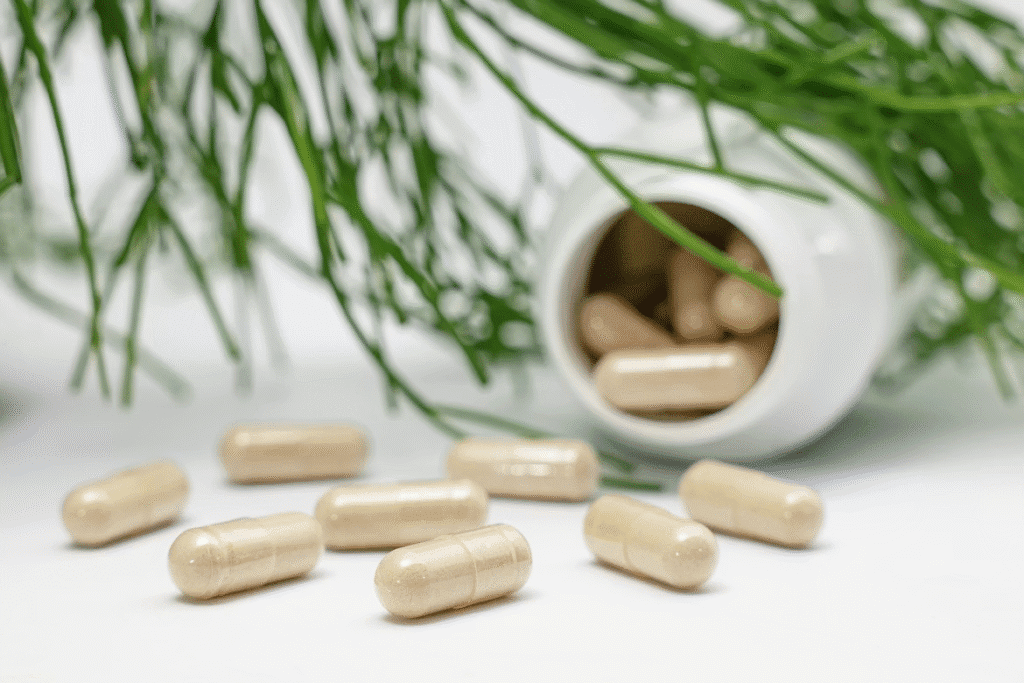
Melatonin supplements are among the most popular natural sleep aids. Your brain naturally releases this hormone about four hours before you feel sleepy, triggered by reduced light exposure. However, light from phones, laptops, and televisions can suppress this release and make falling asleep difficult.
When using melatonin, consistency matters. Because supplements are not regulated by the FDA, dosages and ingredients can vary between manufacturers. Stick with one brand to maintain consistent results.
Drinking Sleep-Promoting Beverages
Several beverages can help prepare your body for sleep without the side effects of medication.
- Warm milk contains compounds associated with tryptophan, a chemical building block for serotonin that plays a role in the sleep-wake transition. Beyond its chemical properties, the ritual of drinking something warm before bed can signal to your body that sleep time is approaching.
- Chamomile tea has been used for centuries as a calming remedy. The herb contains flavonoids that may interact with brain receptors involved in relaxation and the transition to sleep.
- Tart cherry juice is a natural dietary source of melatonin. Unlike sweet cherry varieties, tart cherries can raise melatonin levels in the body and may help you sleep more soundly and for longer periods. A glass about an hour or two before bed may prove helpful.
Using Calming Herbs and Supplements
Several herbs have traditional uses as sleep aids, though individual results vary.
- Valerian root has been used for hundreds of years to address sleep difficulties. It acts as a mild sedative and may reduce anxiety that interferes with sleep. Unlike some pharmaceutical options, valerian typically does not cause morning grogginess. Using it consistently over several weeks appears to be more effective than occasional use.
- Lavender offers a non-ingestible option. Inhaling lavender essential oil may help reduce tension and improve mood, supporting better conditions for sleep. You can use it in a diffuser, apply diluted oil to your pillow, or add it to a warm bath before bed.
- Magnesium supports sleep quality and is found in nuts, seeds, and leafy greens. Many people do not get adequate magnesium through diet alone, making supplementation an option worth considering.
Creating an Optimal Sleep Environment
Your bedroom environment directly affects sleep quality. Sleep quality is influenced by temperature, and a cool room—typically 60 to 67°F—helps facilitate the body’s normal nighttime temperature drop.
Light management is equally important. Even small amounts of light can interfere with melatonin production. If you need to get up during the night, use a flashlight rather than turning on overhead lights, as this disrupts your sleep cycle less. It may take up to 30 minutes to fall back asleep after waking, which is normal.
Consider sleeping in layers so you can adjust your temperature throughout the night without fully waking.
Incorporating Regular Exercise
Physical activity improves sleep, though timing matters. Aerobic exercise releases endorphins—chemicals that increase alertness and energy. While this response benefits you during the day, it can interfere with sleep if you exercise too close to bedtime.
Aim to complete workouts at least two hours before you plan to sleep. This gives your body time to wind down and allows your core temperature to return to normal. Morning or afternoon exercise tends to produce the best sleep benefits.
Considering Safety and Effectiveness
While these remedies are natural, they are not without considerations. Supplements like valerian and melatonin should be discussed with a doctor, especially if you take other medications. Pregnant or breastfeeding women should avoid melatonin, as should those with autoimmune disorders, seizure disorders, or depression.
Because supplements are not regulated like prescription drugs, quality varies between products. Choose reputable manufacturers and start with lower doses to assess your response.
If these approaches don’t improve sleep, consulting a healthcare provider can help determine whether another cause or treatment should be considered. Natural sleep aids work best as part of a broader commitment to healthy sleep habits, not as a replacement for addressing the root causes of sleep difficulties.

The New Jersey Digest is a new jersey magazine that has chronicled daily life in the Garden State for over 10 years.