

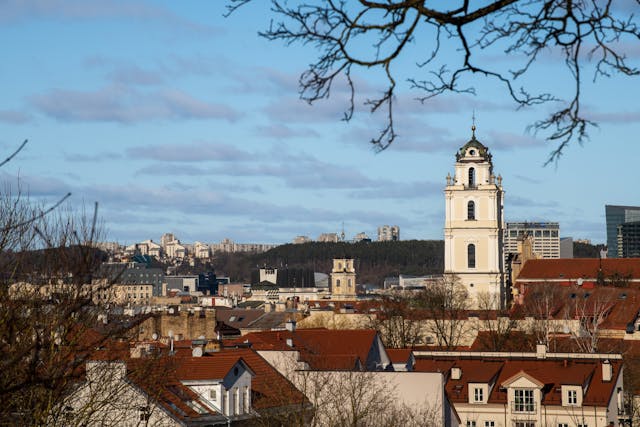

For many people with Lithuanian ancestry, the idea of obtaining a European passport begins as a practical thought—better mobility, access to the EU, and more flexibility for work or education.
But once families start exploring their eligibility, the journey often becomes something much deeper.
A lithuanian passport is not simply a travel document. For descendants of Lithuanian emigrants, it often represents the legal restoration of family history, identity, and rights that were interrupted by war, migration, or political upheaval generations ago.
In that sense, the process is less about “getting a passport” and more about reclaiming continuity.
A Connection Rebuilt Through Generations
Many families across the United States, South Africa, Israel, Canada, and the UK have roots in Lithuania through grandparents or great-grandparents who emigrated during the 20th century.
For decades, those family stories may have existed only in fragments:
- old photographs
- letters in another language
- remembered surnames
- stories about Vilnius, Kaunas, or small villages
- immigration documents
- faded passports
Today, those fragments are often enough to begin rebuilding a formal legal connection.
The process encourages families to rediscover forgotten branches of their history, often leading to deeper research into archives, migration routes, and lost records.
For many applicants, this turns into a meaningful personal project that reconnects generations.
Why European Access Is Still a Major Driver
Of course, the practical value remains significant.
A Lithuanian passport provides access to one of the strongest mobility frameworks in the world through EU citizenship rights. This can open opportunities for:
- residence across the European Union
- work and business expansion
- university access
- long-term family relocation options
- simplified travel throughout Europe
For globally mobile professionals and entrepreneurs, this creates strategic flexibility that can last for generations.
That’s why many families begin by exploring the broader citizenship and document restoration process through resources such as https://www.lithuaniancitizenship.com/.
The Real Challenge Is Documentation
The biggest challenge is rarely eligibility itself—it is proof.
Families often underestimate how important it is to gather records while older relatives are still available to help identify names, towns, or migration timelines.
Even small details can become critical:
- alternate surname spellings
- original Lithuanian surnames
- date of departure
- military service history
- old citizenship papers
- pre-war residence records
Waiting too long can make this process harder, especially when family memory begins to fade.
The smartest approach is to start collecting evidence early, even before making a formal decision.
A Long-Term Asset for Future Generations
One of the strongest reasons people pursue Lithuanian citizenship is the intergenerational benefit.
This is not only about today’s applicant.
It can create long-term advantages for children and grandchildren, giving future generations access to education, work opportunities, and European residency rights that might otherwise be unavailable.
More importantly, it preserves a part of family identity that history may have disrupted.
In many cases, reclaiming Lithuanian citizenship is ultimately about restoring what was always part of the family’s story—it simply needed to be formally recognized again.