



Nobody really mourns it. That old cardboard box shoved under your parents’ bed — stuffed with blurry Kodak prints, a birthday card from 1997, and at least one photo where someone blinked at the exact wrong moment — is functionally gone. Irrelevant. People have moved on, and digital memory books are sitting right at the center of that shift. It’s not a trend pushed by people who’ve never held a physical photo album.
It’s a practical response to how genuinely messy physical film photography has always been. You lose things. Photos fade. Albums sit in closets for fifteen years untouched. And then someone’s grandmother passes away, and the whole family realizes they have maybe nine photos of her — stored in a box that got wet in the garage sometime around 2011. That’s the problem digital tools are quietly solving, often for families who didn’t realize how much they needed the solution until it was almost too late.
What Is a Digital Memory Book, Exactly?
More than a photo album. Way more. A digital memory book can hold videos, voice recordings, written notes, and designed layouts that actually reflect a personality — not just a generic serif-font cover that says “Memories” in gold lettering. Platforms like Canva, Chatbooks, and Artifact Uprising each do versions of this.
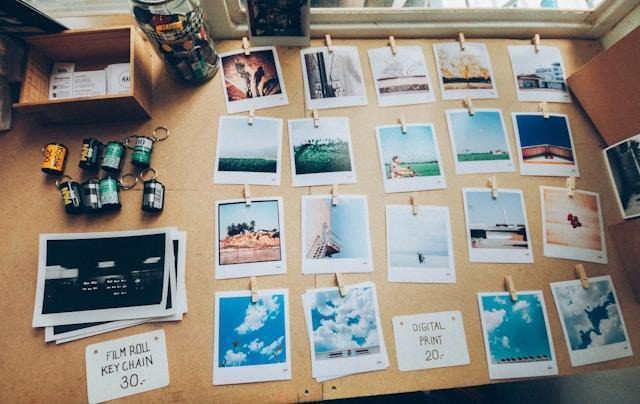
Some are polished and print-ready. Others are cloud-based, shareable, and built to grow over time rather than sit static on a shelf. You can make something that looks like a coffee-table book from a boutique publisher, or something that reads more like a private journal with photos attached. Either way, it doesn’t collect dust — it lives somewhere accessible, always available, and actually usable, which is more than most physical albums managed across their entire lifespan, shoved in someone’s hallway closet.
Virtual Scrapbooking: A Creative Twist
This is where it gets genuinely interesting. Virtual scrapbooking — building designed, layered pages from photos, stickers, typography, and graphic overlays — has developed its own community, its own aesthetic, and a real learning curve if you want to do it properly. It is not just photos arranged in a grid.
If you’ve spent any time on Cottagecore TikTok or craft-focused YouTube channels, you’ve seen what people build using Pic-Collage or Canva’s more advanced features. Custom color palettes. Illustrated overlays. Pages that look like something out of a zine rather than a preset template. Traditional scrapbookers will argue the physical version has a tactile quality no screen replicates — and honestly, they’re not wrong.

But virtual scrapbooking offers something paper doesn’t: infinite undo, no dried glue, and zero emergency trips to Michaels because you’ve run out of the right shade of cardstock. After digitizing your physical pictures with Capture, you can re-arrange them and try out new concepts and layouts to your heart’s content — without fear of damaging the original photos.
But virtual scrapbooking offers something paper doesn’t: unlimited edits, no mess, and no last-minute supply runs. Once you digitize your physical photos using the Capture mail-in photo scanning service, you can reorganize them, test new designs, and refine layouts freely — all without touching the original prints.
Communities have built up around this practice — Reddit threads, dedicated Facebook groups, YouTube tutorials pulling millions of views. Among younger creators, digital memory books assembled with this level of intentionality have become a real form of creative expression. Not a weekend hobby. A practice.
Convenience Is the Hook, but It Is Not the Whole Story
Yes, it’s easier. Obviously. No printing fees, no storage concerns, no album spine cracking after three years on a shelf. Back everything up through iCloud or Google Photos and a house fire doesn’t erase thirty years of your life. That part is real and significant. But convenience alone doesn’t explain why people spend actual hours on these things — choosing layouts, rewriting captions three times, agonizing over fonts for a 2019 road trip album nobody specifically asked them to make.
The reason people keep coming back isn’t just ease. It’s that digital tools make memory-keeping feel worth doing. Previously? It didn’t. Sorting through 4,000 camera roll photos to print a 40-page album that costs $80 and ships in three weeks is not something most people actually follow through on. But opening Canva on a slow Thursday evening and pulling twenty photos into something decent? That happens. Often. Repeatedly. The friction that made memory-keeping feel like a seasonal chore is mostly gone — and removing friction changes behavior faster than any product launch ever could.
Sharing is instant, too. Drop a link. Done. No “did you get the album I mailed?” texts arriving six weeks later.
Why Younger Generations Are Leading the Trend
They grew up documenting everything. Instagram Stories. Endless TikTok clips. Snapchat’s “Memories” feature auto-builds highlight reels without anyone requesting it. The instinct to capture and curate daily life was wired into Millennials and Gen Z before it required a conscious decision, so the move toward more intentional digital albums isn’t some dramatic behavioral shift — it’s just a natural extension of what they already do.
There are Tons of Options
You’ve probably seen it in your own circle: the friend who built a digital baby book instead of buying a printed one, or the sibling who dropped a shared album link with destination wedding photos into the family group chat. Thankfully, the tools are cheap enough now — often free — that cost isn’t a real barrier anymore.
Worth noting, though: younger people aren’t only doing this for themselves. They’re building collections for older family members too — converting decades of old photos into organized albums, creating tribute books, filling the gaps that physical albums left behind. The audience for this trend keeps expanding in directions nobody fully predicted.
This Isn’t Going Backward
The momentum is real, and it isn’t stopping. Digital memory books have cleared the novelty phase — they’re standard now, across generations, income levels, and use cases that keep multiplying in ways nobody expected. Fortunately, the tools keep improving. The emotional reasons to use them keep stacking up. And the old alternative — the shoebox, the dusty album, the stack of printed photos nobody opens — gets harder to justify every year. So just start one. Pick a platform, pull twenty photos off your phone, and begin. The version you make today becomes something someone else will be genuinely grateful for later.

The New Jersey Digest is a new jersey magazine that has chronicled daily life in the Garden State for over 10 years.