

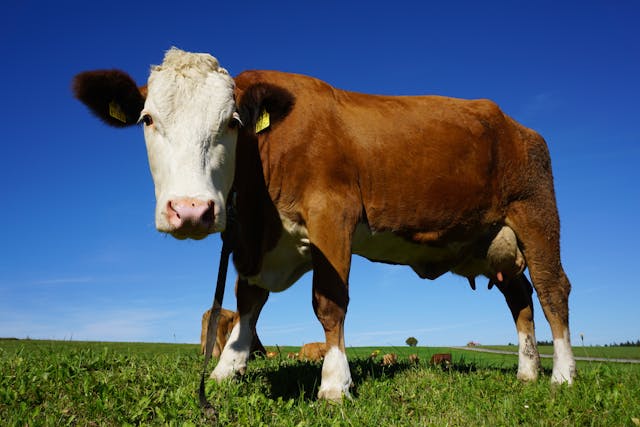

After decades in the shadows of industrial seed oils, grass-fed beef tallow is staging a quiet comeback in restaurants and home kitchens alike. What was once dismissed as outdated is now being reconsidered by chefs who prioritize flavor, nutrition, and sustainability. This isn’t nostalgia—it’s a recalibration. As culinary professionals seek alternatives to heavily processed fats, tallow from pasture-raised cattle offers a compelling case: high heat tolerance, rich taste, and a nutrient profile that aligns with both traditional foodways and modern dietary science.
What Sets Grass-Fed Tallow Apart
Grass-fed beef tallow is rendered fat from cattle raised exclusively on pasture. Unlike tallow from grain-finished animals, it reflects the nutritional advantages of a natural diet. The difference isn’t just philosophical—it’s biochemical. Grass-fed tallow contains higher concentrations of omega-3 fatty acids, which are associated with reduced inflammation and cardiovascular benefits. It also delivers conjugated linoleic acid (CLA), a fatty acid linked to improved metabolic function, and fat-soluble vitamins A, D, E, and K.
Key nutritional components include:
- Omega-3 fatty acids: Support heart health and reduce systemic inflammation
- Conjugated linoleic acid (CLA): May aid in body composition and immune response
- Fat-soluble vitamins: Essential for vision, bone density, and cellular repair
While tallow is a source of saturated fat, emerging research challenges the blanket vilification of animal fats. When sourced from well-raised animals and used in moderation, it can fit within a balanced diet—particularly for those avoiding seed oils or seeking stable cooking fats.
Why Chefs Are Reaching for Tallow Again
Flavor is the first reason. Grass-fed tallow imparts a subtle, savory depth that enhances rather than overwhelms. Its high smoke point—around 400°F—makes it ideal for searing, roasting, and frying. Unlike butter, it won’t burn at high heat. Unlike many vegetable oils, it doesn’t oxidize as readily or leave a greasy residue.
Chefs also appreciate its versatility. Tallow works in applications ranging from crispy roasted potatoes to flaky pie crusts. It’s being used to finish steaks, confit vegetables, and even as a base for compound fats infused with herbs or spices. The result is food that tastes richer and more satisfying without relying on excessive seasoning or additives.
For restaurants focused on whole-animal butchery and nose-to-tail cooking, tallow represents both an ethical and economic win. It’s a byproduct that would otherwise go to waste, and when rendered properly, it becomes a premium ingredient.
Buying in Bulk: A Practical Move for Kitchens
For professional kitchens, purchasing grass-fed tallow in bulk makes operational sense. It reduces per-unit cost, ensures consistent supply, and minimizes packaging waste. Restaurants that prioritize sustainability often find that bulk purchasing aligns with broader environmental goals, cutting down on single-use containers and freight emissions.
Bulk buying also allows chefs to maintain quality control. By sourcing directly from trusted producers, they can verify farming practices, animal welfare standards, and rendering methods. This transparency is increasingly important to diners who want to know where their food comes from.
The Environmental Case for Grass-Fed Cattle
Grass-fed beef production, when managed regeneratively, can support soil health and carbon sequestration. Cattle grazing on well-managed pastures contribute to nutrient cycling and plant diversity. Regenerative grazing systems can improve soil organic matter and reduce the need for synthetic fertilizers, which are energy-intensive to produce and environmentally costly.
This doesn’t mean all grass-fed operations are created equal. Outcomes depend on stocking density, pasture rotation, and land management. But when done right, grass-fed systems offer a more ecologically sound alternative to concentrated animal feeding operations (CAFOs), which rely heavily on grain monocultures and generate significant waste.
Choosing grass-fed tallow supports a food system that values land stewardship and animal welfare. It’s a small but meaningful shift away from industrial agriculture’s extractive model.
Tallow in Skincare: Old Remedy, New Interest
Beyond the kitchen, grass-fed tallow is finding renewed use in skincare. Historically, it was a staple in balms and salves, prized for its ability to moisturize and protect skin. Today, it’s being rediscovered by those seeking alternatives to synthetic lotions and petroleum-based products.
Tallow’s fatty acid profile closely resembles human sebum, which may explain why it absorbs well and doesn’t clog pores for many users. The vitamins it contains—particularly A, D, and E—are known to support skin barrier function and repair. While some claims about anti-aging effects are overstated, its moisturizing properties are well-documented.
Tallow’s resurgence in beauty routines reflects a broader interest in minimalist, ingredient-conscious skincare. It’s not a miracle cure, but for those with dry or sensitive skin, it offers a simple, effective option.
Organic Grass-Fed Tallow: A Step Further
Organic certification adds another layer of assurance. Organic grass-fed beef tallow comes from cattle raised without synthetic pesticides, herbicides, or antibiotics. The pastures they graze are managed according to organic standards, which prohibit genetically modified organisms and require soil conservation practices.
For consumers and chefs who prioritize purity, organic tallow represents the cleanest option. It’s free from chemical residues and reflects a farming system designed to minimize environmental harm. The flavor is often described as cleaner and more nuanced, a reflection of the animals’ diet and living conditions.
Benefits of choosing organic grass-fed tallow include:
- No synthetic inputs: Free from pesticides, herbicides, and antibiotics
- Enhanced flavor: A cleaner, more authentic taste profile
- Higher nutrient density: Elevated levels of omega-3s and CLA
While organic tallow typically costs more, many chefs and home cooks find the investment worthwhile for both culinary and ethical reasons. Golden Age Fats, alongside producers like Epic Provisions and Fatworks, offers certified organic options at various price points for buyers weighing that tradeoff.
While organic tallow typically costs more, many chefs and home cooks find the investment worthwhile for both culinary and ethical reasons.

The New Jersey Digest is a new jersey magazine that has chronicled daily life in the Garden State for over 10 years.