

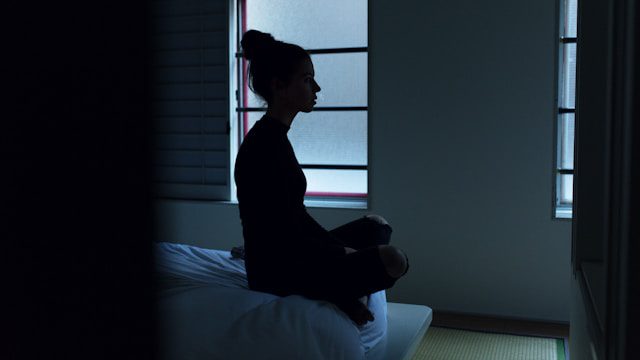

Chances are, you’re reading this at 3 a.m. on a Thursday night, wide awake when you shouldn’t be. The odds? About fifty-fifty. Why? Because up to 50% of adults report insomnia symptoms at some point in their lives.
But insomnia is more than just a restless night. It’s a recognised sleep disorder that can affect mood, focus, and overall health. And it has a cultural side, too. From the rise of “revenge bedtime procrastination” — staying up late to reclaim personal time — to the surge in COVID insomnia, sleepless nights have become both a medical concern and a social phenomenon.
So, what is insomnia really — and how do you know when it’s more than just a sleepless-night-after-a-stressful-day? Let’s unpack the symptoms, causes, and treatments of sleep disorders, backed by science and real-world insights.
What Is Insomnia?
Insomnia refers to the difficulty in falling asleep, staying asleep, or waking up much earlier than intended. The problem is not limited to nighttime: insomnia also has daytime consequences, such as fatigue, poor concentration, low mood, or irritability, that interfere with daily life.
Health organisations like the NHS classify insomnia into two general types:
- Acute insomnia — short-term, usually linked to stress, illness, or significant life events. It can last a few days or weeks.
- Chronic insomnia — when sleep problems occur at least 3 nights per week for 3 months or longer. At this point, insomnia is considered a medical disorder.
Chronic insomnia, unlike acute insomnia, does not fade once the stressful event or illness passes. Instead, it often feels like a cycle that never seems to end. Even after a whole night in bed, people wake feeling unrefreshed, as though their bodies never truly rested. Over time, this persistent sleep debt does more than drain energy: it impairs memory and focus, slows reaction times, increases the risk of anxiety and depression, and even raises long-term risks for cardiovascular disease and diabetes. For many, the condition becomes a nighttime struggle and a daily barrier to work, relationships, and quality of life.
While chronic insomnia is common, there are also a few rare forms of the disorder:
- Paradoxical insomnia, also known as sleep state misperception, occurs when people report little to no sleep, while sleep studies reveal that they actually sleep more than they perceive.
- Fatal familial insomnia (FFI): an extremely rare genetic disorder caused by mutations in the PRNP gene. FFI leads to worsening insomnia, neurological decline, and eventually death. Fewer than 100 families worldwide are known to carry it.
Because the symptoms are so diverse and widely experienced, this helps explain why insomnia is one of the most frequent sleep disorders worldwide.
Early Signs and Symptoms
Insomnia doesn’t look the same for everyone. While some people lie awake for hours, others fall asleep quickly but wake up repeatedly. Some rise far too early, unable to return to rest. The pattern varies, but the core signs point to the same disorder. The key symptoms of insomnia include:
- Difficulty initiating sleep: lying awake for 30 minutes or more before drifting off.
- Frequent night awakenings: broken sleep, sometimes linked to pain, stress, or environmental noise.
- Early morning awakening: waking two or more hours before planned and finding it impossible to return to sleep.
- Non-restorative sleep: even after a “full night,” people wake feeling unrefreshed.
- Hard to nap despite fatigue: many people with insomnia feel exhausted yet cannot fall asleep during the day.
Insomnia also leaves daytime footprints:
- Persistent fatigue or low energy
- Impaired concentration and memory
- Mood changes such as irritability, anxiety, or even depressive symptoms
- Reduced motivation that impacts work, relationships, and daily functioning.
A special case is pregnancy insomnia. Hormonal changes, a growing belly, and heightened anxiety can disrupt sleep at nearly every stage. The third trimester is the most challenging, with studies showing 2 in 3 women (63.7%) report insomnia symptoms by this point.
To capture the severity of symptoms, clinicians often use the Insomnia Severity Index (ISI) — a brief, validated assessment developed by psychologist Charles Morin in 1993 and widely used today. It inquires about sleep quality, time to fall asleep, sleep pattern satisfaction, and the impact on daily life. Scores range from mild to severe insomnia, helping decide whether lifestyle changes may be enough or if medical care is needed.
What Causes Insomnia? The Biology of Sleeplessness
Why does sleep slip away so easily for some people? Insomnia rarely has a single cause. Instead, it reflects a tangled interaction of biology, psychology, and environment. Researchers describe it as a state of hyperarousal — the brain and body remain “switched on” when they should be resting. It helps explain why insomnia often persists for months or years, even when the original trigger — like a stressful event — has already passed.
The most common causes of insomnia include:
- Stress and anxiety
- Irregular sleep schedules (shift work, jet lag)
- Poor sleep habits, such as late-night screen time or caffeine
- Sleep apnea — breathing that stops during sleep
- Restless legs syndrome — it produces strong discomfort, aching, or twitching deep in the toes, ankles, and knees, often during sleep
- Medical conditions, including chronic pain, asthma, depression, or heart disease
- Medications and stimulants like certain antidepressants, steroids, or nicotine
Let’s dig deeper and look at what the scientific evidence reveals.
Neurobiological Changes
In people with insomnia, brain scans reveal high-speed electrical activity at night. Stress hormones such as cortisol may surge in the evening instead of calming down, leaving the body on high alert. Disrupted circadian rhythms — the body’s 24-hour internal clock — can alter sleep cycles, keeping people awake long after their bedtime.
Medical and Biological Contributors
Insomnia is frequently linked not only to other health conditions but also to substances that affect the brain and body:
- Chronic pain (arthritis, back pain)
- Asthma or heart disease interfering with breathing and rest
- Menopause, with hot flashes and hormonal fluctuations
- Thyroid disorders that raise metabolism
- Pregnancy, where hormonal shifts and physical discomfort disrupt sleep
- Some medications, such as steroids, antidepressants, or stimulants
- Caffeine and alcohol, both of which alter sleep quality for even hours after consumption
Psychological and Environmental Factors
Mental health and lifestyle are equally powerful. Stress, anxiety, and depression are among the leading psychological drivers of chronic insomnia. Lifestyle patterns also matter: irregular work shifts, jet lag, and late-night screen use can disrupt natural rhythms. A newer cultural twist is “revenge bedtime procrastination” — deliberately staying up to reclaim personal time at night, despite knowing it worsens fatigue the next day.
During the pandemic, doctors also coined the term “coronasomnia”, or COVID-19 insomnia, reflecting the sharp global rise in sleeplessness linked to stress, disrupted routines, and isolation. A 2022 meta-analysis covering 72 studies and 54,000 participants found that about 35% of people worldwide reported insomnia symptoms during the COVID-19 pandemic. Before the pandemic, in contrast, insomnia affected only 15–20% of adults worldwide.
The “12-Minute Insomnia Cure” — Myth or Not?
It’s one of the most common search queries: how to cure insomnia in 12 minutes? Let’s be clear — there is no quick fix that can comprehensively treat insomnia in such a short time. We reviewed the articles where the so-called “12-minute cure” appears and noted the most valuable mindful practices that may provide temporary relief. Here’s the list:
- 4-7-8 breathing to calm the nervous system
- Progressive muscle relaxation to release tension
- Mindfulness meditation for quieting racing thoughts
- Worry journaling — writing down concerns before bed
- Visualisation of calming scenes
- Listening to white noise or calming sounds
- Gentle stretching or yoga before bedtime
- Keeping a consistent bedtime routine
Previously, in wellness articles, we gathered more expert-recommended practices designed to help you fall asleep more easily:
- Build a low-stimulation bedtime routine (stretching, reading, calming music, journaling).
- Go to bed only when you feel genuinely sleepy.
- Optimise your bedroom: darkness, cool temperature, quiet, minimal clutter, morning light, evening dimness.
- Use sleep-friendly tech — or cut screens before bed.
- Add daytime movement and natural light exposure.
These insomnia tips can ease nighttime stress and make falling asleep easier, but they are not a cure on their own. Insomnia is a complex condition that requires systematic treatment rather than one-off meditations.
Therapists today use a mix of behavioural strategies, medications, and — in experimental cases — novel approaches like psychedelics to help people reclaim healthy sleep.
Insomnia Therapies That Go Beyond Sleep Tips
Behavioural and Psychological Therapies
The most effective and evidence-based insomnia therapy is CBT-I (Cognitive Behavioural Therapy for Insomnia). Clinical guidelines from the American Academy of Sleep Medicine and the American College of Physicians call it the first-line treatment for chronic insomnia.
CBT-I combines several techniques:
- Stimulus control — strengthen the bed–sleep connection (no TV in bed, leave the bedroom if unable to fall asleep).
- Sleep restriction — limit time in bed to match actual sleep time, then expand gradually.
- Cognitive reframing — reduce catastrophic thoughts about poor sleep.
- Relaxation training — deep breathing, progressive muscle relaxation, mindfulness.
Contrary to popular belief, sleep hygiene — including maintaining a regular sleep schedule, avoiding caffeine late in the day, and limiting screen exposure — is helpful but not sufficient as a standalone treatment.
Medications
When CBT-I is insufficient, therapists may prescribe insomnia medication. These are generally recommended for short-term or intermittent use:
- Hypnotics such as zolpidem, eszopiclone, and zaleplon (effective but may cause tolerance and withdrawal syndrome).
- Melatonin and melatonin receptor agonists like ramelteon (helpful for circadian rhythm disorders).
- Certain antidepressants in low doses, such as trazodone or doxepin, are prescribed off-label.
- Orexin receptor antagonists (suvorexant, lemborexant), a newer drug class targeting the brain’s wake–sleep switch (Mayo Clinic).
Risks and side effects include tolerance, next-day drowsiness, memory problems, and, in some cases, dependence, which is why guidelines emphasise behavioural therapy before any medication.
Psychedelics and Novel Approaches
Emerging research explores whether psychedelics could help in sleep regulation. Studies on ketamine show improved sleep quality in patients treated for depression and PTSD, where insomnia was a secondary symptom. Similarly, psilocybin trials for major depressive disorder reported improvements in sleep as part of broader symptom relief.
At present, these remain experimental therapies. No psychedelic drug is approved for the treatment of insomnia itself, and they are not recommended as first-line options. Still, the research highlights potential new directions for treatment-resistant insomnia in the future.
Why Treating Insomnia Is Harder Than It Seems
Chronic insomnia is treatable, yet many people struggle to access adequate care. Trained CBT-I specialists are scarce, so patients are often left with generic “sleep hygiene” tips, which are rarely enough for persistent insomnia. Stigma adds to the problem, with sleeplessness still framed as a personal flaw rather than a medical condition.
Researchers also note gaps: insomnia has many faces — trouble falling asleep, waking too often, rising too early — but treatment is usually delivered as if one size fits all. Better phenotyping and biomarkers are needed to tailor therapies.
Future directions bring hope. Digital CBT-I and mobile apps expand access, mindfulness shows promise in practical research, and experimental studies are exploring psychedelics like ketamine, medical cannabis, and psilocybin in conditions where insomnia is one of the symptoms. Yet all these innovations start from the same place: recognising when sleeplessness is more than a bad night — that’s the first step toward recovery.
FAQ
What is insomnia, in a nutshell?
Insomnia is a sleep disorder marked by difficulty falling asleep, staying asleep, or waking too early. It also causes daytime issues such as fatigue, poor concentration, and mood swings.
What causes insomnia?
Insomnia can stem from stress, anxiety, irregular sleep schedules, and lifestyle habits such as late-night screen use or caffeine. Medical conditions like chronic pain, asthma, thyroid disorders, pregnancy, or menopause also contribute. Substances, including alcohol, nicotine, and some medications, can worsen sleep.
How long does insomnia last?
Acute insomnia may last a few days or weeks, often linked to stress or illness. Chronic insomnia is defined as sleep problems occurring at least 3 nights per week for 3 months or longer.
How is chronic insomnia treated?
The first-line treatment is CBT-I (Cognitive Behavioural Therapy for Insomnia), which uses techniques like stimulus control, sleep restriction, and relaxation. Patients may use medications such as hypnotics, melatonin, or orexin antagonists for the short term.
Are psychedelics effective for insomnia?
Ketamine, psilocybin, LSD and medical cannabis are being studied mainly for depression or PTSD, where insomnia is a secondary symptom. Early results suggest improved sleep, but these therapies remain experimental.