

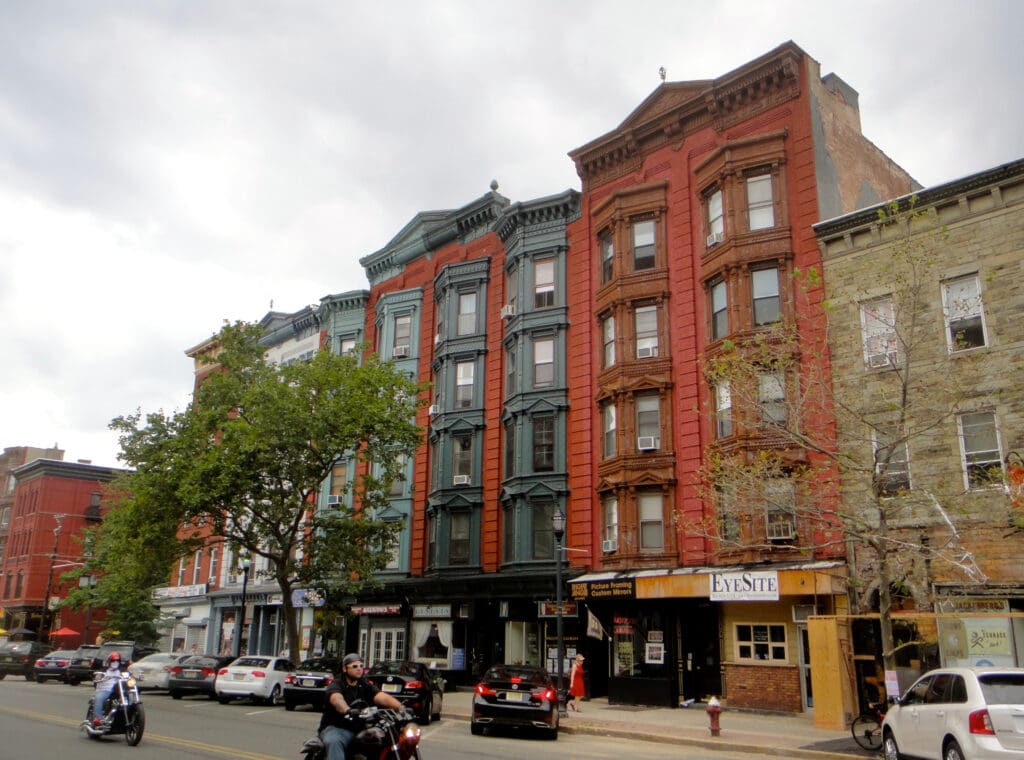

Walking Washington Street this week, an Instagram post from OnlyInHoboken captured what many of us have felt for months: too many dark windows and “For Lease” signs where there should be light, character and commerce. The post struck a nerve because Hoboken has always been a small-city ecosystem built on independent operators—baristas who know your order, boutique owners who remember your kid’s shoe size, restaurateurs who greet you by name and so on. When those storefronts go quiet, it’s more than an aesthetic problem; it’s a community health problem.
As an entrepreneur and publisher of New Jersey Digest, and as someone who helps brands grow online and offline, I see three forces converging: structural shifts in retail, a changing regional real-estate picture and a local pipeline that quietly suggests a rebound is possible if we act with intent.
The Macro: Retail is Reshaping, Not Dying
First, let’s zoom out. Post-pandemic retail is a barbell: experience-driven local brands on one end—big-box essentials and well-capitalized grocers on the other. The middle gets squeezed.
Across the Hudson, New York City’s storefront vacancy nearly doubled since 2019, a reminder that this isn’t just “a Hoboken thing”—it’s a regional reset driven by e-commerce, higher operating costs and the long tail of office disruption. When weekday foot traffic thins, so do impulse purchases. That reality spills into every Main Street within commuting distance of Midtown.
The Local Picture: Pain On Washington, Plus Real Projects in the Pipeline
Now, the good news you won’t see on a doom scroll: tangible, near-term investments are coming to Washington Street. The former Capital One site at 301–311 Washington is being redeveloped into a mixed-use building with five new ground-floor retail bays. It’s exactly the kind of multi-tenant format that diversifies risk and invites a curated mix of businesses and opportunity.
Further south, Whole Foods’ smaller-format Daily Shop concept was approved this spring to take over the historic bank/Walgreens location at 101–105 Washington. While chain grocery may not be everyone’s idea of “local flavor,” grocers anchor foot traffic all day. Think breakfast runs, lunch grabs and last-minute dinner missions. Good anchors lift neighboring independents if we make the sidewalk experience sticky.
On the north end, Urban Market opened in March at 1425 Washington—another signal that food-forward retail sees upside in Hoboken. Together, these moves suggest the corridor isn’t being abandoned; it’s being re-sorted. Our job is to shape how.
The Street Matters: Design and Operations Drive Sales
Hoboken recently completed a $19.5M Washington Street rehabilitation in 2019 which signals, bump-outs, safer crossings, bike lanes, green infrastructure, upgraded mains—the kind of unsexy stuff that makes a street desirable for customers and operators. That work won awards for a reason. But design is step one; day-to-day operations are step two. Loading windows, outdoor dining rules and enforcement all translate to: can a small business actually function here? Recent debates over loading-zone hours and ongoing tweaks to outdoor dining show how much the operating environment still matters.
New Jersey also made outdoor dining permanent in late 2024. That’s a competitive advantage if we keep it attractive, safe and simple to implement for independent businesses. Sidewalks that feel lively into shoulder seasons translate to longer dwell time and higher average tickets.
What’s Driving the Vacancies?
Let’s be honest, rents rose faster than many small operators’ margins. Construction and financing costs spiked, too. Fit-outs that used to be feasible now require six-figure checks before a single shot of espresso is pulled. And in a hybrid-work era, Monday through Thursday daytime sales are inconsistent. Add longer permitting timelines and a few large corner boxes designed for a 2010s bank branch and you’re left with a visible gap between tenants, even in a strong market.
But it’s not terminal. It’s solvable if landlords, the city and operators each move on what they control.
Community Role: Buy Like a Local, Act Like a Marketer
To residents and readers: every purchase you make is a vote for the version of Hoboken you want to see. Treat first visits like a test drive—follow them on Instagram, join the email list, leave a Google review and tell a friend. If you love a brand in Jersey City or Montclair, tag them and their broker, tell them Hoboken wants them. Social proof and inbound leads to close leases.
My Thoughts As a Business Owner
Empty storefronts are a problem; however, they’re also an opportunity. Washington Street has the bones, the proximity and the pipeline to return to its former bustling self. If we combine smart land-use, merchant-friendly operations and creative leasing models, we’ll trade papered windows for “Now Open” signs faster than cynics expect.
To our landlords: subdivide and simplify.
To City Hall: fast-track fit-outs and keep outdoor dining friction-light.
To neighbors: shop where your feet can get you.
Hoboken has always punched above its weight, but has dwindled over the years. Let’s bring it back—this time with a retail mix that looks like our community and lasts through the next cycle.

Tom is a lifelong New Jersey resident, Rutgers and FDU alumni and the publisher of The Digest.
