

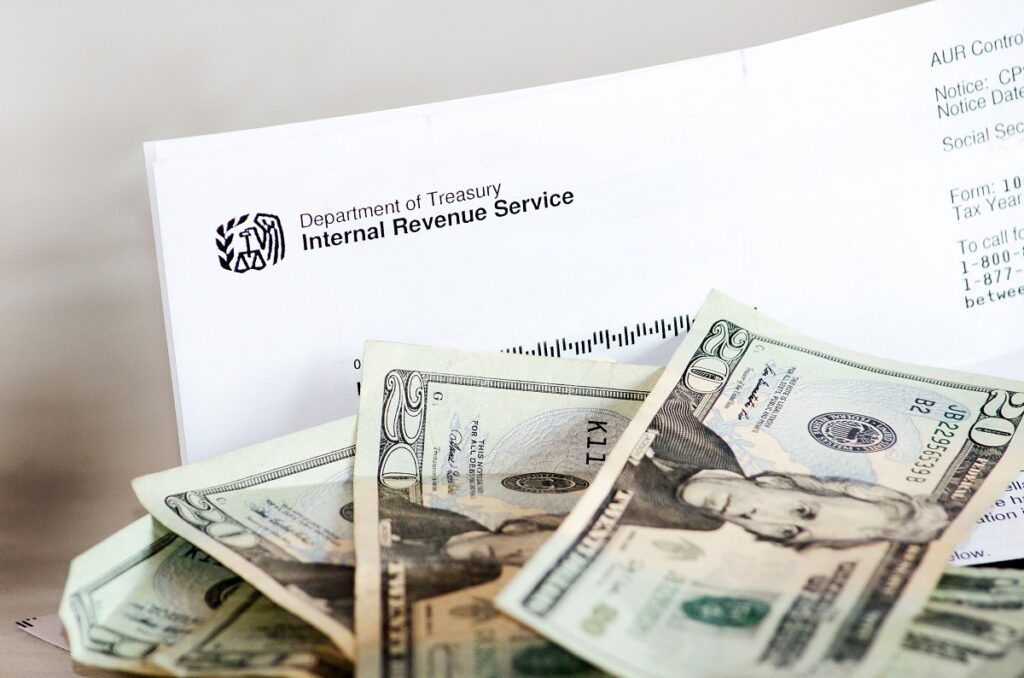

As the new year approaches, many people across the country are looking ahead to tax season with a mix of anticipation and uncertainty. Folks might have something positive to expect: what he describes as the most substantial tax refunds in history coming their way in 2026. This outlook stems from recent legislative changes pushed through by the current administration, which officials claim will put more money back into the pockets of everyday workers.
Government spokespeople have been highlighting how this measure is set to deliver bigger payouts when people file their returns early next year. For a lot of households still grappling with rising expenses and economic pressures, this could mean a welcome financial cushion. Yet, not everyone is on board, with some voices raising alarms about long-term consequences like ballooning federal borrowing and advantages skewed toward those already doing well financially.
The head of the Internal Revenue Service, Frank Bisignano, shared his thoughts during a recent appearance on a morning business show, emphasizing the potential upside for the average person. He suggested that over 94 percent of those in the middle-income brackets could see real gains, thanks to lower rates and ongoing perks from the new rules, according to a recent Newsweek post. This echoes sentiments from other key figures in the administration. For instance, the White House communications director mentioned expectations of an extra thousand dollars or so in many refunds, while the Treasury’s top official has talked up the possibility of significantly larger amounts overall.
These projections arrive at a time when public sentiment on economic matters remains divided. Surveys indicate ongoing worries about everyday costs, from groceries to housing. One recent national poll showed more than half of respondents expressing dissatisfaction with how the economy is being managed, with approval hovering below 40 percent. That data came from a sample of over 1,500 adults questioned just before the holidays, carrying a small margin for variability.
Independent analyses back up some of the optimism around refunds. A think tank focused on fiscal policy recently projected that the typical return could climb to about $3,800 in 2026, marking a noticeable jump from the prior year’s average of around $3,000. They attribute this to specific elements in the bill that adjust withholdings and credits in ways that favor filers.
On the flip side, detractors point to potential downsides. Progressive policy groups have critiqued the legislation for possibly driving up medical expenses for certain groups, based on their reviews from earlier this year. There’s also concern over the broader fiscal picture, with estimates from a nonpartisan organization suggesting the changes could swell the nation’s shortfall by trillions over time.
With the filing cutoff set for mid-April, the IRS is already advising everyone to start pulling together necessary paperwork. That includes details from financial institutions, employment forms, investment summaries, and even notes on any virtual currency dealings. Getting organized now could make the process smoother and help maximize whatever benefits are available.
As debates continue, this development underscores the ongoing tug-of-war between short-term relief and sustainable economic strategy. For many, the promise of a heftier check might provide a timely boost, but questions linger about who truly stands to gain and at what cost to the future.
This comes months after certain New Jerseyans received property tax relief checks, which reached roughly 300,000 in the state.

The New Jersey Digest is a new jersey magazine that has chronicled daily life in the Garden State for over 10 years.