

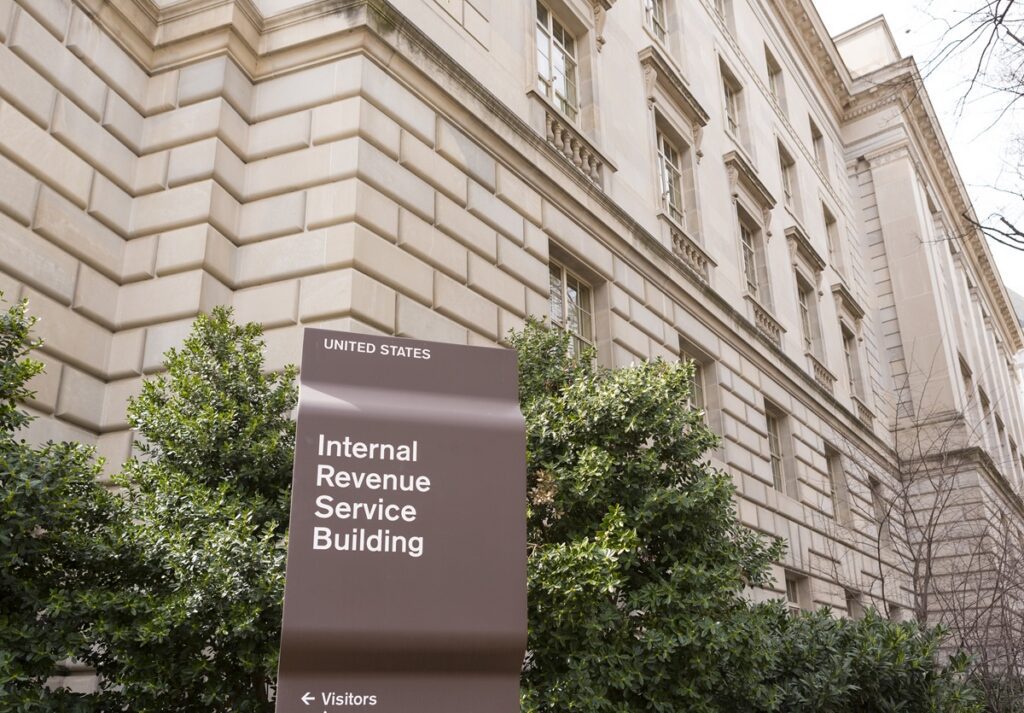

More than 830,000 taxpayers are waiting weeks or even months for their federal tax refunds as the IRS phases out paper checks and pushes filers toward electronic payments. For households that rely on mailed refunds, the change is creating delays that can stretch up to ten weeks.
For affected taxpayers, the delay reflects a policy shift rather than a simple processing backlog.
For most Americans, this is invisible. Direct deposit hits in nine days, the IRS congratulates itself on a smooth filing season, and life moves on. The agency has even said this year could see record-breaking tax returns filed nationwide, a sign that filing activity itself remains strong. But a significant slice of the country still relies on paper refund checks—not out of stubbornness or technophobia, but because the infrastructure that makes digital banking effortless for some people simply doesn’t exist for others. No bank account. No smartphone. No broadband.
In plenty of households across Essex County, Camden, Hudson, Atlantic—neighborhoods that have been underserved by traditional financial institutions for generations—a mailed check is not a preference. It’s the system.
And that system just got quietly dismantled.
Why Refunds Are Being Delayed
The IRS announced last fall that it was phasing out paper refunds as part of a broader federal push toward electronic payments. The logic is clean: direct deposit is faster, cheaper to process, harder to steal out of a mailbox. Nobody disputes any of that. The problem isn’t the destination. It’s who gets left standing at the back of the line while everyone else sprints to the finish.
What the agency is now asking of affected taxpayers is, on paper, simple: create an IRS online account, add your banking information, receive your refund electronically. For millions of people, that takes ten minutes. For others, it requires a bank account they don’t have, internet access they can’t afford, and a level of digital fluency that wasn’t required of them last year or the year before. The refund that once showed up in three weeks is now sitting in limbo—potentially for up to ten weeks—while they navigate a process designed for someone else’s life.
New Jersey makes this concrete in ways that a national average cannot. This is one of the most expensive states in the country, and the gap between households that live comfortably inside the banking system and those who operate through check cashers and money orders isn’t an abstraction here. It’s a fact of daily life in dozens of communities. For a family carrying that financial weight, a ten-week delay on a tax refund isn’t an inconvenience. It’s a missed rent payment. It’s a car repair that doesn’t happen, which means a job that becomes harder to get to, which means the next month is tighter than this one.
Tax refunds don’t function the same way for every household. For lower-income families—many of whom receive the Earned Income Tax Credit, a credit specifically designed to support working people—the annual refund is less a windfall than a financial pressure valve. It’s the moment when debt gets paid down, when the deferred repairs finally happen, when the budget exhales. A government that delays it for weeks while pursuing an administrative transition is, functionally, borrowing against that exhale.
The IRS says more notices are on the way. Tens of thousands more in the coming weeks. The number of people caught in this gap is likely to grow before it shrinks.
If your refund is being held, the agency recommends logging into IRS.gov, using the “Where’s My Refund?” tool, and adding direct deposit information if you’re able. Those are reasonable steps. The less reasonable thing is that affected taxpayers—many of them among the most financially vulnerable filers in the country—are being asked to move quickly and digitally through a bureaucratic process specifically because the government has decided to stop accommodating the way they’ve always done things.
What Taxpayers Can Do If Their Refund Is Delayed
- Check your refund status using the IRS “Where’s My Refund?” tool
- Create an IRS online account
- Add direct deposit information if possible
- Contact a tax preparer or IRS assistance center if identity verification is required
Modernization is not, in itself, a problem. But modernization that treats the people least equipped to adapt as acceptable casualties of the transition—that’s a problem worth naming.

Tom is a lifelong New Jersey resident, Rutgers and FDU alumni and the publisher of The Digest.
