

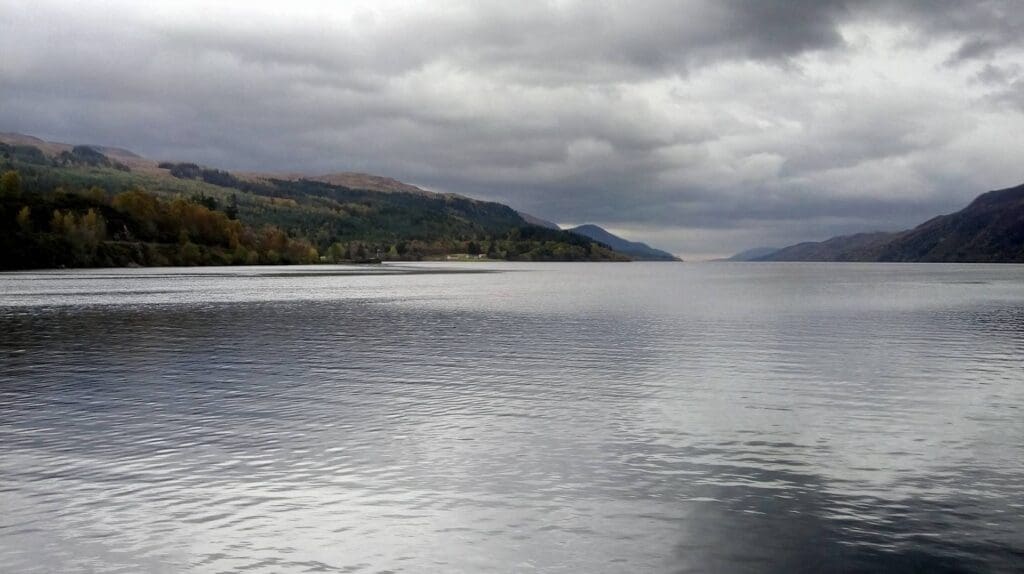
New footage recorded this week on a webcam overlooking Loch Ness appears to show evidence of a Loch Ness Monster sighting—at least according to the man who discovered it.
The webcam captured footage on Tuesday that appeared to show a dark shape rise above the surface of the water shortly after a tourist vessel passed through the frame. The object rose several feet before descending again, remaining visible for less than a minute in total. The event was captured on the Shoreland Lodges webcam, one of several cameras positioned around Loch Ness for public viewing.
The footage was first noticed by Eoin O’Faodhagain, a longtime Loch Ness Monster hunter based in Ireland. O’Faodhagain has logged more than two dozen sightings since 2018 and is one of the most consistent contributors to the Official Loch Ness Monster Register. His regular observations have made him a popular figure among other Nessie hunters and enthusiasts. The latest finding has drawn fresh attention from the community.
The most recent sighting adds to a long history of similar accounts at Loch Ness, where more than a thousand alleged encounters with Nessie have been recorded. The creature, often described as having a long neck and serpentine form, remains one of the most persistent legends in modern folklore.
In recent years, researchers have used sonar mapping and underwater microphones to search for signs of large aquatic life in the loch. Some recordings have detected deep, rhythmic pulses and large moving shapes, but no conclusive evidence has been found to date.
What Is the Loch Ness Monster?
The Loch Ness Monster, often called “Nessie,” is a mythical creature that allegedly inhabits Loch Ness, a deep, freshwater lake in the Scottish Highlands. The first references to a mysterious beast in the water date back to the Sixth Century.
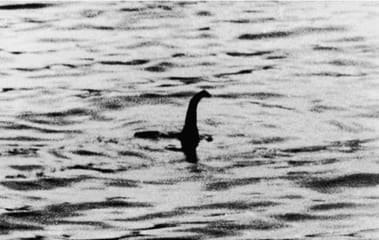
The modern-day Loch Ness craze began in the 1930s, when a series of supposed sightings and photographs captured attention worldwide. The most famous, called the “Surgeon’s Photograph,” was later revealed to be a hoax. Still, the photograph cemented Nessie’s place in pop culture.
In the years since, explorers and scientists have launched numerous expeditions using sonar, submarines and underwater cameras. None have produced definitive proof of the creature’s existence. Despite this, the legend of Nessie lives on—fueled by folklore and a community of dedicated enthusiasts who remain convinced that something unknown still lives beneath the surface of the loch.

The New Jersey Digest is a new jersey magazine that has chronicled daily life in the Garden State for over 10 years.
