

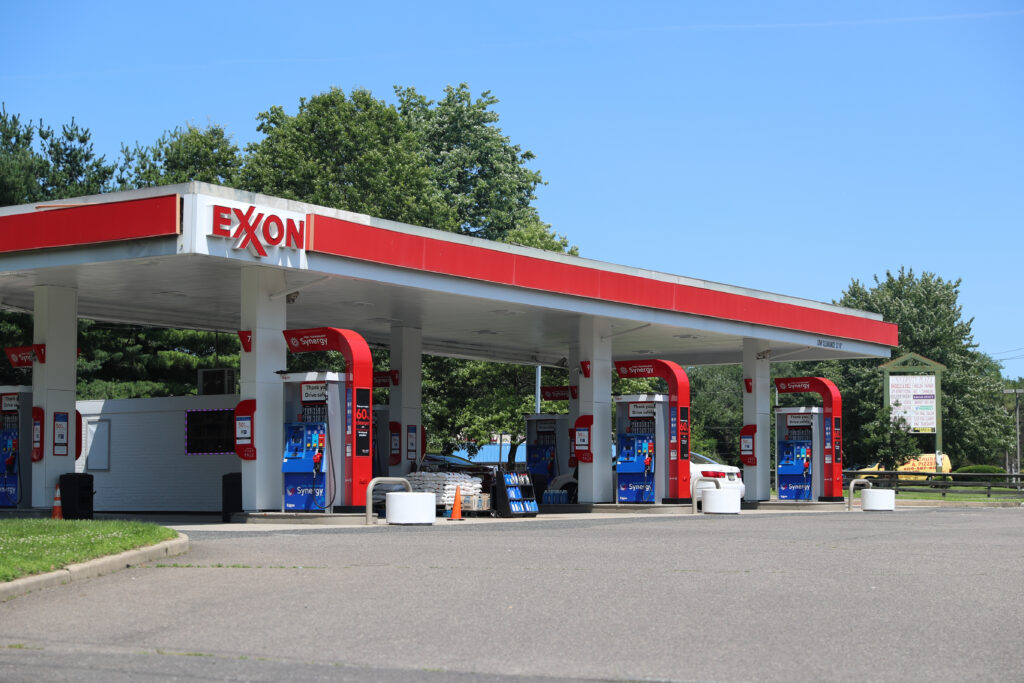

New Jersey drivers are paying more at the pump than they were a month ago, and the situation is showing no signs of improving.
The average price of a gallon of regular unleaded in New Jersey stands at $4.03 as of this week, according to AAA.
That’s up from roughly $3.60 just a month ago—and more than 80 cents above the national average of $3.19 from the same time last year. As oil prices surge back above $100 a barrel this week, analysts are warning that further increases are likely in the coming weeks.
For New Jersey residents already stretched thin by the cost of living, yet another hit to their wallets.
What’s Driving the Spike
The rise in gas prices is directly tied to disruptions in the global oil supply.
The Strait of Hormuz—a critical shipping corridor through which roughly 20% of the world’s oil travels—has been effectively shut down amid the ongoing U.S.-Iran conflict. You can read more about that in our coverage from last month.
Oil prices peaked near $120 a barrel at the height of the conflict—but dropped after a brief ceasefire was reached. However, following the collapse of peace talks over the weekend, crude has surged back above $103 a barrel. With the U.S. announcing a new blockade of Iranian ports, prices are expected to continue rising.
“With the U.S. not coming to agreement or terms with Iran, it is likely that the Strait will remain under their control and that oil prices and thus gasoline, diesel and jet fuel prices keep rising,” Patrick De Haan, head of petroleum analysis at GasBuddy, said this week.
What It Means for Your Wallet
The impact of rising oil prices goes well beyond the pump.
Goldman Sachs economists warned this week that rising gas prices will weigh heavily on consumer spending—particularly on cars and discretionary goods.
The firm lowered its U.S. consumption growth forecast for 2026 from just over 2% to 1.2%, and cut its GDP growth forecast by half a percentage point.
And consumer sentiment is already reflecting the strain. The University of Michigan’s Consumer Sentiment Index fell to a record low of 47.6 in early April—the lowest reading since the survey began in 1952—with respondents specifically citing rising gas prices as a primary concern for their wallets.
Grocery prices are also at risk of rising. The Strait of Hormuz is a major transit route for fertilizers, which have already spiked more than 40% from last year. As production costs rise, those increases are likely to be passed down to food prices at the store.
How New Jersey Compares
At $4.03 per gallon, New Jersey sits slightly below the national average of $4.13—and well below high-cost states like California ($5.89), Nevada ($4.98), Oregon ($4.99), and Washington ($5.39).
New Jersey residents who live near the state lines are best to stay in New Jersey for their gas. Neighboring Pennsylvania is slightly higher at $4.16, while New York matches the national average at $4.13.
Comparatively, New Jersey currently offers relative relief—but that gap could narrow if oil prices continue to climb.
What to Expect
There’s little optimism in the near-term forecast.
President Trump acknowledged over the weekend that gas prices could remain elevated or move “a little bit higher” through the fall. After Vice President JD Vance travelled to the Middle East for negotiations, peace talks between the U.S. and Iran broke down without a deal. What’s more, the new blockade of Iranian ports has added fresh uncertainty to global oil markets.
For New Jersey drivers, the math is straightforward: oil above $100 a barrel means gas above $4 at the pump. With no clear resolution in sight, budgeting for higher prices at the pump, and driving only when necessary, is the smartest move in the weeks ahead.

The New Jersey Digest is a new jersey magazine that has chronicled daily life in the Garden State for over 10 years.