

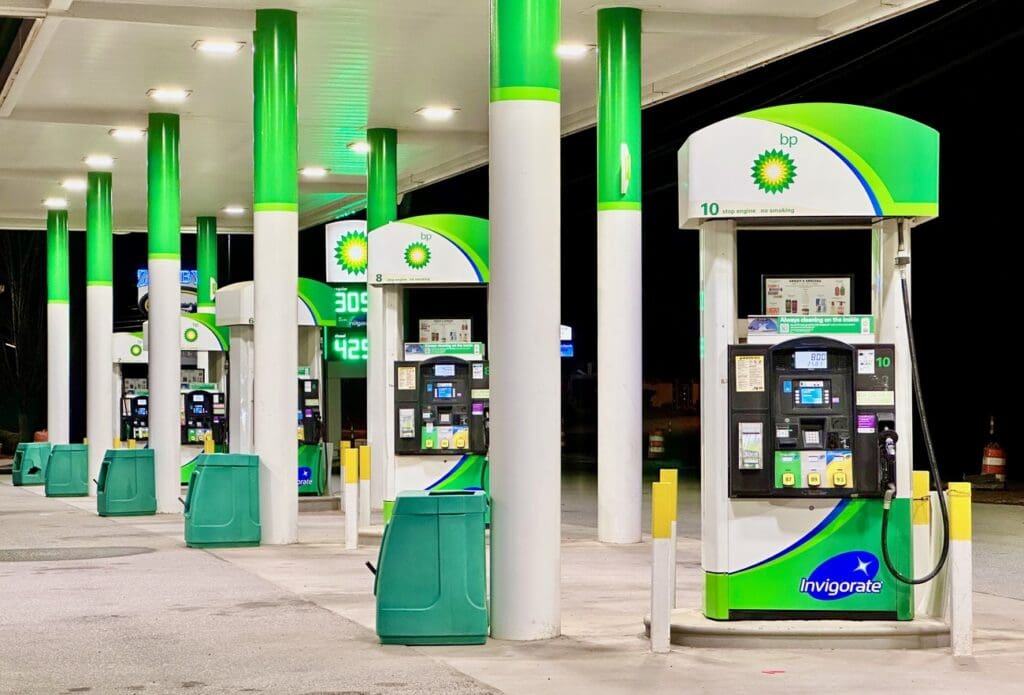

New Jersey’s gas tax will rise again on Jan. 1, adding a few more cents to every gallon driver’s pump in 2026.
The state Treasury Department announced that the combined per-gallon tax on gasoline will increase by 4.2 cents, bumping the total tax from 44.9 cents to 49.1 cents. Diesel fuel will rise by the same amount. The change takes effect January 1, 2026, and is required under New Jersey’s transportation funding law.
The increase comes from a formula tied to the Transportation Trust Fund, which pays for statewide road and bridge projects. The law requires New Jersey to hit a specific revenue target each year. If drivers buy less fuel or if revenue falls below the benchmark, the tax rate automatically adjusts upward the following year.
This year’s uptick is driven by lower than expected fuel consumption and the need to keep long term infrastructure projects funded.
What This Means at the Pump
A 4.2 cent jump may sound small, but it adds up quickly for people who rely on their cars.
A typical driver filling a 14 gallon tank will pay about 59 cents more every time they fuel up. Someone commuting five days a week could see several extra dollars a month added to their routine transportation costs.
For drivers who already feel squeezed by inflation, parking costs, and rising car insurance premiums, the new increase adds another expense to account for in 2026.
Why the Rate Goes Up Automatically
Unlike past gas tax debates that required legislative votes, this increase does not come from lawmakers. It is built into the 2016 law that overhauled New Jersey’s transportation funding system.
Under that law:
- The tax rate is recalculated annually by the Treasury.
- The state must bring in roughly $2 billion per year for the Transportation Trust Fund.
- If revenue dips, the tax rate rises the following year.
- If revenue exceeds expectations, it can remain flat.
This year’s adjustment ensures the fund stays on track without interrupting major road, bridge, and safety projects. According to the Treasury’s announcement, the updated rate is necessary to meet required funding levels.
What Drivers Can Expect Next Year
For now, the 4.2 cent increase is the only confirmed change tied to fuel costs in 2026. New Jersey’s gas prices will still fluctuate for the usual reasons such as oil markets, seasonal demand, and refinery maintenance, but the higher baseline tax will remain in place for the full year unless adjusted again next fall.
Tolls are also scheduled to increase in January, so many drivers will see higher costs on both fuel and travel as the new year begins.
Some drivers may not notice the change immediately because retail prices move daily. But as stations adjust their pricing heading into the first week of January, the increase will become more visible.
For many residents, especially commuters who fuel up often, the timing matters. January is already an expensive month and this adjustment will quietly push transportation costs higher.
The Bottom Line
New Jersey’s Transportation Trust Fund will continue receiving the revenue it needs for construction and repair projects statewide, but everyday drivers will feel a small hit starting next year. The increase is automatic, not optional, and reflects the ongoing cost of maintaining the state’s aging infrastructure.

The New Jersey Digest is a new jersey magazine that has chronicled daily life in the Garden State for over 10 years.