


New Jersey is set to receive nearly $150 million in federal funding to strengthen health care in rural areas. But there’s a catch: the money is coming from the same legislation that is expected to cost the state billions in Medicaid cuts.
State officials plan to use the funding through the Rural Health Transformation Program, a $50 billion nationwide initiative authorized by federal legislation signed by President Trump last summer. That same bill gutted federal dollars for Medicaid, food stamps, and other social services. Those cuts are projected to push hundreds of thousands of New Jerseyans off NJ FamilyCare in the years ahead.
The contradiction isn’t lost on state lawmakers. “So we have federal rural health funding coming in, but it seems fewer community health grants going out,” Sen. Douglas Steinhardt (D-Warren) said at a recent budget hearing, according to the New Jersey Monitor.
Where the Money Goes
The Department of Human Services will oversee $40 million of the grants this year, while the state Department of Health will administer an additional $107 million.
The Health Department is currently reviewing applications for nearly $28 million in sub-grants across four programs targeting preventative care, telehealth, workforce development, and rural hospital capacity.
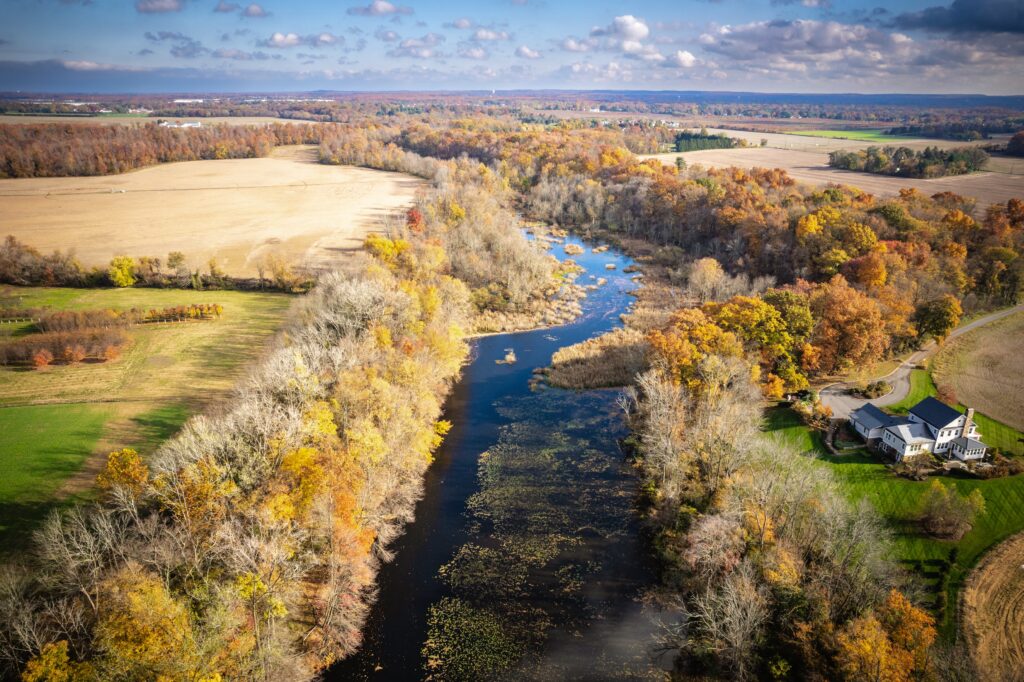
New Jersey is receiving roughly $1,000 per rural resident—one of the highest ratios in the country. Despite being the most densely populated state in the U.S., more than one million New Jersey residents live in areas defined as rural, spanning counties including Atlantic, Cape May, Cumberland, Hunterdon, Salem, Sussex, and Warren.
Why Rural NJ Needs It
Rural New Jersey faces higher rates of smoking, cancer, and substance abuse than the rest of the state, according to a report released by state officials.
Salem County’s lung cancer death rate is more than twice the state average. Cape May County’s substance abuse admission rate is nearly three times higher. Fewer doctors, limited public transit, and long travel times to specialists add to the problem.
In a budget season defined by immense health care cuts, the new funding is a rare bright spot. For rural communities already stretched thin, it could be a life saver.