

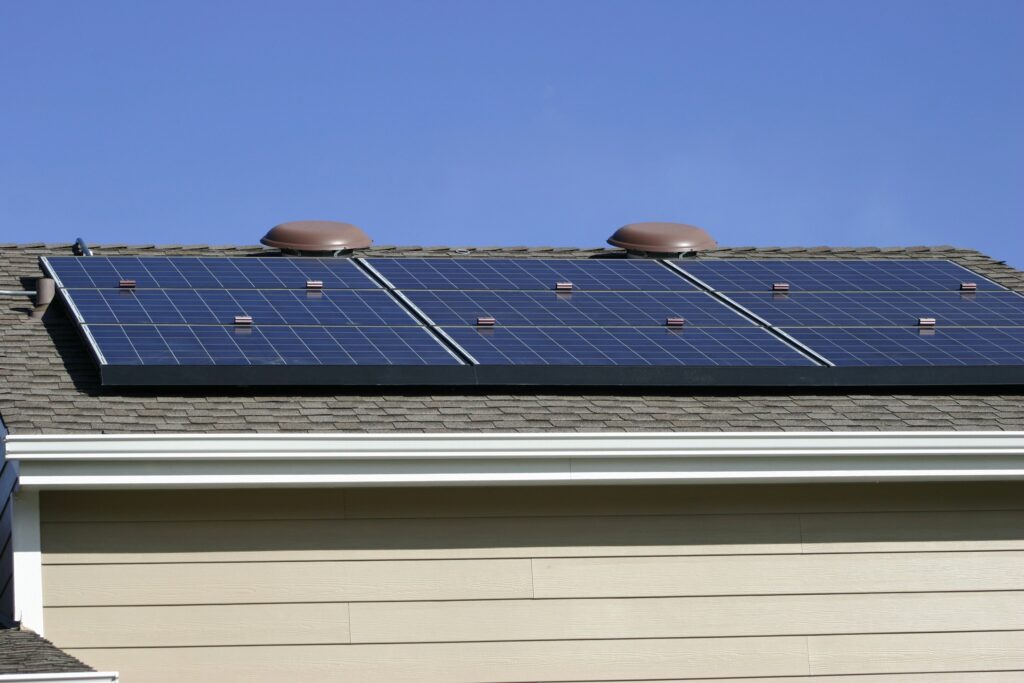

Amid Governor Sherill’s promise to freeze utility rate hikes, New Jersey is developing a Virtual Power Plant (VPP) program that could turn everyday solar panels, home batteries, and even EV chargers into a coordinated power grid.
The ultimate goal is to reduce peak electricity demand by 500 megawatts by 2030. That’s enough power to supply hundreds of thousands of homes across New Jersey during high-demand periods. It doesn’t require firing up extra powerplants to achieve it.
According to energy and utilities news outlet, Utility Dive, the proposed system works by linking distributed energy resources—like rooftop solar panels, residential batteries, and commercial storage—through third-party aggregators. These devices can feed energy into the grid when it’s needed, giving utilities a digital toolbox to manage electricity without relying solely on traditional power generation.
For homeowners, this isn’t solely about clean energy, though that is a perk of VPP. Devices like battery storage systems can earn pay-for-performance incentives during peak months, creating a direct benefit for homeowners who contribute to grid stability.
New Jersey has long relied on imported electricity, and rising rates have made consumers cautious. During the 2025 Gubernatorial election, utility prices remained one of the top issues for voters.
The VPP program aims to cut costs while boosting reliability. By targeting circuits with limited capacity, and using smart technology to coordinate energy flows, NJ hopes to accelerate solar and storage adoption faster than conventional infrastructure upgrades would allow.
The initiative was ordered by Governor Mikie Sherrill upon taking office in late January. Utilities will implement the program under rules set by the Board of Public Utilities, while third-party DER aggregators handle the direct control of customer resources. Development is expected over 180 days.
Experts say this approach could reshape energy use in New Jersey. Instead of adding more power plants, homes and businesses become active contributors to the grid. Demand drops, the system strengthens, and consumers are presented with a new way to save and earn.
By 2030, New Jersey’s virtual power plant could serve as a model for other states, showing how smart coordination of resources can replace costly upgrades.
The question now: will your rooftop solar or home battery one day help power the state?For more on New Jersey’s Virtual Power Plant initiative, visit the Board of Public Utilities.

The New Jersey Digest is a new jersey magazine that has chronicled daily life in the Garden State for over 10 years.