

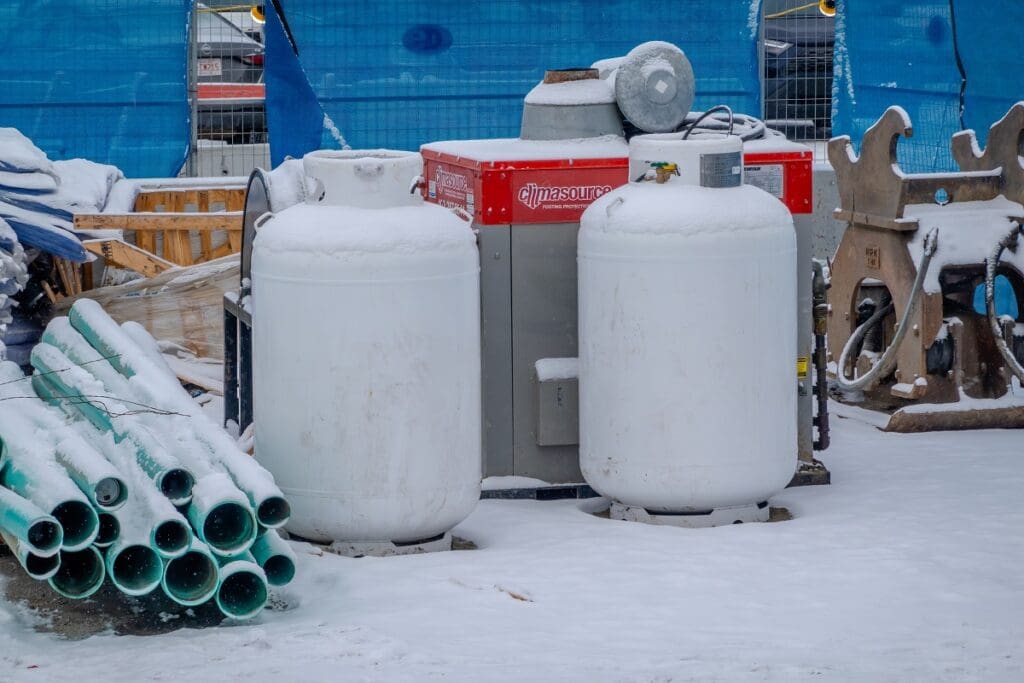

New Jersey will enter a State of Emergency at 9 a.m. Friday, Dec. 12, after state officials raised concerns about potential disruptions in propane deliveries used for home heating as cold weather continues across the region.
The declaration has a narrow scope. It applies only to propane used for residential and commercial heating, not propane used for grills or outdoor equipment. Homes that rely on natural gas or electricity will not see any changes.
What Caused the Concern
A power outage on Nov. 21 at a major propane refinery and industrial complex in Marcus Hook, Pennsylvania triggered the issue, according to the executive order. Although the facility remains open, operators have run it intermittently, disrupting the normal flow of propane into the region.
Those disruptions have increased wait times for delivery trucks and created congestion at propane terminals in New Jersey and nearby states. During winter, when heating demand rises and timing becomes critical, those delays create real challenges for households that depend on regular refills.
Who Is Affected
About 186,000 New Jersey residents rely on propane as their primary source of home heating. These households appear most often in areas without natural gas infrastructure, including parts of rural and semi-rural New Jersey.
Homes that use propane typically rely on large on-site tanks that delivery trucks must refill. During extended cold spells, heating systems often run continuously, which means even short delivery delays can quickly become urgent.
Most New Jersey households do not fall into this category.
What the Emergency Order Changes
The State of Emergency allows New Jersey to temporarily ease federal trucking restrictions for vehicles that deliver residential heating propane. Under the exemption, drivers hauling propane for home heating can work longer shifts, giving suppliers more flexibility to complete deliveries during peak demand.
State officials said they issued the order to get ahead of potential problems, not to respond to an active fuel shortage.
“As temperatures continue to drop, ensuring that every person has access to a safe, warm environment is essential,” Gov. Phil Murphy said when announcing the declaration.
Consumer Protections Included
The order also gives consumers some protection. During a State of Emergency, companies are not allowed to take advantage of the situation by sharply raising prices on essentials like heating fuel. Those limits stay in place for 30 days after the emergency ends.
What Propane Users Should Do
Residents who heat with propane should monitor tank levels closely and schedule deliveries earlier than usual. The state directs impacted households to ready.nj.gov for updates and safety information and to NJ211 for help locating assistance resources or warming centers.
Officials also reminded residents who use generators to follow standard generator safety guidelines.
How Long It Lasts
The State of Emergency will remain in effect until state officials determine that delivery conditions have stabilized.

The New Jersey Digest is a new jersey magazine that has chronicled daily life in the Garden State for over 10 years.