

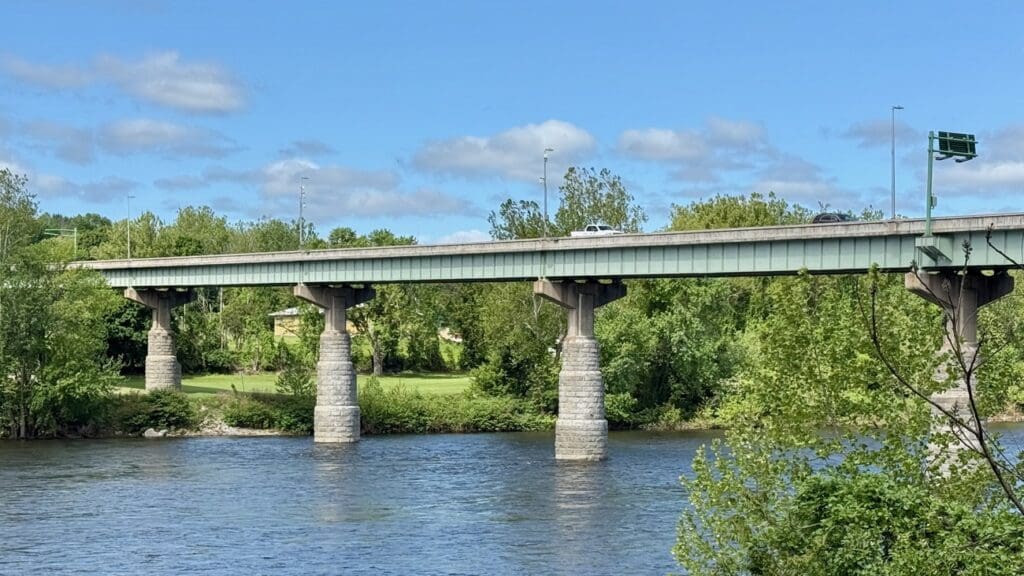

Eight of the busiest bridges linking New Jersey and Pennsylvania will cost more to cross starting in early 2026, and the increase will hit thousands of Garden State commuters who travel over the Delaware River every day. The Delaware River Joint Toll Bridge Commission approved a new rate structure that takes effect on or about Jan. 1, 2026, raising tolls on all eight of its toll bridges.
For a lot of New Jersey drivers, especially people in Mercer, Hunterdon, Warren and Sussex counties, these crossings are part of the daily routine. The morning drive over the Scudder Falls Bridge or the evening line of brake lights on I-80 through the Delaware Water Gap isn’t new. What is new is how much each trip will cost next year.
What’s Changing
For regular cars, the cost with E-ZPass rises from $1.50 to $2. That’s the price most drivers will see at the Scudder Falls, Trenton-Morrisville, I-78, Easton-Phillipsburg and New Hope–Lambertville bridges.
The jump is even bigger for anyone still relying on Toll-by-Plate. The commission approved a rate of $5 per crossing for the same vehicle class. That’s more than double what many drivers pay now. The agency says the higher Toll-by-Plate cost reflects added billing expenses and is meant to push more people toward E-ZPass.
Larger vehicles face steeper increases. For vehicles over eight feet high or with multiple axles, the 2026 rate climbs to $6.50 per axle for E-ZPass and $8 per axle for Toll-by-Plate. Commercial drivers and small business owners who rely on these river crossings every day will notice the change quickly.
The Eight Bridges Affected
All eight toll bridges run by the DRJTBC are included:
- Trenton–Morrisville (US 1)
- Scudder Falls (I-295)
- New Hope–Lambertville (US 202)
- I-78 Toll Bridge
- Easton–Phillipsburg (US 22)
- Portland–Columbia (Routes 611/46/94)
- Delaware Water Gap (I-80)
- Milford–Montague (US 206)
For New Jersey residents, the Scudder Falls and I-78 bridges are among the busiest routes for cross-state work commutes, especially for people heading into Bucks or Lehigh Valley.
Why the Rates Are Going Up
The commission says the hikes are tied to rising construction and maintenance costs, long-term investment in major infrastructure projects and the need to protect the agency’s bond rating. Inflation in the construction industry has pushed up the price of basic materials and labor, and the agency says their capital program depends on maintaining a “strong, stable financial position.”
DRJTBC’s network includes bridges that date back decades and require continuous upkeep. Future projects—including structural repairs, pavement work, painting and long-term modernization—are part of the justification. The agency also noted that toll adjustments were last made several years ago.
What It Means for NJ Drivers
An extra 50 cents each way may not sound like much, but regular commuters know the math adds up fast. A driver crossing the Scudder Falls Bridge twice a day, five days a week, will pay about $20 more per month with E-ZPass. For Toll-by-Plate, the difference is far larger.
Families who cross occasionally for shopping, dining or weekend trips to Pennsylvania will feel it too. And for small business owners—contractors, delivery drivers, landscapers—the per-axle increases could affect monthly budgets.
The Bottom Line
If you regularly cross into Pennsylvania, E-ZPass becomes almost essential in 2026. It won’t eliminate the increase, but it will prevent the much higher $5 Toll-by-Plate cost. With the new rates set to arrive in January, drivers still have a little time to prepare and adjust before the changes take hold.
The New Jersey Digest is a new jersey magazine that has chronicled daily life in the Garden State for over 10 years.