

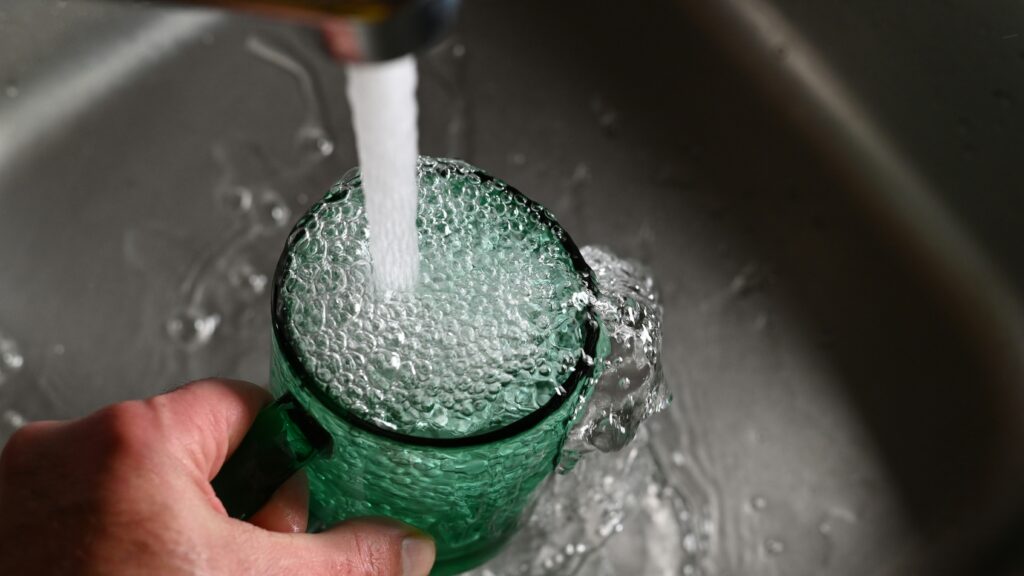
Over 2,200 private wells in New Jersey now exceed safe PFAS levels—that’s roughly 11% of wells tested statewide.
This could potentially affect over a million residents who rely on private wells for drinking water. PFAS, often called “forever chemicals,” have been linked to cancer, immune system problems, and hormonal disruption.
The really scary part? Families could be exposed without even knowing it.
What PFAS Are and Why They Matter
PFAS—or per- and polyfluoroalkyl substances—are synthetic chemicals used in industrial processes, firefighting foams, and household products such as nonstick cookware. Unlike other contaminants, PFAS do not break down naturally and can persist in water, soil, and the human body for decades. Combined with documented health risks, the persistence of PFAS has made them a major concern for New Jersey residents and regulators alike.
View an PFAS interactive map here
NJ Versus Federal Standards
Compared to the federal standard, New Jersey has set its own maximum containment levels for several PFAS compounds:
- PFOA at 14 parts per trillion
- PFOS at 13 ppt
- PFNA at 13 ppt.
By comparison, the U.S. Environmental Protection Agency has stricter guidelines. The federal standard sits at 4 ppt for both PFOA and PFOS, which water systems across the nation will be expected to meet in coming years. Many New Jersey wells currently exceed these limits—exposing massive risk for private well owners and small water systems.
New Jersey has pursued some of the most aggressive PFAS regulations and legal actions in the country.
A historic $2 billion settlement with DuPont and other related companies is funding cleanup and water treatment efforts across multiple contaminated sites. Additionally, a $450 million settlement with 3M is allocated for remediation and compensation to affected residents. State officials and NJDEP experts continue to meet to plan long-term monitoring, water treatment strategies, and regulations enforcement. The measures aim to reduce PFAS exposure across the Garden State.
Emerging Treatment Technology
Innovative water treatment systems are beginning to tackle PFAS contamination more effectively.
Pilot programs, including BioLargo’s AEC system, have demonstrated the ability to remove both long-chain and short-chain PFAS from municipal water supplies. This new technology is helping communities reduce contamination and improve water quality in areas historically affected by PFAS pollution.
What Residents Can Do
Private well owners should test their water regularly through NJ-certified laboratories. Additionally, staying updated with NJDEP alerts and reports is important for maintaining water safety.
If contamination is detected, certified filtration systems can reduce PFAS, providing temporary protection for well water. Residents using public water systems should review annual water quality reports provided by NJDEP. There are local PFAS monitoring and treatment programs for residents to use.
It is important to stay informed on the latest in local water quality—PFAS remains a persistent environmental and public health concern.
Why It Matters
PFAS contamination in New Jersey is widespread and persistent.
Despite ongoing settlements, cleanup programs, and the emergence of new treatment technologies, many residents still face risk of exposure. Residents are urged to stay informed, test their water, and take precautionary measures to assure safe drinking water for their families.

The New Jersey Digest is a new jersey magazine that has chronicled daily life in the Garden State for over 10 years.
