

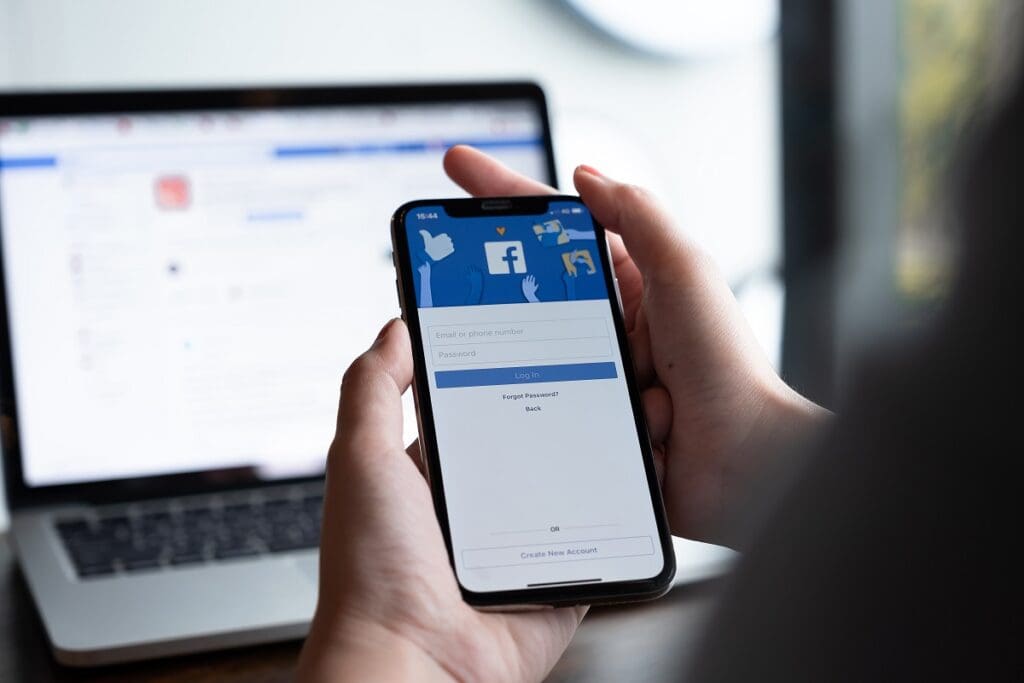

If you have been getting those weird “is this you” login pings at random hours, you are not imagining it. A lot of people in New Jersey are dealing with the same thing. Friends getting locked out of their own accounts. Folks waking up to messages they swear they never sent. It feels like every other day someone is asking how to get back into Facebook after a stranger took over their profile.
The numbers behind it are rough. About three hundred thousand Facebook accounts are cracked into every single day. And scammers walked away with more than a billion dollars from Americans last year through social media schemes alone. It is happening so often now that people joke about it, but for the person it hits, there is nothing funny about losing control of your page.
Usually when it happens, you click through endless forms and automated chatbots. There is never a real person on the other end. And you wait. And wait. Most times the account stays gone for good.
New Jersey lawmakers are trying to force the big platforms to pick up the phone.
A bill moving through Trenton would require companies like Meta and the rest to offer a free, always-open hotline where someone in the state can actually speak to a real human to report a hacked account or anything shady happening on their page. No more sending people into a maze of help pages.
The measure already cleared the Assembly earlier this year, and this week it got the green light from the Senate Commerce Committee. Lawmakers called it a simple ask. If banks have to help their customers when something suspicious happens, social media companies should have to do the same thing.
The bill states: “A social media company shall make available to New Jersey account holders a 24-hour toll-free telephone number by which an account holder may contact a live customer service representative of the social media company to report fraudulent activity on a New Jersey account holder’s social media account, including, but not limited to, unauthorized access.”
Some Republicans said they do not understand why the idea is not unanimous. Sen. Jon Bramnick put it bluntly and basically asked why any platform would be against helping people stop a hack before it spirals. Under the bill, if a company ignores the rule, they could be fined under the state Consumer Fraud Act. Fines start at ten thousand dollars and jump to twenty thousand for a second offense. The attorney general could also step in with a cease and desist order.
If the hotline becomes real, the number would need to be listed in emails sent to New Jersey users and somewhere obvious inside the app or site. Right now there are a few independent hotlines floating around online, but nothing from the companies themselves.
Supporters say it is needed because the way people use the internet now makes it easy for scammers. Fake verification messages, phishing links that look legit, reused passwords, shady apps that ask for way too many permissions. Once someone slips inside, they use your name to hit your friends next.
A longtime Reddit contributor who follows online security broke it down in a way that stuck with a lot of people: “To perhaps drive it home a different way, we can be our own worst enemies when it comes to online security,” says Trusted Reddit Contributor dogwomble The problem with passwords is that people reuse the same one everywhere because it’s easy to remember and is convenient for us. As you’ve learnt, you’ve now just made it convenient for someone else to take over potentially our entire digital lives.”
A study from Google found that about sixty-five percent of people admit to using the same password on multiple accounts. With nearly five billion people worldwide on some form of social media, the math is not in anyone’s favor.
And this is not a new problem. A few years ago, information tied to more than five hundred million Facebook users leaked out, including phone numbers and account IDs. It sort of set the tone for what we are dealing with now.
The truth is, it’s folks who are less social media savvy that often fall victim to these scams and hack attempts, and that’s precisely why it may be time to hold each platform accountable.
The hope is that a real person picking up a phone could help someone shut down a bad situation before it spreads. Right now, most people in New Jersey just screenshot the warning messages, cross their fingers, and hope the hacker didn’t get too far.
If the bill survives the last stretch in Trenton, residents could finally have someone who actually answers when their account starts acting strange. Until then, those “unrecognized login” alerts keep rolling in.

The New Jersey Digest is a new jersey magazine that has chronicled daily life in the Garden State for over 10 years.