


A New Jersey healthcare executive who orchestrated a $212 million fraud scheme has been sentenced to five years in federal prison. The operation included cooking books, fabricating customers, and falsifying bank records to inflate his company’s value beyond $300 million.
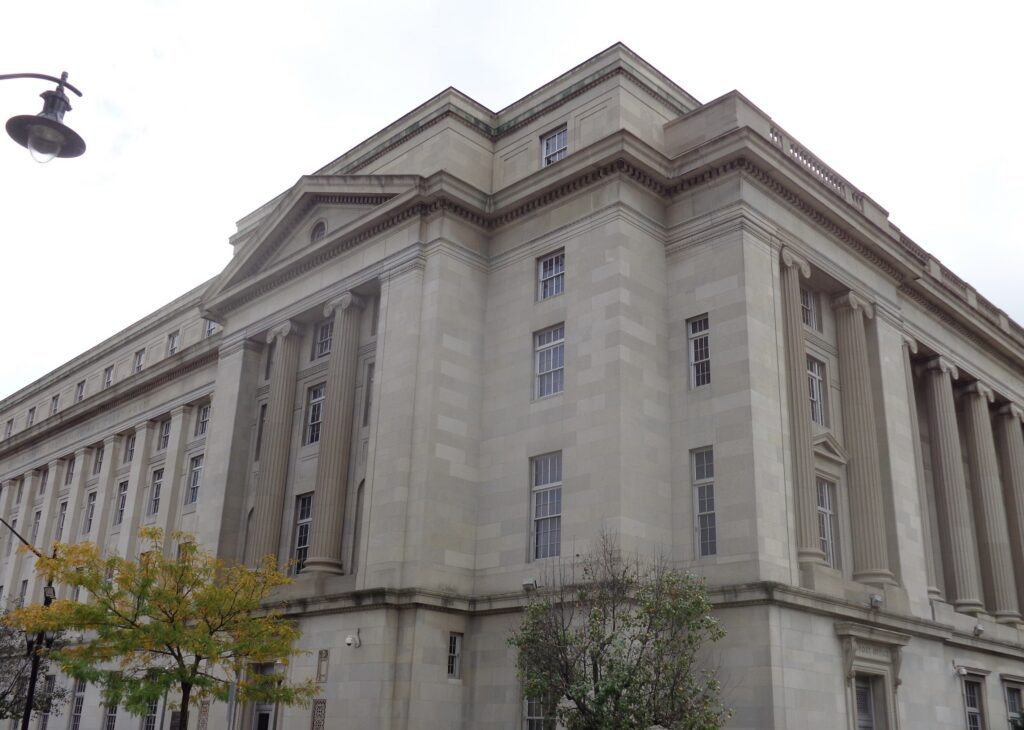
55-year-old Parmjit “Paul” Parmar of Colts Neck was sentenced on May 5 before U.S. District Judge Madeline Cox Arleo in Newark federal court. In addition to his five-year prison term, Parmar was ordered to pay more than $125 million in restitution to victims and will serve three years of supervised release upon completion of his sentence. He had pleaded guilty in May 2025 to conspiracy to commit securities fraud, per the U.S. Department of Justice.
The scheme ran for more than two years from May 2015 through September 2017. Parmar and his co-conspirators—CFO Sotirios “Sam” Zaharis and company secretary Ravi Chivukula—were attempting to take a publicly traded healthcare company private, listed on the London Stock Exchange’s Alternative Investment Market.
To fund the transaction, they needed outside funds, which they got in the form of $82.5 million from a private investment firm, plus another $130 million from a consortium of financial institutions. A total of $212.5 million.
The problem: the company wasn’t worth anywhere near the dollar figure they claimed. Prosecutors say a number of the company’s supposed subsidiaries either didn’t exist or generated only a fraction of the revenue attributed to them. Parmar and his co-conspirators fabricated bank records, invented customers, and funneled proceeds through accounts they controlled—using the money for purposes entirely unrelated to the stated acquisitions.
The scheme unraveled in September 2017 when Parmar and his co-conspirators resigned or were terminated. The company filed for bankruptcy in March 2018, attributing its collapse directly to the fraud. Parmar was charged two months later.
The case remains open. Zaharis and Chivukula have been considered fugitives since charges were filed in 2018. They remain at large.
The New Jersey Digest is a new jersey magazine that has chronicled daily life in the Garden State for over 10 years.