

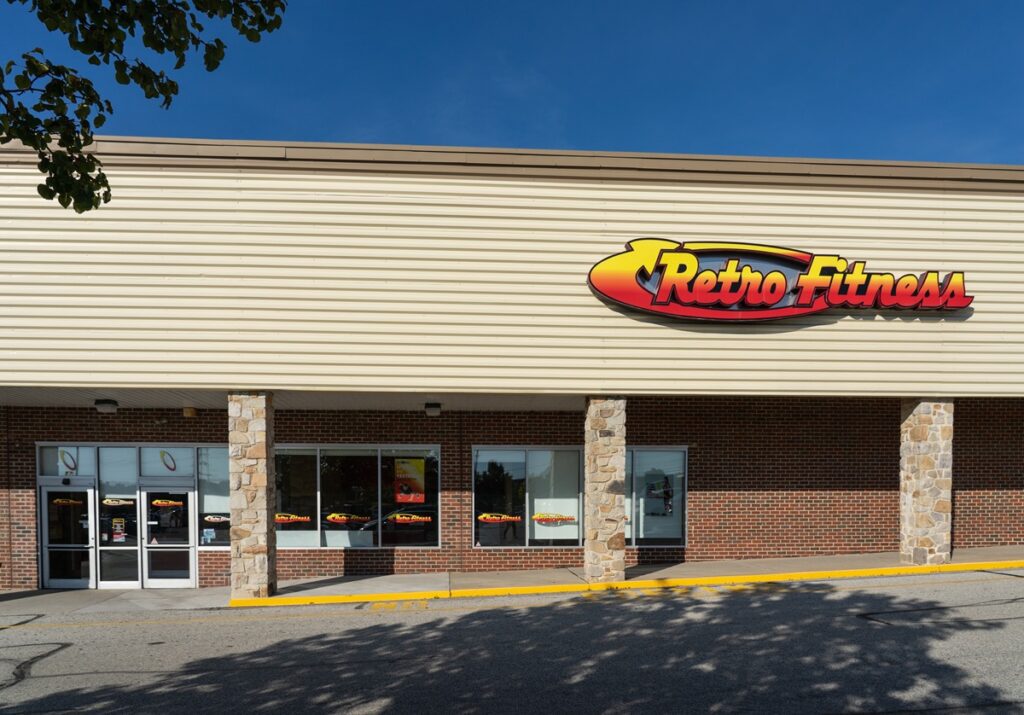
It started the way a lot of gym memberships do: a friendly voice on the phone, a promise of a low monthly rate, and the sense that you were finally doing something good for yourself.
When Shaun Morrell signed up for Retro Fitness in East Windsor, New Jersey, he says the deal sounded straightforward. One year. A flat monthly price. No surprises. He didn’t sit down at a desk. He didn’t flip through a contract. Everything, he recalls, was handled verbally.
The surprises came later, quietly, line by line on his bank statement.
Within months of joining, Morrell noticed extra charges that hadn’t been mentioned during his signup call. Among them was something called an “annual rate guarantee fee,” a charge that, on its face, appeared to protect him from price increases. In practice, he says, it did the opposite—raising the cost of a membership that was advertised as fixed.
That fee, and others like it, are now back under judicial scrutiny.
A New Jersey appeals court has ruled that a trial judge improperly dismissed Morrell’s proposed class action lawsuit against Retro Fitness and a web of related companies and executives. The appellate panel didn’t weigh in on whether the fees were lawful. Instead, it focused on something more basic: the trial court never fully explained why the case was thrown out in the first place.
So the lawsuit is alive again.
Morrell filed his complaint in late 2020, arguing that Retro Fitness failed to clearly disclose charges that pushed monthly dues beyond the advertised rate. He alleges he was told his membership would cost $19.99 a month, only to later learn that enrollment fees, processing fees, and annual charges were baked into the agreement.
According to court filings, Morrell paid close to $75 on the day he joined. Less than three months later, an annual fee appeared. He claims he wasn’t warned about it, didn’t consent to it, and didn’t understand why he was being charged to “guarantee” a price that had already been promised for the year.
The lawsuit doesn’t just target the gym itself. It names Retro Fitness’s corporate franchisor, the billing company that handled member payments, the local franchise operating the East Windsor location, and several individuals connected to the business.
At its core, the case asks a familiar question in modern consumer life: when does a low advertised price stop being honest?
Gym contracts have long been a source of friction, especially when fees are disclosed after the fact or buried in dense paperwork. Morrell’s case adds another wrinkle—he says he didn’t even see the contract until after he had already paid.
Last year, a judge dismissed the lawsuit outright, citing a similar class action involving Retro Fitness that had been litigated years earlier. The judge also suggested the claims were filed too late. But the written explanation was brief—just a few sentences—and left out key details, including when Morrell’s legal claims supposedly expired or how the earlier case legally blocked him from suing.
That omission mattered.
In its decision, the appeals court stressed that judges are required to spell out their reasoning, especially when dismissing a case with prejudice, which permanently shuts the courthouse door. Without that explanation, the panel said, there’s no way to meaningfully review the decision.
The result: the dismissal was wiped away, and the case was sent back to the trial court for a proper analysis.
For consumers, the ruling doesn’t mean Retro Fitness did anything wrong. Not yet. What it does mean is that the questions raised by Morrell’s lawsuit haven’t been answered.
And those questions extend far beyond one gym in central New Jersey.
Hidden or poorly explained fees have become a defining feature of everyday commerce—from airlines and ticketing platforms to streaming services and fitness clubs. The price you’re shown is often not the price you pay. Regulators write laws to close that gap. Companies find new ways to widen it.
Whether Retro Fitness crossed a legal line will now depend on what the trial court finds when it takes another look. For now, the appellate ruling sends a simpler message: courts need to explain themselves before telling consumers they’re out of options.

The New Jersey Digest is a new jersey magazine that has chronicled daily life in the Garden State for over 10 years.
