

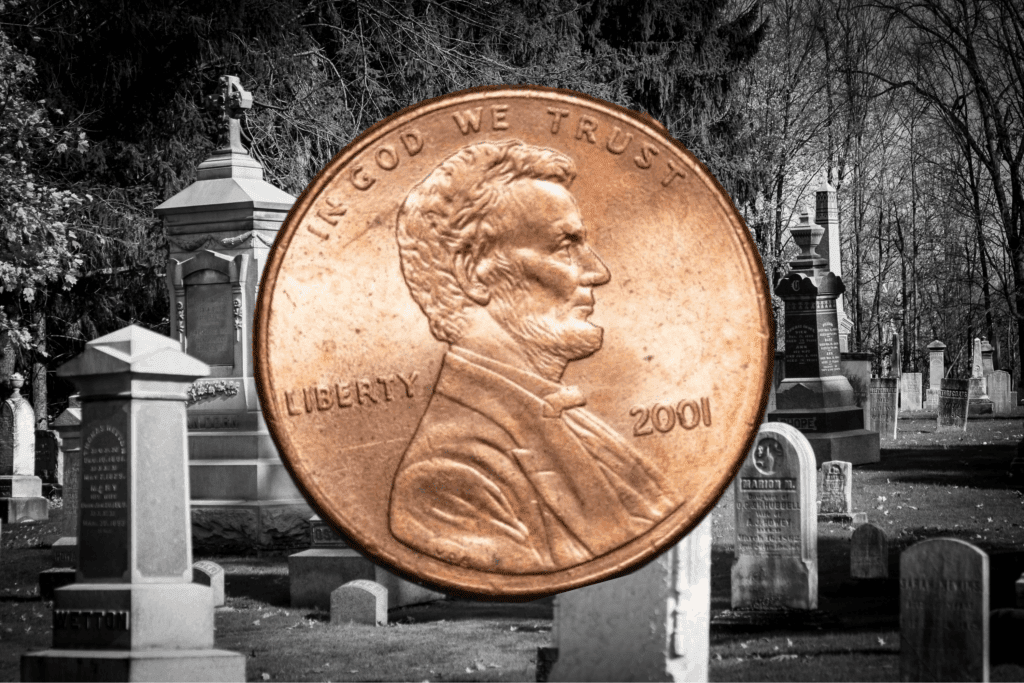

The penny is officially dead. The humble—borderline useless—one-cent coin that cost more to make than it was worth has been taken out of production.
On Wednesday, the U.S. Mint struck the final penny in Philadelphia, bringing 232 years of coin production to an end. Born in 1793 under the Coinage Act authored by Alexander Hamilton, the penny had long outlived its usefulness. Its copper-coated form, once a symbol of frugality, had become a financial liability as copper prices rose. By the end of its life, producing a single penny cost nearly four times its value.
Top Treasury officials were present for the final strike. There were no speeches or ceremonies beyond the routine marking of history. The last penny left the press quietly, joining hundreds of billions still circulating across the country. For now, cash transactions will continue, but businesses will round prices to the nearest five cents as the coins slowly vanish from pockets, wallets and purses. Truthfully, they disappeared from most people’s belongings long ago.
Over the centuries, the penny wore many faces. Lady Liberty appeared at its birth while Abraham Lincoln adorned the front for more than a century. The reverse saw everything from wheat stalks to the Lincoln Memorial to a Union shield. Its composition changed too—from pure copper to steel during World War II and finally to mostly zinc with a thin copper coating.
Still, the penny left a cultural mark. A dropped penny was said to bring luck for 24 hours and schoolchildren often learned lessons about value through it. The coin appeared in math problems, collections and countless idioms about thrift.
Yet in practical terms, the penny had become irrelevant. Nothing could be bought with a single cent and its production costs made it a target for fiscal reform.
President Trump signed the directive to end penny production earlier this year, citing wasteful spending. Lawmakers from both parties supported the move, noting annual savings of more than $50 million in raw materials. The penny now joins other obsolete coins—the half cent, retired in 1857 and the Canadian penny, retired in 2012—in the history books.
Despite its death, the penny’s memory lingers. Around 300 billion remain in circulation. For now, they’ll sit in jars, trays and piggy banks—or turn up on sidewalks and under car seats. Every penny you find from here on out is a relic of a bygone era.
Its passing is quiet, practical and final. May the penny rest in eternal peace.

The New Jersey Digest is a new jersey magazine that has chronicled daily life in the Garden State for over 10 years.