

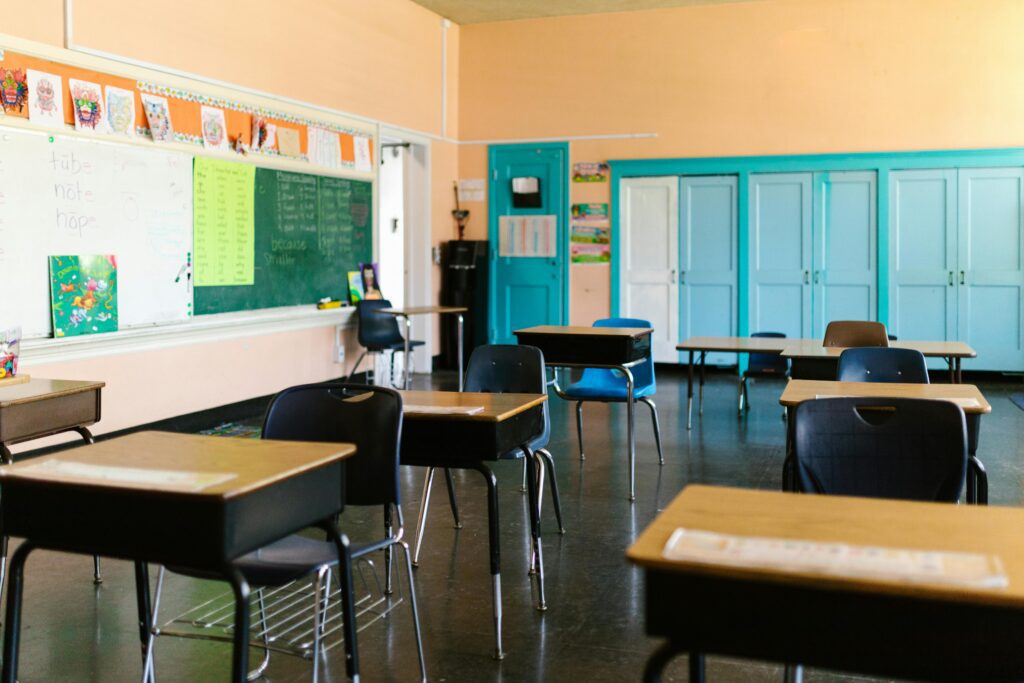

West Orange Public Schools is facing one of the most significant budget shortfalls in recent memory. The decisions being made to address it will directly affect thousands of students, families, and taxpayers in the district.
Heading into the 2026-2027 school year, the district is projecting a deficit of up to $15 million. To close the gap, administrators have proposed eliminating a minimum of 70 full-time positions, consolidating courses, increasing class sizes, and restructuring parts of the middle school schedule.
A 2.5% property tax increase is also on the table, adding roughly $294 annually to the average homeowner’s tax bill.
The hard part? Even with all of that factored in, the budget still isn’t balanced.
What’s Driving the Shortfall
Rising costs remain central to the crisis.
Health benefits alone are expected to climb nearly 18% in the coming year—a figure that has strained school budgets across the state. West Orange also recently lost temporary federal COVID-19 relief funding that had helped offset expenses in recent years, removing a financial cushion the district had grown to rely on.
State aid is increasing: West Orange is set to receive approximately $34.5 million in state funding next year, up about $1.9 million from the prior year. Still, administrators say the increase falls well short of what’s needed to keep pace with rising costs.
West Orange Public Schools serves more than 7,100 students across 13 schools. A final budget vote is scheduled for May 4.
A Statewide Crisis in the Making
West Orange’s situation isn’t an outlier.
School districts across New Jersey are navigating similar pressures—layoffs, tax increases, and in some cases, potential school closures.
In December, Montclair Public Schools announced more than 100 job losses as the district worked to close a nearly $20 million budget gap. The district eliminated curriculum support roles, counseling services, and more as a result. Healthcare cost increases have hit some districts even harder than West Orange, leaving administrators with fewer options.
Part of the problem traces back to a 2018 revision of New Jersey’s school funding formula, which shifted state aid toward historically underfunded districts. While the intent was to address inequity, some districts that lost funding have spent years struggling to make up the difference. At the same time, state law caps annual property tax increases at 2% and limits year-over-year state aid growth, leaving districts with limited tools to respond when costs spike unexpectedly.
More than half of New Jersey school districts are currently spending at least $500,000 below what the state considers adequate funding, according to the New Jersey School Boards Association.
West Orange is scrambling to address a massive deficit, revealing a problem that runs much deeper than just one district.

The New Jersey Digest is a new jersey magazine that has chronicled daily life in the Garden State for over 10 years.