

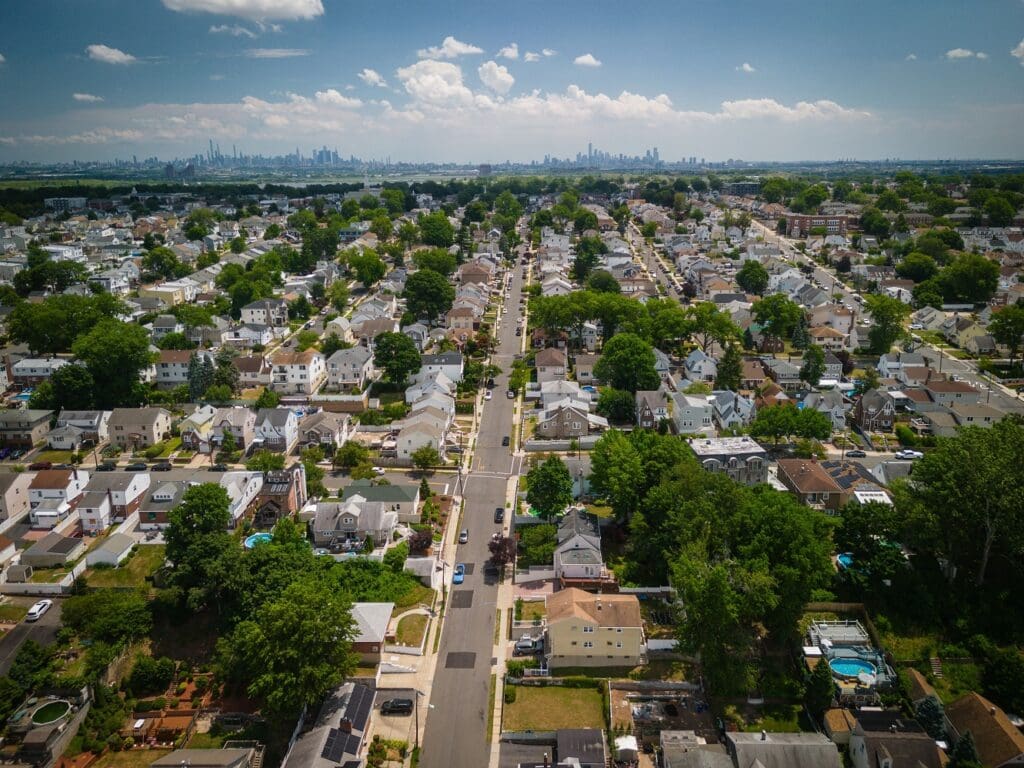

New Jersey has long carried the reputation of being one of the most expensive places to live in the United States — and recent data confirms that the Garden State still tops the list. From sky-high property taxes to rising housing prices, the cost of living here continues to climb well above the national average. But just how much does it cost to live comfortably in New Jersey, and why are everyday expenses so steep?
New Jersey’s Cost of Living Compared to the U.S.
According to multiple analyses, New Jersey is roughly 17-20 percent more expensive than the national average. That makes it one of the priciest states in the country, even when compared to coastal neighbors like New York and Massachusetts.
- Single adults may need to earn around $109,000 per year to live comfortably.
- Families of four could require more than $282,000 annually to cover housing, food, transportation, health care, and other essentials.
These figures highlight how dramatically everyday costs stack up against wages, even with New Jersey’s strong job market and low unemployment rate of 3.4 percent.
Housing: The Biggest Expense
It’s no surprise that housing is the biggest driver of New Jersey’s high cost of living.
- Median home prices statewide reached $565,000 in early 2025, a 13 percent increase from last year.
- Prices vary widely by location. Cities like Trenton and Atlantic City still offer homes under $300,000, while in-demand areas near New York City often soar well above the state median.
- For renters, costs also range dramatically:
- Trenton: $1,600/month
- Newark: $1,400/month
- Hoboken: around $4,000/month
- Montlcair: $2,850/month
Property Taxes: The Highest in the Nation
Property taxes are another heavy burden for homeowners. New Jersey’s average property tax rate stands at 2.4 percent, more than double the U.S. average and one of the highest in the nation. This makes annual tax bills one of the largest recurring expenses for property owners.
Utilities and Energy Costs
Utility costs in New Jersey remain above average, adding to household expenses:
- Electricity: Average monthly bill about $109.54 (which may not be accurate given the latest electric bill costs)
- Water: around $65 per month
- Wastewater: about $68 per month
Rates have climbed steadily, with a noticeable increase in June 2025. To help offset rising bills, the state approved a $100 residential electricity credit in August 2025.
Food and Groceries
Food is another area where New Jerseyans pay a premium. Grocery prices exceed the national median, accounting for a larger share of household budgets. Dining out also reflects the state’s higher-than-average costs, especially in popular dining destinations like Hoboken, Montclair, and Princeton.
Transportation: A Bright Spot
One area where New Jersey residents catch a break is transportation. Gas prices typically fall below the national average, and the state’s extensive public transit system provides options for commuters looking to avoid the cost of owning a car. Access to New York City and Philadelphia also makes the state attractive for workers who want to balance career opportunities with suburban or smaller-city living.
New Jersey Is Still More Expensive
Living in New Jersey comes with a high price tag on average, 20 percent higher than the U.S. standard, but for many, the trade-offs are worth it. With rising home values, a strong job market, and access to world-class cities, the Garden State continues to attract people willing to pay a premium for its unique blend of suburban, urban, and coastal lifestyles.

The New Jersey Digest is a new jersey magazine that has chronicled daily life in the Garden State for over 10 years.