

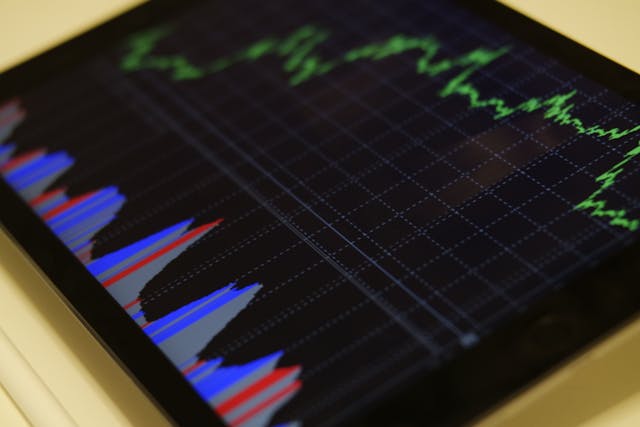

Remember when only Wall Street pros had access to fancy trading charts and stock screeners?
Today, you can now fire up your laptop and use similar analytical tools that institutional traders rely on, and it’s often for free.
DIY market analysis tools are software platforms that let you research stocks, analyze trends, and monitor your portfolio without paying a financial advisor. We’re talking about charting platforms, screeners, and apps that put market data at your fingertips.
Retail investors are flocking to these tools in record numbers. But is this a lasting shift in how people invest, or just a tech-fueled phase?
Why DIY Analysis Tools are Gaining Traction Among Retail Investors
Market analysis used to be an exclusive club. Now, it’s accessible to anyone with internet access. You don’t need a finance degree or institutional backing to chart price patterns or screen for opportunities anymore.
The pandemic turned millions of people into active traders. You were stuck at home with extra time and stimulus checks. Suddenly, investing didn’t seem so intimidating when thousands of YouTube creators were breaking down complex strategies into 10-minute videos.
The pandemic also taught you how quickly income can disappear. Layoffs, furloughs, and business closures made financial security feel fragile. When money becomes harder to earn, you start treating every dollar more carefully.
So why pay 1-2% in annual advisory fees when you can do the research yourself? Those percentages might sound small, but they compound over decades.
By going DIY, you’re simply keeping more of your returns.
The Technology Ecosystem Enabling DIY Market Analysis
Technological infrastructure and platform innovation have made advanced analytical capabilities accessible to individual investors.
Free and Low-Cost Analytical Platforms
You can access institutional-grade charting tools without spending a dime. TradingView offers advanced technical analysis for free. Yahoo Finance provides real-time quotes and screening capabilities at no cost. Your brokerage probably includes built-in tools that would’ve cost thousands just 15 years ago.
Educational Content and Community Resources
YouTube has thousands of channels teaching everything from basic candlestick patterns to advanced algorithmic strategies. Reddit’s r/stocks and similar communities let you validate ideas with other investors in real-time.
Even better, you don’t need programming skills to build custom indicators or test trading systems anymore. Platforms offer drag-and-drop strategy builders that let you implement quantitative approaches without writing a single line of code.
For swing trading strategies, a quality swing trade stock screener can help you identify momentum shifts and multi-day price patterns that align with your time horizon.
Advantages of DIY Market Analysis Tools
When you do your research and build your own tools, you’re gaining what professional traders call the “Information Edge,” which is the ability to act on insights immediately.
- Real-Time Agility: You can spot an opportunity and execute within seconds. No waiting for your advisor to return your call. No explaining your thesis to someone else.
- Customization & Precision: You can screen for exactly what matters to you. Want stocks with rising institutional ownership, improving profit margins, and technical breakouts? Build that filter in minutes.
- Visualizing Complexity: Customize your tool with charts. Your brain processes visual information a lot faster than text, making complex market dynamics suddenly comprehensible.
Every analysis you perform builds your market understanding. By developing your own DIY market analysis tool, you’re building a skill that compounds over your lifetime.
What are the Limitations and Risks of DIY Market Analysis?
Tools give you the capability. But they don’t automatically give you competence. These tools do not protect you against analytical errors.
The Dunning-Kruger Effect and Overconfidence Bias
Say you’re watching a few YouTube tutorials and suddenly think you’ve cracked the market code. This is one of the biggest traps in DIY investing.
The less you actually know, the more confident you tend to feel. You might nail a couple of trades using a new screener and convince yourself you’re a trading prodigy. But early success often comes from luck, not skill.
Data Interpretation Without Professional Context
You see a stock trading at a low price-to-earnings ratio and think it’s undervalued. But do you know why it’s cheap?
Maybe the company just lost a major client. Maybe there’s an ongoing lawsuit. Maybe the entire industry is facing regulatory changes. Your screener shows you numbers, but it doesn’t explain the story behind them.
Professional analysts spend hours researching company filings, industry trends, and competitive dynamics. That’s something your DIY tool cannot give you.
Tool Complexity That Creates False Precision
You load your chart with 10 indicators, including moving averages, RSI, MACD, Bollinger Bands, and volume oscillators. It looks impressive and scientific. But are all those lines actually helping you make better decisions?
Often, complexity just creates confusion. Sometimes, a simple approach works better than a cluttered dashboard that gives you analysis paralysis.
The Time Investment Required for Genuine Competence
You can’t become a skilled analyst by spending 30 minutes a week with a stock screener. Real competence takes years of consistent practice, study, and, most importantly, learning from your mistakes.
You need to understand market cycles, recognize pattern failures, develop risk management discipline, and build emotional control. That doesn’t happen quickly.
Most people underestimate how much time it takes to move from beginner to genuinely skilled. You’re competing against professionals who spend 60+ hours per week analyzing markets.
DIY tools level the playing field somewhat, but they can’t replace the experience and pattern recognition that comes from years of dedicated work.
Final Thoughts
DIY market analysis tools are surging because technology made them accessible, economics made them attractive, and culture made them acceptable. You’re living through a genuine democratization of financial capability.
However, having a scalpel doesn’t automatically make you a surgeon. These tools provide access to professional-grade analytics, but they don’t close the expertise gap between casual users and full-time analysts.
Approach DIY analysis as a long-term learning journey. Educate yourself continuously. Be brutally honest about your skill level. Downloading a charting platform is easy. But, using it effectively takes years of study and practice.
Your success depends on respecting the learning curve rather than assuming that technology alone will make you profitable.
So start small and stay curious. The best investors never stop learning.

The New Jersey Digest is a new jersey magazine that has chronicled daily life in the Garden State for over 10 years.